
In our fast-paced world, stress has become an almost inevitable part of our daily lives. Whether it’s the pressure of deadlines at work, personal relationships, or the constant barrage of information, stress can manifest in various ways and take a toll on our physical and mental well-being. While there are numerous strategies to cope with stress, one often overlooked yet powerful tool is right at our fingertips – water.
Water is not just essential for our survival; it plays a crucial role in maintaining our overall health and well-being. From aiding digestion to regulating body temperature, every cell, tissue, and organ in our body relies on water to function properly. However, its impact on stress management is often underestimated.
“Pure water is the world’s first and foremost medicine.” – unknown
When we’re stressed, our bodies undergo physiological changes, triggering the release of stress hormones like cortisol and adrenaline. These hormones prepare us for the “fight or flight” response, which can lead to increased heart rate, shallow breathing, and heightened tension in muscles. Here’s where hydration comes into play.
Proper hydration is essential for optimal brain function and mood regulation. Studies have shown that even mild dehydration can impair cognitive function, memory, and attention, making it harder to cope with stressors effectively. Dehydration can exacerbate feelings of fatigue and irritability, further amplifying the negative effects of stress on our mental health.
So How Much Water?
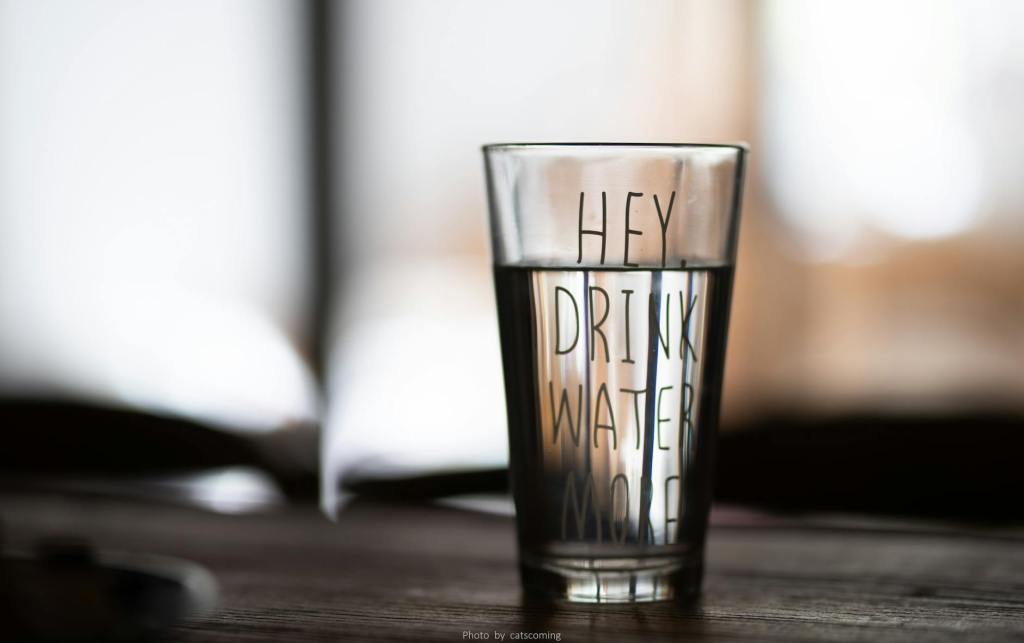
So, how much water should you drink to stay adequately hydrated and support stress management? While individual needs vary based on factors like age, weight, activity level, and climate, a general guideline is to aim for around 8 glasses of water per day, which is roughly 2 liters or at least half of your body weight in pounds. For example, if a women weighs 120lbs, she would need to get at least 60oz of water daily. However, this can vary, and some people may need more or less depending on their circumstances.
Watch for Pitfalls
One common mistake many of us make is relying on caffeinated beverages like coffee or energy drinks to keep us alert and focused, especially during stressful times. While caffeine can provide a temporary energy boost, it can also contribute to dehydration due to its diuretic effects. Moreover, excessive caffeine consumption can disrupt sleep patterns and exacerbate feelings of anxiety and agitation. My rule of thumb is that I do not drink coffee past noon. This was a big change for me, however, I noticed that I was less fatigued in the afternoon and slept better at night by making that change.
Instead of reaching for that extra cup of coffee, consider swapping it out for a refreshing glass of water or herbal tea. Not only will it help keep you hydrated, but it can also promote a sense of calm and clarity, making it easier to tackle challenges with a clear mind.
In addition to plain water, incorporating hydrating foods like fruits and vegetables into your diet can also contribute to your overall fluid intake. Foods with high water content, such as cucumbers, watermelon, and oranges, can help you stay hydrated while providing essential vitamins, minerals, and antioxidants that support stress resilience.
So what can you do to incorporate more water into your day? Here are some helpful tips:
- Set Reminders: With the hustle and bustle of daily life, it’s easy to forget to drink water regularly. Set reminders on your phone or use apps designed to track water intake. Establishing a routine can help make hydration a habit.
- Carry a Reusable Water Bottle: Invest in a durable, reusable water bottle and take it with you wherever you go. Having water readily available makes it more likely that you’ll sip on it throughout the day. Keep it visible on your desk or in your bag as a constant reminder to hydrate. I also find using a consistent water bottle takes the stress off of tracking how much I am drinking throughout the day (thank you, Stanley cup!).
- Flavor Infusions: If plain water doesn’t entice you, consider infusing it with natural flavors like lemon, cucumber, mint, or berries. Not only does this add a refreshing twist to your hydration routine, but it also encourages you to drink more water without added sugars or calories. I love the True Lemon Brand flavoring for their great taste and non-use of artificial sweeteners, flavors, GMOs, or preservatives.
- Track Your Intake: Keep track of your water consumption using a journal, smartphone app, or even a simple tally system. Seeing your progress visually can motivate you to reach your hydration goals and adjust your intake as needed.
- Associate Water with Daily Activities: Linking water consumption with daily activities can help you remember to drink throughout the day. For example, drink a glass of water first thing in the morning, before each meal, or after completing a task at work. By integrating water breaks into your routine, you’ll ensure consistent hydration throughout the day.
Prioritizing adequate water intake is a simple yet powerful strategy for managing stress effectively. By staying hydrated, you’re not only supporting your physical health but also equipping yourself with the mental clarity and resilience needed to navigate life’s inevitable challenges. So, the next time you feel the weight of stress bearing down on you, reach for a glass of water and hydrate your way to a calmer, more balanced state of mind. Your body and mind will thank you for it.

Written By: Roxanne Oliver, DNP, APRN, FNP-BC
Published: 04/15/2024
*The information contained in this post is for information only. It does not replace routine follow-up and/or care with a certified and licensed medical provider.
References
- Armstrong, L. E., & Ganio, M. S. (2019). Relationship between water metabolism and exercise-induced dehydration: Hormonal and physiological markers. Journal of Athletic Training, 54(7), 785–791. https://doi.org/10.4085/1062-6050-54.7.08
- Benton, D. (2011). Dehydration influences mood and cognition: A plausible hypothesis? Nutrients, 3(5), 555–573. https://doi.org/10.3390/nu3050555
- Grandjean, A. C., & Grandjean, N. R. (2007). Dehydration and cognitive performance. Journal of the American College of Nutrition, 26(5), 549S–554S. https://doi.org/10.1080/07315724.2007.10719650
- Kenney, W. L., & Chiu, P. (2001). Influence of age on thirst and fluid intake. Medicine and Science in Sports and Exercise, 33(9), 1524–1532. https://doi.org/10.1097/00005768-200109000-00015
- Maughan, R. J., & Murray, R. (2019). Hydration and health: A review. Nutrition Bulletin, 44(3), 277–304. https://doi.org/10.1111/nbu.12305
- Popkin, B. M., D’Anci, K. E., & Rosenberg, I. H. (2010). Water, hydration, and health. Nutrition Reviews, 68(8), 439–458. https://doi.org/10.1111/j.1753-4887.2010.00304.x
- Pross, N., Demazieres, A., Girard, N., Barnouin, R., Metzger, D., Klein, A., & Perrier, E. (2014). Influence of progressive fluid restriction on mood and physiological markers of dehydration in women. British Journal of Nutrition, 111(2), 313–321. https://doi.org/10.1017/S0007114513002354
- Shirreffs, S. M. (2003). Markers of hydration status. European Journal of Clinical Nutrition, 57(Suppl 2), S6–S9. https://doi.org/10.1038/sj.ejcn.1601905
- Stachenfeld, N. S. (2008). Acute effects of sodium ingestion on thirst and cardiovascular function. Current Sports Medicine Reports, 7(4 Suppl), S7–S13. https://doi.org/10.1249/JSR.0b013e31817f19d7
- Szinnai, G., Schachinger, H., Arnaud, M. J., Linder, L., & Keller, U. (2005). Effect of water deprivation on cognitive-motor performance in healthy men and women. The American Journal of Physiology-Regulatory, Integrative and Comparative Physiology, 289(1), R275–R280. https://doi.org/10.1152/ajpregu.00765.2004
 Roxy Functional Wellness
One thought on “Hydrate to Liberate: The Role of Water Intake in Stress Management”