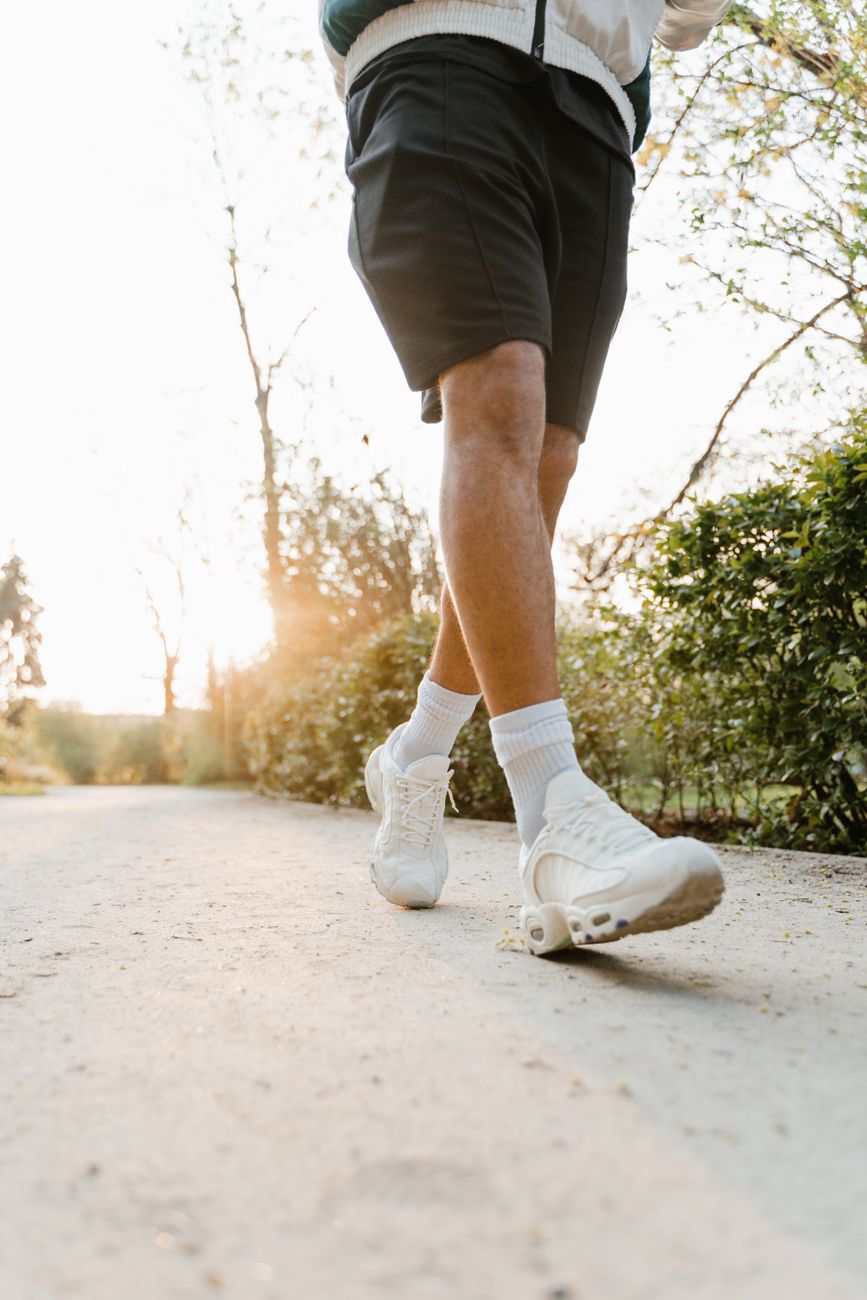
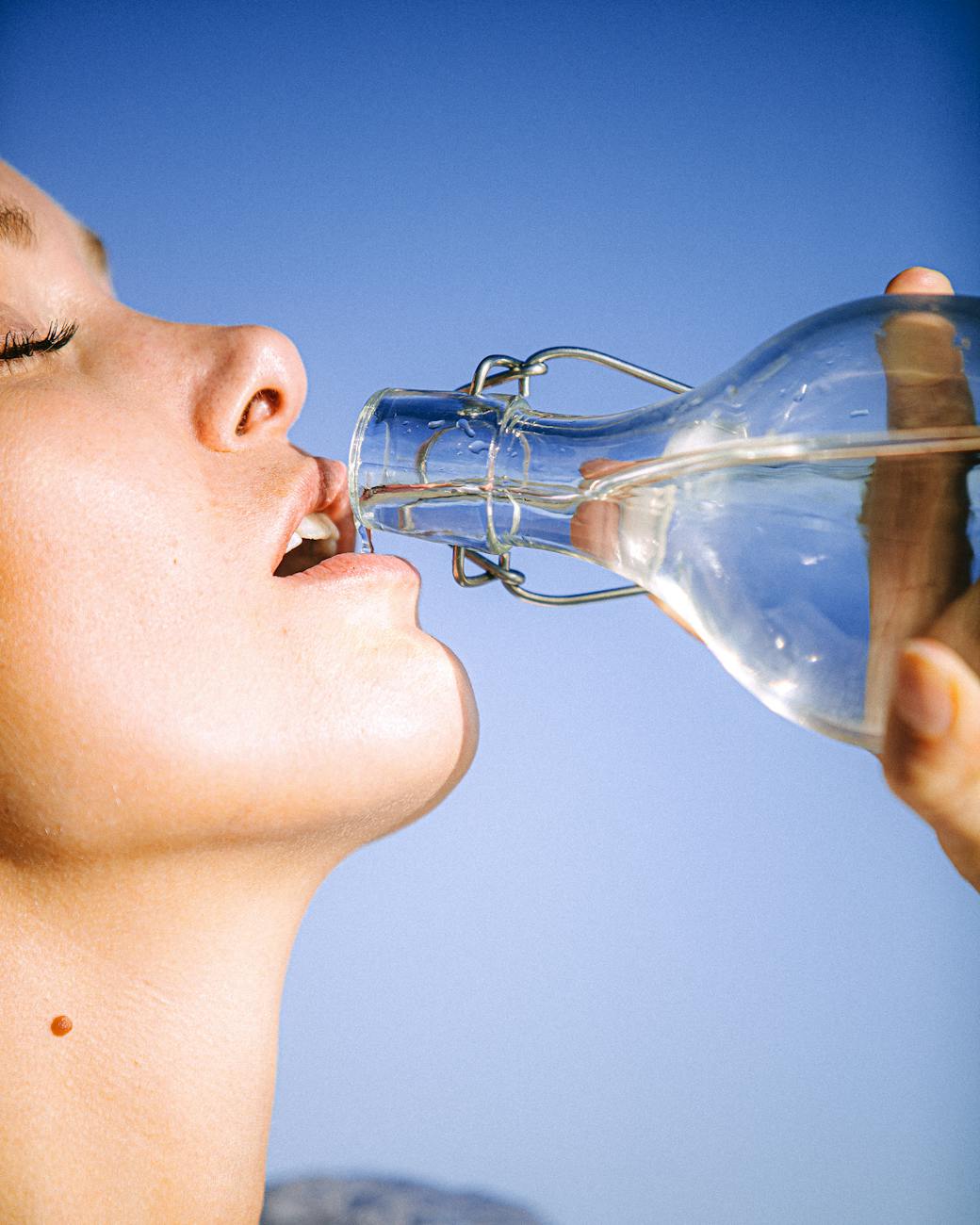
In the hustle and bustle of modern life, stress has become an almost constant companion for many of us (I can definitely attest to this at times!). From work deadlines to personal responsibilities, the pressures of daily life can take a toll on our mental and physical well-being. However, amidst the chaos, there exists a powerful tool that can help us navigate through stress and emerge stronger: exercise.
The relationship between exercise and stress management is profound and multifaceted. When we engage in physical activity, our bodies undergo a series of changes that not only benefit our physical health but also have a profound impact on our mental and emotional well-being. So, let’s get moving!
Balancing Stress Hormones:
One of the key mechanisms through which exercise helps manage stress is by balancing our stress hormone release. When we encounter stressful situations, our bodies release hormones like cortisol and adrenaline, which trigger the body’s “fight or flight” response. While this response is crucial for dealing with immediate threats, chronic stress can lead to an overproduction of these hormones, which can have detrimental effects on our health.
Regular exercise acts as a natural regulator of stress hormones. When we engage in physical activity, our bodies produce endorphins, often referred to as “feel-good” hormones, which help alleviate stress and promote a sense of well-being. Additionally, exercise helps reduce levels of cortisol in the body, effectively counteracting the negative effects of chronic stress.
The Pitfalls of Excessive Exercise:
While exercise is undoubtedly beneficial for stress management, it’s essential to strike a balance. Too much exercise or engaging in overly rigorous workouts can actually have the opposite effect and stress the body out further. I find this very true with females especially.
Overtraining can lead to a phenomenon known as “exercise-induced stress.” When we push our bodies beyond their limits without giving them adequate time to rest and recover, it can result in hormone imbalances, increased inflammation, and heightened feelings of fatigue and burnout. This can ultimately exacerbate stress levels rather than alleviate them. Not to mention, a person is more prone to physical injury when excessively exercising.
How Do You Know if You Are Over-Exercising?
Identifying whether you’re overexercising requires paying attention to both physical and psychological cues. Physical signs may include persistent fatigue despite adequate rest, prolonged soreness or pain in muscles and joints, increased frequency of injuries, and changes in appetite or weight. Psychologically, feelings of irritability, mood swings, difficulty concentrating, and decreased motivation towards exercise may indicate overexertion. Monitoring heart rate variability, sleep quality, and overall performance during workouts can also provide valuable insights. Listening to your body and giving it the rest and recovery it needs is key to preventing the negative consequences of overtraining. One quick way that to determine if you are too fatigued to exercise and need a break is to get through the first 5-minutes of a workout and evaluate yourself. If you feel too tired to go on and/or are in pain, then take a rest day.
Taking a Holistic Approach:
Taking a holistic approach to a weekly fitness routine involves integrating various types of exercise to promote overall health and well-being. Incorporating elements of cardiovascular exercise, such as running, cycling, or swimming, helps improve heart health and endurance while burning calories. Strength training exercises, including muscle-resistant exercises like weightlifting or bodyweight workouts, play a crucial role in building lean muscle mass, increasing metabolism, and enhancing bone density. Additionally, integrating flexibility and mobility exercises, such as yoga or stretching routines, helps improve joint range of motion, reduce the risk of injury, and promote relaxation. Balancing these different modalities throughout the week ensures a comprehensive approach to fitness that addresses both physical strength and flexibility, contributing to long-term health and vitality.
“Exercise is the most potent and underutilized antidepressant–and it’s free.” – Unknown
To harness the full potential of exercise for stress management, it’s essential to adopt a holistic approach that encompasses not just physical activity but also other aspects of self-care.
Mindfulness Practices: Incorporating mindfulness practices such as meditation, yoga, or tai chi alongside exercise can further enhance stress reduction. These practices help cultivate a sense of presence and awareness, allowing us to better cope with stressors as they arise. My go-to is a Slow Flow Vinyasa with a quick mediation at the finish with Savasana.
Balanced Nutrition: Fueling our bodies with nutrient-dense foods plays a crucial role in managing stress. A balanced diet rich in fruits, vegetables, whole grains, and lean proteins provides the necessary nutrients to support physical and mental well-being. More to come on the importance of nutrition!
Adequate Rest and Recovery: Just as important as exercise itself is giving our bodies ample time to rest and recover. Prioritizing quality sleep and incorporating rest days into our workout routines allows our bodies to repair and recharge, preventing burnout and promoting overall resilience.
Social Connection: Building and nurturing supportive relationships can significantly impact our ability to manage stress. Whether it’s through group exercise classes, team sports, or simply spending time with loved ones, fostering social connections provides a valuable source of emotional support and encouragement.
To pull it all together, exercise holds immense potential as a tool for managing stress and promoting overall well-being. By balancing stress hormone release, avoiding excessive exercise, and embracing a holistic approach to exercise and self-care, we can harness the transformative power of physical activity to navigate life’s challenges with strength, resilience, and vitality.
Written By: Roxanne Oliver, DNP, APRN, FNP-BC
Published: 04/11/2024
*The information contained in this post is for information only. It does not replace routine follow-up and/or care with a certified and licensed medical provider.
References
American College of Sports Medicine. (2014). ACSM’s guidelines for exercise testing and prescription. Wolters Kluwer Health/Lippincott Williams & Wilkins.
Powers, S. K., & Howley, E. T. (2018). Exercise physiology: Theory and application to fitness and performance. McGraw-Hill Education.
Ratamess, N. A., Alvar, B. A., Evetoch, T. K., Housh, T. J., Kibler, W. B., Kraemer, W. J., & Triplett, N. T. (2009). American College of Sports Medicine position stand. Progression models in resistance training for healthy adults. Medicine & Science in Sports & Exercise, 41(3), 687-708.
When most people think about healthy aging, they probably picture something that becomes important in their 60s or 70s. We tend to associate conversations about muscle loss, balance, falls, and maintaining independence with older adults rather than people in their 30s and 40s. However, the foundation for how we age is being built much earlier than we may realize. One of the most important things we can do now to support our future health is to protect and build skeletal muscle.
For years, exercise conversations have been dominated by weight loss and calorie burning, especially for women. We have been taught to ask how many calories a workout burned or whether a particular exercise will help us lose weight, but exercise provides benefits that extend far beyond the scale. Maintaining muscle supports strength, mobility, metabolic health, bone health, and our ability to continue doing everyday activities as we get older. Instead of viewing muscle as something that matters primarily to athletes or bodybuilders, it may be more helpful to think of it as an important part of our long-term health.
We Do Not Maintain Muscle Automatically
Muscle mass changes throughout the lifespan, and maintaining it becomes increasingly important as we age. Research suggests that muscle mass and strength generally peak in early adulthood before gradually declining later in life, although the timing and rate of decline vary among individuals (Larsson et al., 2019). This decline can eventually contribute to sarcopenia, a condition characterized by progressive loss of skeletal muscle strength, quantity, or quality. Sarcopenia is particularly concerning in older adulthood because it is associated with impaired physical function, falls, loss of independence, and other adverse health outcomes.
The good news is that age-related muscle decline is not entirely outside of our control. Physical activity, resistance training, nutrition, illness, hormonal changes, and other lifestyle and medical factors can influence muscle health across the lifespan. This is one reason waiting until our 70s to think about strength may not be the best strategy. Building and maintaining muscle earlier gives us more reserve as we move through the decades ahead.
Muscle Is About Much More Than Looking “Toned”
Skeletal muscle is sometimes discussed as though its primary purpose is changing how our bodies look. In reality, muscle is a metabolically active tissue that plays important roles in movement, glucose metabolism, energy balance, and overall metabolic health. Skeletal muscle is a major site of insulin-stimulated glucose disposal, which helps explain why muscle health and physical activity are closely connected with glucose regulation (Merz & Thurmond, 2020). Building muscle is therefore not simply an aesthetic goal; it can be part of supporting metabolic health.
Muscle also allows us to perform the ordinary activities we often take for granted. Carrying groceries, lifting luggage into an overhead compartment, getting up from the floor, climbing stairs, carrying a child, doing yard work, hiking, and maintaining balance all require strength. The goal of strength training is not necessarily to become the strongest person in the gym. For many of us, the more meaningful goal is being strong enough to continue participating fully in our lives as we age.
Strength Matters Even When the Scale Does Not Change
One of the reasons people become discouraged with strength training is that they are watching the wrong measurement. If you begin resistance training and the number on the scale does not move quickly, it can feel as though your effort is not working. However, body weight alone tells us very little about changes in strength, muscle mass, cardiovascular fitness, metabolic health, or physical function. A person can improve their health significantly without seeing a dramatic change in total body weight.
Research strongly supports resistance training as an effective strategy for increasing muscular strength and improving physical function. A large systematic review and meta-analysis found that resistance training was associated with reductions in body-fat percentage, fat mass, and visceral fat among healthy adults (Wewege et al., 2022). This does not mean that everyone who begins lifting weights will experience significant weight loss, nor should that be the only goal. Instead, it demonstrates that resistance training can positively affect body composition even when the bathroom scale does not tell the entire story.
Strong Muscles and Strong Bones Are Connected
Muscle is only part of the healthy-aging conversation because our bones also require attention. Bone tissue responds to mechanical loading, which is one reason weight-bearing activity and resistance exercise are frequently recommended as part of a bone-healthy lifestyle. This becomes increasingly important for women as they approach and move through menopause, when declining estrogen contributes to accelerated bone loss. Building strength earlier in adulthood can therefore support both muscular and skeletal health as we age.
Research supports resistance and impact exercise for improving or preserving bone mineral density in postmenopausal women. A systematic review and meta-analysis by Shojaa et al. (2020) found that dynamic resistance exercise produced positive effects on bone mineral density at clinically relevant skeletal sites in postmenopausal women. The exact exercise prescription matters, and people with osteoporosis, previous fractures, or significant medical conditions may require individualized recommendations. However, the broader message remains important: our bones, like our muscles, benefit from being appropriately challenged.
Protein Becomes Part of the Conversation
Exercise provides the stimulus for muscle adaptation, but nutrition provides the building materials. Protein supplies amino acids needed for muscle protein synthesis and tissue repair, making adequate protein intake an important component of maintaining muscle. Protein needs vary based on age, body size, activity level, health status, and individual goals, so there is no single protein target that is appropriate for everyone. However, people who exercise regularly and individuals trying to preserve muscle during aging may benefit from protein intakes above the basic Recommended Dietary Allowance in some circumstances.
A position stand from the International Society of Sports Nutrition concluded that approximately 1.4 to 2.0 grams of protein per kilogram of body weight per day is sufficient for most exercising individuals seeking to build or maintain muscle (Jäger et al., 2017). Older adults are also an important population because aging muscle may respond less robustly to smaller protein doses, a phenomenon sometimes described as anabolic resistance. Recommendations from the PROT-AGE Study Group have suggested approximately 1.0 to 1.2 grams of protein per kilogram per day for many healthy older adults, with higher amounts potentially appropriate for some individuals depending on activity and health status (Bauer et al., 2013). People with certain medical conditions, particularly kidney disease, should discuss individualized protein goals with their healthcare professional rather than simply adopting a high-protein diet.
You Do Not Need to Live at the Gym
The idea of strength training can feel intimidating if you picture heavy barbells, complicated machines, or spending an hour in the gym every day. In reality, resistance training can include dumbbells, resistance bands, weight machines, body-weight exercises, or other forms of progressively challenging the muscles. The current U.S. Physical Activity Guidelines recommend that adults perform muscle-strengthening activities involving the major muscle groups on at least two days each week (U.S. Department of Health and Human Services [HHS], 2018). For many people, two or three thoughtfully planned strength sessions each week can be a realistic place to begin.
The key word is progressive. If you always perform exactly the same exercise with exactly the same resistance, your body has less reason to adapt over time. Gradually increasing resistance, repetitions, range of motion, or exercise difficulty can provide the continued challenge necessary to build strength. Progress should still occur at an appropriate pace, particularly for beginners or anyone managing injuries or chronic medical conditions.
Start Training for the Life You Want at 70
One of my favorite ways to think about exercise is to stop asking only what it can do for my body today and start asking what I want my body to be able to do decades from now. Do you want to travel, hike, garden, play with grandchildren, carry your own groceries, get down on the floor and stand back up, or remain independent in your own home? Those activities require a combination of strength, balance, mobility, cardiovascular fitness, and confidence. The abilities we hope to have later in life are worth practicing and protecting now.
Research has repeatedly demonstrated a relationship between muscular strength and long-term health outcomes. In a meta-analysis of prospective cohort studies, higher muscular strength was associated with a lower risk of all-cause mortality in adults, although observational studies cannot establish that strength alone causes longer life (García-Hermoso et al., 2018). Grip strength has also become widely studied as a marker of overall health and physical function. These findings do not mean we need to obsess over strength numbers, but they reinforce the idea that physical strength is relevant to much more than athletic performance.
If you are in your 30s or 40s, healthy aging may feel like something you can worry about later. However, the habits you develop now can influence the physical reserve you carry into your 50s, 60s, 70s, and beyond. Building muscle today is not about fearing aging or trying to prevent every physical change that comes with getting older. It is about giving your future self the best opportunity to remain strong, capable, and independent.
If you are already in your 50s, 60s, or beyond and have not been strength training, that does not mean you missed your opportunity. Older adults can still improve strength and physical function through appropriately prescribed resistance exercise, and benefits have been demonstrated even among very old adults (Fragala et al., 2019). Start at a level appropriate for your current abilities, learn proper technique, and gradually progress as your strength improves. The goal is not to compete with the person beside you; it is to become stronger than the version of yourself who started.
For too long, many of us have approached exercise primarily as a way to make our bodies smaller. Perhaps it is time to shift that perspective and ask how we can make our bodies stronger, more resilient, and better prepared for the life ahead. The number on the scale may change, or it may not, but being able to lift, carry, climb, travel, play, and live independently has value that cannot be measured in pounds. Healthy aging does not suddenly begin at 65; we are building it with the choices we make today.
Written By: Roxanne Oliver, DNP, APRN, FNP-BC, CHHP
*The information contained in this post is for information only. It does not replace routine follow-up and/or care with a certified and licensed medical provider
References
Bauer, J., Biolo, G., Cederholm, T., Cesari, M., Cruz-Jentoft, A. J., Morley, J. E., Phillips, S., Sieber, C., Stehle, P., Teta, D., Visvanathan, R., Volpi, E., & Boirie, Y. (2013). Evidence-based recommendations for optimal dietary protein intake in older people: A position paper from the PROT-AGE Study Group. Journal of the American Medical Directors Association, 14(8), 542–559. https://doi.org/10.1016/j.jamda.2013.05.021
Fragala, M. S., Cadore, E. L., Dorgo, S., Izquierdo, M., Kraemer, W. J., Peterson, M. D., & Ryan, E. D. (2019). Resistance training for older adults: Position statement from the National Strength and Conditioning Association. Journal of Strength and Conditioning Research, 33(8), 2019–2052. https://doi.org/10.1519/JSC.0000000000003230
García-Hermoso, A., Cavero-Redondo, I., Ramírez-Vélez, R., Ruiz, J. R., Ortega, F. B., Lee, D.-C., & Martínez-Vizcaíno, V. (2018). Muscular strength as a predictor of all-cause mortality in an apparently healthy population: A systematic review and meta-analysis of data from approximately 2 million men and women. Archives of Physical Medicine and Rehabilitation, 99(10), 2100–2113.e5. https://doi.org/10.1016/j.apmr.2018.01.008
Jäger, R., Kerksick, C. M., Campbell, B. I., Cribb, P. J., Wells, S. D., Skwiat, T. M., Purpura, M., Ziegenfuss, T. N., Ferrando, A. A., Arent, S. M., Smith-Ryan, A. E., Stout, J. R., Arciero, P. J., Ormsbee, M. J., Taylor, L. W., Wilborn, C. D., Kalman, D. S., Kreider, R. B., Willoughby, D. S., … Antonio, J. (2017). International Society of Sports Nutrition position stand: Protein and exercise. Journal of the International Society of Sports Nutrition, 14, 20. https://doi.org/10.1186/s12970-017-0177-8
Larsson, L., Degens, H., Li, M., Salviati, L., Lee, Y. I., Thompson, W., Kirkland, J. L., & Sandri, M. (2019). Sarcopenia: Aging-related loss of muscle mass and function. Physiological Reviews, 99(1), 427–511. https://doi.org/10.1152/physrev.00061.2017
Merz, K. E., & Thurmond, D. C. (2020). Role of skeletal muscle in insulin resistance and glucose uptake. Comprehensive Physiology, 10(3), 785–809. https://doi.org/10.1002/cphy.c190029
Shojaa, M., von Stengel, S., Schoene, D., Kohl, M., Barone, G., Bragonzoni, L., Dallolio, L., Marini, S., Murphy, M. H., Stephenson, A., Mänty, M., Ryg, J., Klenk, J., Becker, C., Todd, C., Skelton, D. A., & Kemmler, W. (2020). Effect of exercise training on bone mineral density in post-menopausal women: A systematic review and meta-analysis of intervention studies. Frontiers in Physiology, 11, 652. https://doi.org/10.3389/fphys.2020.00652
U.S. Department of Health and Human Services. (2018). Physical activity guidelines for Americans (2nd ed.). U.S. Department of Health and Human Services.
Wewege, M. A., Desai, I., Honey, C., Coorie, B., Jones, M. D., Clifford, B. K., Leake, H. B., & Hagstrom, A. D. (2022). The effect of resistance training in healthy adults on body fat percentage, fat mass and visceral fat: A systematic review and meta-analysis. Sports Medicine, 52(2), 287–300. https://doi.org/10.1007/s40279-021-01562-2
Want to Learn More?
Want more practical, evidence-based information about nutrition, functional medicine, hormones, healthy living, and wellness? Follow along on Instagram and TikTok @roxanneoliver_dnp, where I share education, healthy lifestyle tips, recipes, and realistic ways to support your health. I believe wellness should be understandable, sustainable, and something you can actually incorporate into real life.
At the end of a long day, many of us finally sit down, pick up our phones, turn on the television, and tell ourselves that we are resting. An hour later, we may realize that we have answered several text messages, watched half an episode of something, scrolled through social media, checked our email, read a few upsetting news stories, and somehow feel just as mentally exhausted as we did before we sat down. Our bodies may have stopped moving, but our brains certainly did not. This raises an important question: Are we actually resting, or are we simply sitting down?
Rest is often treated as something we earn after everything else is finished, but for most of us, everything is never truly finished. There will always be another load of laundry, another email, another patient or client question, another household project, or something else we could accomplish. When productivity becomes our default setting, slowing down can even make us feel uncomfortable or guilty. However, periods of genuine recovery are not wasted time; they are an important part of supporting our physical, mental, and emotional health.
A woman enjoys tea and a book in a sunlit garden beside a rustic stone cottage.
Your Brain May Still Be “On” Even When Your Body Stops
Modern life gives us very few opportunities to experience true quiet unless we intentionally create them. Our phones provide an almost endless supply of information, entertainment, messages, notifications, news, and social interaction. Sitting on the couch while consuming all of that information may give our muscles a break, but it does not necessarily provide the same kind of mental recovery as genuinely disengaging from stimulation. In fact, research has increasingly examined how constant digital engagement may affect stress, sleep, attention, and psychological well-being.
A systematic review and meta-analysis by Mougharbel et al. (2023) examined social media use and psychological well-being among adults and found associations between excessive or problematic social media use and poorer mental health outcomes. These findings do not mean that social media is inherently harmful or that everyone needs to delete their accounts. Social media can provide connection, education, entertainment, and community, but the way we use it matters. If our primary method of “relaxing” keeps our minds engaged, comparing, responding, processing, and consuming information, we may not be giving ourselves the restorative break we think we are.
Stress Is Normal, but Recovery Matters
Stress is not automatically bad. Our bodies are designed to respond to challenges through coordinated changes involving the nervous system and the hypothalamic-pituitary-adrenal axis, helping us respond appropriately to physical and psychological demands. Problems can arise when stress becomes persistent and opportunities for recovery become limited. Over time, chronic stress has been associated with changes across cardiovascular, metabolic, immune, and mental health domains (Mariotti, 2015).
This does not mean that every busy day is damaging your health or that you need to eliminate stress from your life. Eliminating stress would be both unrealistic and, frankly, impossible. Instead, we can become more intentional about creating moments when our bodies and minds are not constantly responding to another demand. The goal is not a stress-free life; it is developing a life that includes opportunities to recover from stress.
What Does Real Rest Look Like?
Rest does not have to mean lying completely still in a silent room. For one person, recovery may involve reading a book, while another person may feel restored after gardening, walking through the woods, stretching, praying, listening to music,What Does Real Rest Look Like?
Rest does not have to mean lying completely still in a silent room. For one person, recovery may involve reading a book, while another person may feel restored after gardening, walking through the woods, stretching, praying, listening to music, or sitting outside with a cup of tea. Some people need solitude after spending their day interacting with others, while someone who works from home alone may actually find dinner with friends restorative. Rest is less about one specific activity and more about whether that activity leaves you feeling replenished rather than depleted.
Nature may be particularly valuable in this area. A systematic review and meta-analysis by Nguyen et al. (2023) found that nature-based interventions were associated with improvements in several adult mental health outcomes, including reductions in depressive mood and anxiety. Other research has linked exposure to natural environments with psychological restoration and reductions in stress. You do not need to disappear into the mountains for a week to benefit from being outdoors; spending time in a park, gardening, walking a wooded trail, or simply sitting outside can create intentional separation from some of the stimulation of everyday life.
Sometimes Rest Looks Like Movement
Interestingly, one of the best ways to recover from a mentally stressful day may involve moving your body rather than lying on the couch. Physical activity has consistently been associated with better mental health, including reductions in symptoms of depression and anxiety. A large systematic review and network meta-analysis published in The BMJ found that several forms of exercise, including walking or jogging, strength training, yoga, and mixed aerobic exercise, were effective at reducing depressive symptoms (Noetel et al., 2024). The authors concluded that exercise should be considered alongside other established treatments for depression, although treatment decisions should always be individualized.
This is an important reminder that physical rest and mental rest are not always the same thing. If you have spent eight hours doing physical labor, sitting down may be exactly what your body needs, but if you have spent eight hours sitting at a computer or listening to other people’s problems, movement may feel much more restorative. A quiet walk outside can provide physical activity while simultaneously creating distance from screens, responsibilities, and constant input. Sometimes the thing that feels like effort initially is actually what helps us decompress the most.
Sleep is absolutely essential, but we should not expect sleep to compensate for a day that contains no opportunities for mental recovery. Adults generally need at least seven hours of sleep per night on a regular basis to promote optimal health, although individual needs vary (Watson et al., 2015). Adequate sleep supports cognition, immune function, metabolism, cardiovascular health, emotional regulation, and numerous other physiological processes. Protecting sleep should therefore remain one of the foundations of a healthy lifestyle.
However, we also need moments during our waking hours when we are not constantly performing, producing, solving, responding, or consuming information. Waiting until bedtime to finally stop can make it difficult to transition directly from a highly stimulated state into sleep. Creating an evening wind-down period can help establish separation between the demands of the day and the time intended for sleep. Dimming lights, reducing screen exposure, reading, stretching, praying, journaling, or preparing for the following day can become signals that it is time to slow down.
There Is a Spiritual Side to Rest
For me, conversations about rest are incomplete without acknowledging spiritual health. Scripture does not present rest as laziness or weakness; instead, rhythms of work and rest appear throughout the Bible. In Mark 6:31, Jesus tells His disciples, “Come with me by yourselves to a quiet place and get some rest” (New International Version). These were people doing meaningful and important work, yet rest was still necessary.
The biblical concept of Sabbath also challenges our tendency to connect our value with constant productivity. Setting aside time for worship, family, prayer, reflection, and restoration reminds us that life is more than the number of things we accomplish. Even outside of a formal Sabbath practice, intentionally creating quiet space can provide an opportunity to pray, reflect, practice gratitude, and reconnect with what matters most. Spiritual rest does not eliminate our responsibilities, but it can change the way we carry them.
Try Creating a “Rest Menu”
If you struggle to slow down, it can be helpful to identify several activities that genuinely make you feel restored. Think of this as a personal “rest menu” that you can choose from depending on how much time you have and what kind of recovery you need. Your five-minute options might include stepping outside, stretching, praying, breathing deeply, or drinking a cup of tea without looking at your phone. When you have 30 minutes or longer, you might choose a walk, yoga, reading, gardening, photography, a bath, a hobby, or meaningful time with someone you love.
It can also be helpful to pay attention to how you feel after an activity rather than simply labeling it as relaxing. If 45 minutes of scrolling consistently leaves you more anxious, distracted, or dissatisfied, that information is worth noticing. You do not necessarily need to eliminate the activity, but you might decide that it is entertainment rather than restoration. Once you understand the difference, you can intentionally make room for both without confusing one for the other.
Give Yourself Permission to Stop
There will always be something else you could be doing. The kitchen could be cleaner, your inbox could be emptier, another workout could be completed, and tomorrow’s schedule could be better organized. Productivity can be valuable, but constantly chasing the feeling of being “caught up” can leave us waiting indefinitely for permission to rest. Sometimes we have to decide that enough has been accomplished for today, even when the list is not finished.
Tonight, when you finally sit down, pay attention to what happens next. Notice whether you are actually allowing your mind and body to recover or simply replacing one form of stimulation with another. Try putting the phone down, stepping outside, stretching, praying, reading a few pages of a book, or simply sitting quietly for several minutes. Rest is not the absence of productivity; it is part of what allows us to return to our lives with the energy to be present for the people and responsibilities that matter most.
Written By: Roxanne Oliver, DNP, APRN, FNP-BC, CHHP
*The information contained in this post is for information only. It does not replace routine follow-up and/or care with a certified and licensed medical provider
References
Mariotti, A. (2015). The effects of chronic stress on health: New insights into the molecular mechanisms of brain-body communication. Future Science OA, 1(3), FSO23. https://doi.org/10.4155/fso.15.21
Mougharbel, F., Chaput, J.-P., Sampasa-Kanyinga, H., Hamilton, H. A., Colman, I., Leatherdale, S. T., & Goldfield, G. S. (2023). Heavy social media use and psychological distress among adults: A systematic review and meta-analysis. Journal of Affective Disorders.
Nguyen, P.-Y., Astell-Burt, T., Rahimi-Ardabili, H., & Feng, X. (2023). Effect of nature prescriptions on cardiometabolic and mental health, and physical activity: A systematic review. The Lancet Planetary Health, 7(4), e313–e328. https://doi.org/10.1016/S2542-5196(23)00025-6
Noetel, M., Sanders, T., Gallardo-Gómez, D., Taylor, P., Del Pozo Cruz, B., van den Hoek, D., Smith, J. J., Mahoney, J., Spathis, J., Moresi, M., Pagano, R., Pagano, L., Vasconcellos, R., Arnott, H., Varley, B., Parker, P., Biddle, S., & Lonsdale, C. (2024). Effect of exercise for depression: Systematic review and network meta-analysis of randomised controlled trials. BMJ, 384, e075847. https://doi.org/10.1136/bmj-2023-075847
Watson, N. F., Badr, M. S., Belenky, G., Bliwise, D. L., Buxton, O. M., Buysse, D., Dinges, D. F., Gangwisch, J., Grandner, M. A., Kushida, C., Malhotra, R. K., Martin, J. L., Patel, S. R., Quan, S. F., & Tasali, E. (2015). Recommended amount of sleep for a healthy adult: A joint consensus recommendation of the American Academy of Sleep Medicine and Sleep Research Society. Sleep, 38(6), 843–844. https://doi.org/10.5665/sleep.4716or sitting outside with a cup of tea. Some people need solitude after spending their day interacting with others, while someone who works from home alone may actually find dinner with friends restorative. Rest is less about one sp
Want to Learn More?
Want more practical, evidence-based information about nutrition, functional medicine, hormones, healthy living, and wellness? Follow along on Instagram and TikTok @roxanneoliver_dnp, where I share education, healthy lifestyle tips, recipes, and realistic ways to support your health. I believe wellness should be understandable, sustainable, and something you can actually incorporate into real life.
When we think about exercise, we often picture an hour at the gym, a long run, an intense cycling class, or a carefully planned strength-training session. If we do not have enough time for a “real workout,” it can be tempting to decide that exercising simply is not going to happen that day. However, movement does not have to be long, complicated, or exhausting to contribute to better health. One of the simplest habits you can add to your day may be something you have been doing since you were a toddler: walking.
A 10-minute walk may not feel impressive enough to count as exercise, but those minutes can add up over the course of a day and week. Walking requires no gym membership, complicated equipment, or elaborate preparation, and it can be adapted to nearly every fitness level. It can happen outside, on a treadmill, through the hallways at work, or even around a store when the weather is less than ideal. More importantly, research continues to demonstrate that accumulating more steps and interrupting prolonged periods of sitting are associated with meaningful health benefits.
Current physical activity guidelines recommend that adults accumulate at least 150 minutes of moderate-intensity aerobic activity each week, along with muscle-strengthening activities on at least two days (Bull et al., 2020). While these recommendations provide an excellent goal, people sometimes interpret them to mean that physical activity only matters when it occurs during a structured workout. In reality, movement accumulated throughout the day contributes to our overall physical activity. A 10-minute walk after breakfast, another after lunch, and another after dinner adds up to 30 minutes of movement without requiring a dedicated 30-minute block in your schedule.
This distinction can be especially important for people who spend much of their workday sitting. You may exercise for 30 or 45 minutes in the morning and still spend the majority of the remaining day at a desk, in meetings, driving, or sitting at home. Research increasingly recognizes sedentary behavior as an important health consideration in addition to intentional exercise. In other words, your workout matters, but what you do during the rest of your waking hours matters too.
You Don’t Have to Reach 10,000 Steps for Walking to Count
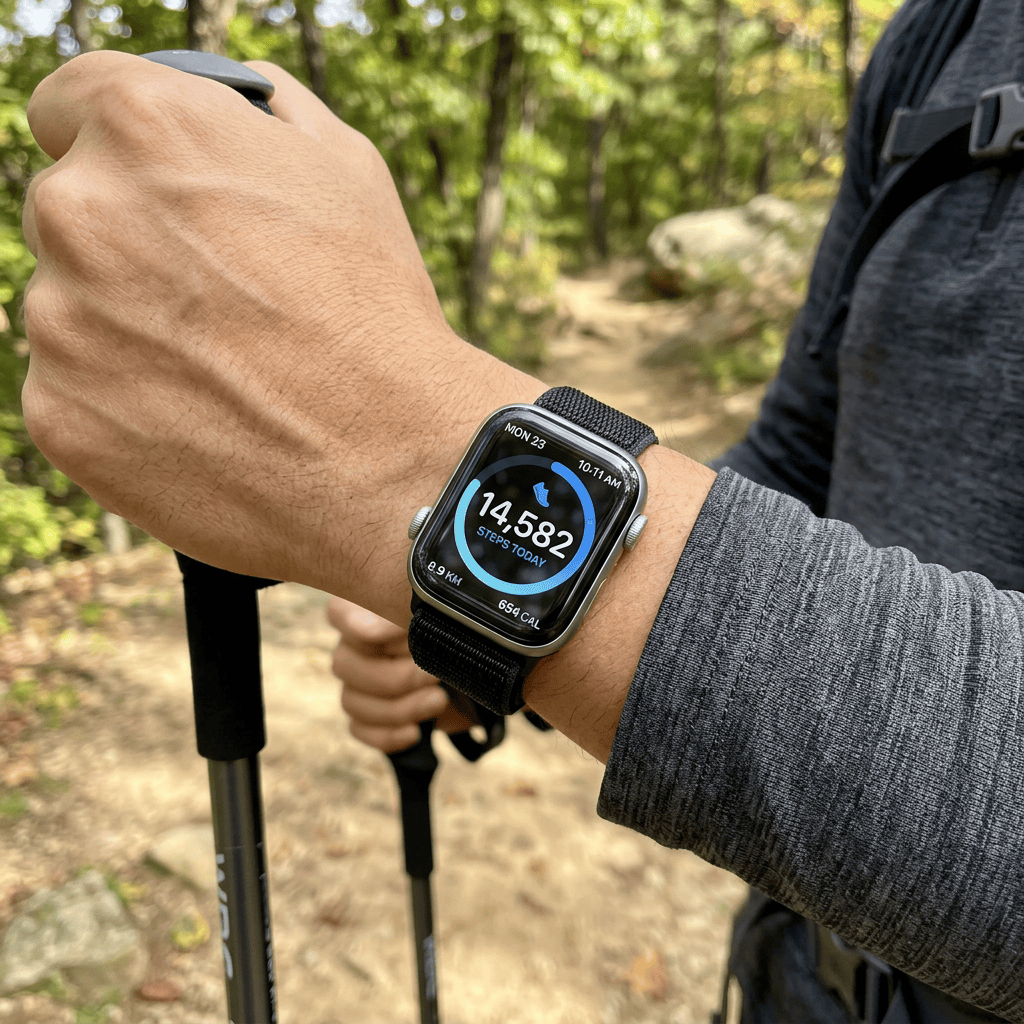
The goal of 10,000 steps per day has become so familiar that many people assume it represents a scientifically established threshold for good health. Research, however, suggests that health benefits occur well below 10,000 steps and that there is nothing magical about reaching that exact number. In a meta-analysis involving 47,471 adults from 15 international cohorts, Paluch et al. (2022) found progressively lower mortality risk as daily step counts increased. Among adults age 60 and older, the association appeared to level off around 6,000 to 8,000 steps per day, while among adults younger than 60, benefits continued to approximately 8,000 to 10,000 steps per day.
Even more recent research reinforces the idea that we do not have to chase an arbitrary step goal to improve our health. A 2025 systematic review and dose-response meta-analysis found that approximately 7,000 steps per day was associated with substantially better outcomes across several areas of health when compared with 2,000 steps per day. In that analysis, 7,000 daily steps was associated with a 47% lower risk of all-cause mortality, 25% lower risk of cardiovascular disease incidence, 14% lower risk of type 2 diabetes, 38% lower risk of dementia, and 22% lower risk of depressive symptoms (Ding et al., 2025). These are observational associations and do not prove that step count alone caused those reductions, but they provide another compelling reason to make regular movement part of everyday life.
Why Walking After a Meal Is Especially Interesting
If you are trying to decide when to fit those extra minutes of walking into your day, after a meal may be an excellent place to start. When we eat a meal containing carbohydrates, glucose enters the bloodstream, and the body releases insulin to help move glucose into cells where it can be used or stored. Physical activity allows working skeletal muscles to increase glucose uptake, which is one reason movement can be particularly helpful for metabolic health. You do not necessarily need an intense workout to take advantage of this process.
A systematic review and meta-analysis by Buffey et al. (2022) examined the effects of interrupting prolonged sitting with standing or light-intensity walking. The researchers found that light-intensity walking breaks improved postprandial glucose and insulin responses compared with prolonged sitting. This is particularly relevant because many of us do exactly the opposite after eating: we sit back down. We eat breakfast and drive to work, eat lunch and return to our desks, or eat dinner and move to the couch.
Instead of thinking that you need to complete a difficult workout after every meal, consider simply taking a short walk. Walk around your neighborhood, take the dog outside, walk on the treadmill, or take a few laps around your workplace after lunch. Even if you cannot walk for 10 minutes, a few minutes of movement is still movement. The goal is to create opportunities for your muscles to work throughout the day rather than spending hours at a time almost completely sedentary.
Walking Is About More Than Calories
Another mistake we make with exercise is viewing movement primarily through the lens of calorie burning and weight loss. If a fitness tracker tells you that your short walk burned only a small number of calories, it can feel like the effort did not accomplish much. However, the benefits of physical activity extend far beyond the number displayed on your watch. Walking contributes to cardiovascular fitness, metabolic health, mobility, physical function, and overall daily activity.
Research examining step counts and cardiovascular outcomes provides a good example. A dose-response meta-analysis found that higher daily step counts were associated with lower risks of both all-cause mortality and cardiovascular events (Sheng et al., 2021). Among studies using accelerometers, approximately 8,959 daily steps was associated with about a 40% lower risk of all-cause mortality compared with approximately 4,183 daily steps, while approximately 9,500 steps was associated with a 35% lower risk of cardiovascular events compared with approximately 3,500 steps. Again, these observational findings demonstrate associations rather than guaranteeing an individual outcome, but they highlight that simply moving more may have benefits that extend far beyond weight management.
Make Walking Fit Into Your Life
The best movement plan is not necessarily the most intense one; it is the one you can realistically repeat. If your schedule makes a long workout difficult, look for smaller pockets of time that already exist during your day. You might walk for 10 minutes before leaving for work, use part of your lunch break to walk outside, take the stairs when appropriate, park farther away from a building, or walk while your child is at sports practice. You can also make an after-dinner family walk part of your evening routine rather than treating exercise as something that has to happen separately from family life.
Walking can also be paired with activities you already enjoy. Listen to an audiobook, podcast, or music, call a friend, pray, take your dog, or use the time to simply be outside without another screen in front of you. On days when you have more time and energy, you can walk longer or increase your pace, but those additions do not have to be requirements. Creating a low barrier to movement makes it much easier to remain consistent when life gets busy.
Start Where You Are
If you currently average 3,000 steps per day, there is no reason to suddenly demand 10,000 from yourself tomorrow. A more realistic goal might be adding one 10-minute walk to your day and seeing how that feels for a couple of weeks. Once that becomes routine, you might add another short walk, take a longer route, or gradually increase your daily step count. The research on steps and health consistently suggests that moving from very little activity toward more activity matters, even when you have not reached the numbers frequently promoted on social media or fitness trackers.
It is also important to remember that walking does not replace every other form of exercise. Strength training remains important for maintaining muscle, bone health, function, and healthy aging, while more vigorous cardiovascular activity can provide additional benefits when it is appropriate for the individual. Walking is simply one accessible piece of a well-rounded approach to movement. For people who have been inactive, have chronic medical conditions, or experience symptoms with exercise, an individualized plan should be discussed with an appropriate healthcare professional.
A hiker checks a smartwatch showing 14,582 steps during a forest trek.
Ten Minutes Still Counts
We often underestimate health behaviors because they seem too small to make a difference. Ten minutes of walking does not look dramatic on social media, require expensive equipment, or leave you lying on the floor after a workout. What it can do is help break up hours of sitting, increase your daily movement, and create a behavior that is realistic enough to repeat almost every day. When you repeat that 10-minute walk consistently, it stops being a workout you have to convince yourself to do and starts becoming part of how you live.
The next time you finish a meal or realize you have been sitting for several hours, resist the urge to think that you need an entire workout for movement to be worthwhile. Put on your shoes, step outside, walk around your workplace, or get on the treadmill for 10 minutes. You do not have to hit 10,000 steps, close every ring on your watch, or break a sweat for your movement to count. Sometimes improving your health really can begin with something as simple as taking a walk.
Written By: Roxanne Oliver, DNP, APRN, FNP-BC, CHHP
*The information contained in this post is for information only. It does not replace routine follow-up and/or care with a certified and licensed medical provider
References
Buffey, A. J., Herring, M. P., Langley, C. K., Donnelly, A. E., & Carson, B. P. (2022). The acute effects of interrupting prolonged sitting time in adults with standing and light-intensity walking on biomarkers of cardiometabolic health in adults: A systematic review and meta-analysis. Sports Medicine, 52(8), 1765–1787. https://doi.org/10.1007/s40279-022-01649-4
Bull, F. C., Al-Ansari, S. S., Biddle, S., Borodulin, K., Buman, M. P., Cardon, G., Carty, C., Chaput, J.-P., Chastin, S., Chou, R., Dempsey, P. C., DiPietro, L., Ekelund, U., Firth, J., Friedenreich, C. M., Garcia, L., Gichu, M., Jago, R., Katzmarzyk, P. T., … Willumsen, J. F. (2020). World Health Organization 2020 guidelines on physical activity and sedentary behaviour. British Journal of Sports Medicine, 54(24), 1451–1462. https://doi.org/10.1136/bjsports-2020-102955
Ding, D., et al. (2025). Daily steps and health outcomes in adults: A systematic review and dose-response meta-analysis. The Lancet Public Health. https://pubmed.ncbi.nlm.nih.gov/40713949/
Paluch, A. E., Bajpai, S., Bassett, D. R., Carnethon, M. R., Ekelund, U., Evenson, K. R., Galuska, D. A., Jefferis, B. J., Kraus, W. E., Lee, I.-M., Matthews, C. E., Omura, J. D., Patel, A. V., Pieper, C. F., Rees-Punia, E., Dallmeier, D., Klenk, J., Whincup, P. H., Dooley, E. E., … Fulton, J. E. (2022). Daily steps and all-cause mortality: A meta-analysis of 15 international cohorts. The Lancet Public Health, 7(3), e219–e228. https://doi.org/10.1016/S2468-2667(21)00302-9
Sheng, M., Yang, J., Bao, M., Chen, T., Cai, R., Zhang, N., Chen, H., Liu, M., Wu, X., Zhang, B., & Liu, Y. (2021). The relationships between step count and all-cause mortality and cardiovascular events: A dose-response meta-analysis. Journal of Sport and Health Science, 10. https://doi.org/10.1016/j.jshs.2021.09.004
Want to Learn More?
Want more practical, evidence-based information about nutrition, functional medicine, hormones, healthy living, and wellness? Follow along on Instagram and TikTok @roxanneoliver_dnp, where I share education, healthy lifestyle tips, recipes, and realistic ways to support your health. I believe wellness should be understandable, sustainable, and something you can actually incorporate into real life.
If you have ever decided that Monday is the day you are going to completely change your life, you are definitely not alone. Monday is when you are going to start eating healthier, exercise five days a week, drink more water, stop eating sugar, go to bed earlier, take all your supplements, meal prep, and somehow still manage your job, family, house, and everything else life throws at you. For a few days, you may even feel motivated and excited about your new routine. By Wednesday or Thursday, however, you may find yourself exhausted, frustrated, and wondering why maintaining a healthy lifestyle feels so difficult.
One of the biggest misconceptions about improving our health is that we need to completely overhaul our lives to see meaningful results. In reality, some of the most important changes in our health can come from much smaller behaviors practiced consistently over time. These small behaviors may not seem particularly exciting, especially when compared with dramatic diets, challenges, or wellness trends, but they are often much easier to maintain. You do not need a perfect routine; you need a repeatable one.
Why We Struggle With Healthy Habits
Knowing what is healthy and actually doing it every day are two very different things. Most of us already know that vegetables are good for us, exercise is important, sleep matters, and drinking water is probably a better choice than another soda. The real challenge is figuring out how to fit those behaviors into work schedules, family responsibilities, children’s activities, vacations, social events, and everything else that makes up real life. When healthy living becomes an enormous checklist of things we are supposed to accomplish every day, it can quickly become overwhelming.
This gap between knowing what is healthy and consistently doing it can be seen in national physical activity data. The World Health Organization recommends that adults accumulate approximately 150 to 300 minutes of moderate-intensity aerobic activity each week and participate in muscle-strengthening activities at least two days per week (Bull et al., 2020). However, data from the National Center for Health Statistics found that only 22.5% of U.S. adults age 25 and older met both aerobic and muscle-strengthening recommendations in 2022 (Centers for Disease Control and Prevention [CDC], 2024). These numbers do not necessarily mean that people do not care about their health; instead, they demonstrate how difficult it can be to consistently translate health recommendations into everyday life.
A woman journals beside her morning coffee in a bright, plant-filled kitchen.
Small Habits Really Do Add Up
There is a reason I prefer sustainable changes over extreme resets. A 2024 systematic review and meta-analysis examining health-related habit formation found considerable variability in how long behaviors take to become habitual, challenging the popular idea that a new behavior automatically becomes a habit after 21 days (Singh et al., 2024). Habit formation depends on several factors, including the behavior itself, the individual, repetition, and the environment in which the behavior occurs. This means that needing reminders several weeks into a new routine does not mean you have failed or that the habit is not working.
The goal should not be to make ten major changes simultaneously and hope that motivation carries you through them. Instead, choose a behavior that is small enough to repeat consistently until it begins to feel like a normal part of your life. Once that behavior becomes easier to maintain, you can build another healthy behavior on top of it. Over months and years, those seemingly small choices can create a lifestyle that looks dramatically different from where you started.
What Does a “Small” Healthy Habit Look Like?
A healthy habit does not have to be impressive to be beneficial. It might mean drinking a glass of water while your coffee brews, adding a source of protein to breakfast, walking for 10 minutes after dinner, or putting your phone down 30 minutes earlier at night. You might step outside for a few minutes in the morning, prepare your lunch the night before work, or commit to strength training twice per week instead of promising yourself that you will exercise every single day. These behaviors may feel almost too simple to matter, but their simplicity is often exactly what makes them sustainable.
Consider walking as an example of how small amounts of movement can matter. A systematic review and meta-analysis found that interrupting prolonged sitting with light-intensity walking improved post-meal glucose and insulin responses compared with remaining seated (Buffey et al., 2022). More recent evidence has continued to examine regular activity breaks as a practical strategy for improving postprandial glucose and insulin responses (Gale et al., 2026). You may not always have another hour available for exercise, but finding five or ten minutes to move after a meal may be much more realistic.
Let Go of the “All-or-Nothing” Mentality
One of the biggest obstacles to sustainable healthy living is all-or-nothing thinking. You miss a workout and decide the week is ruined, eat pizza on Friday night and tell yourself you will restart your diet Monday, or skip a planned meal and decide the entire day is a loss. You may even have 15 minutes available to exercise but decide it is not worth doing because you cannot complete your usual 45-minute workout. Unfortunately, this mentality allows one imperfect decision or unexpected event to turn into several days of abandoned healthy behaviors.
Health does not work that way, and your body does not require perfection to benefit from your choices. The vegetables you ate on Tuesday still provided nutrients even if you had dessert on Saturday, and a 10-minute walk still provides movement even if you did not complete a full workout. Going to bed on time four nights this week is still an improvement over staying up late every night. The World Health Organization specifically emphasizes that some physical activity is better than none and encourages inactive individuals to begin with small amounts before gradually increasing their activity over time (Bull et al., 2020).
Build New Habits Around Things You Already Do
One of the easiest ways to incorporate a new behavior is to connect it to something that already happens consistently in your day. You already brush your teeth, make coffee, eat meals, drive to work, and get ready for bed. These existing routines can become natural reminders for new behaviors because you do not have to create an entirely new schedule around them. The goal is to make the healthy choice fit into your life rather than constantly reorganizing your life around the healthy choice.
For example, instead of simply telling yourself that you need to drink more water, decide that you will drink a glass of water every morning while your coffee is brewing. If you want to walk more, make a 10-minute walk your normal routine after dinner rather than waiting for the perfect time to exercise. If you frequently forget supplements that are intended to be taken with breakfast, place them somewhere visible near something you use every morning, while still following storage requirements and keeping them safely away from children. When a healthy behavior has a predictable cue and requires less decision-making, repeating it consistently can become much easier.
Start With Your “Big Three”
If you currently feel like your health needs a complete overhaul, resist the temptation to start with a list of 15 goals. Instead, choose two or three behaviors that are realistic for your current season of life and focus on repeating them. Your priorities may look different from someone else’s because health goals should account for your schedule, medical needs, family responsibilities, and current activity level. What matters most is choosing behaviors that you can realistically continue after the initial motivation has worn off.
One possible starting point is to focus on protein, movement, and sleep. Including adequate protein throughout the day can support muscle maintenance and help create satisfying, balanced meals, while daily movement can support metabolic, cardiovascular, and musculoskeletal health. Sleep deserves equal attention because it plays an essential role in physical and mental well-being, and emerging research suggests that sleep regularity may also be an important marker of long-term health rather than focusing solely on total sleep duration (Windred et al., 2024). Once these foundational behaviors begin to feel normal, you can gradually add other goals that are important to you.
A woman prepares fresh vegetables while building healthy daily habits at home.
Consistency Beats Intensity
We live in a culture that loves dramatic transformations, including 30-day challenges, detoxes, extreme diets, complicated supplement routines, and highly structured morning schedules. These approaches can feel exciting because they give us the sense that we are taking immediate action, but health is not something we practice for only 30 days. The routines that matter most are the ones that can continue through ordinary Tuesdays, busy work weeks, family vacations, holidays, stressful seasons, and unexpected changes in our schedules. A sustainable lifestyle has enough flexibility to accommodate real life without making you feel as though every deviation requires starting over.
There will be days when your carefully planned dinner becomes takeout, your workout gets interrupted, or your bedtime routine disappears because life simply happens. Those moments do not erase the healthy choices you made before them, nor do they require punishment, restriction, or a dramatic reset the following day. The most useful response is often simply returning to your usual healthy habits at the next available opportunity. One meal, one missed workout, or one difficult week is only a small piece of a much larger picture.
If you have been telling yourself that you need to “get it together,” perhaps you do not need a complete overhaul after all. Choose one or two things that would genuinely improve your health, make them small enough to fit into your current life, and practice them consistently before adding something new. A year from now, several small habits that have become part of your everyday routine may have changed your health far more than another dramatic plan that you could only maintain for a few weeks. Healthy living does not require perfection; it requires enough consistency to keep moving in the right direction.
Written By: Roxanne Oliver, DNP, APRN, FNP-BC, CHHP
The information contained in this post is for information only. It does not replace routine follow-up and/or care with a certified and licensed medical provider
References
Buffey, A. J., Herring, M. P., Langley, C. K., Donnelly, A. E., & Carson, B. P. (2022). The acute effects of interrupting prolonged sitting time in adults with standing and light-intensity walking on biomarkers of cardiometabolic health in adults: A systematic review and meta-analysis. Sports Medicine, 52(8), 1765–1787. https://doi.org/10.1007/s40279-022-01649-4
Bull, F. C., Al-Ansari, S. S., Biddle, S., Borodulin, K., Buman, M. P., Cardon, G., Carty, C., Chaput, J.-P., Chastin, S., Chou, R., Dempsey, P. C., DiPietro, L., Ekelund, U., Firth, J., Friedenreich, C. M., Garcia, L., Gichu, M., Jago, R., Katzmarzyk, P. T., … Willumsen, J. F. (2020). World Health Organization 2020 guidelines on physical activity and sedentary behaviour. British Journal of Sports Medicine, 54(24), 1451–1462. https://doi.org/10.1136/bjsports-2020-102955
Centers for Disease Control and Prevention. (2024). QuickStats: Percentage of adults aged ≥25 years who met the 2018 federal physical activity guidelines for both muscle-strengthening and aerobic physical activity, by educational attainment—United States, 2022. Morbidity and Mortality Weekly Report, 73(22), 521. https://doi.org/10.15585/mmwr.mm7322a3
Gale, J. T., Martin, H., Haszard, J. J., & Peddie, M. C. (2026). The acute effects of interrupting prolonged sitting with regular activity breaks on postprandial glucose and insulin in adults: A systematic review and meta-analysis. Obesity Reviews. Advance online publication. https://doi.org/10.1111/obr.70152
Singh, B., Murphy, A., Maher, C., & Smith, A. E. (2024). Time to form a habit: A systematic review and meta-analysis of health behaviour habit formation and its determinants. Healthcare, 12(23), 2488. https://doi.org/10.3390/healthcare12232488
Windred, D. P., Burns, A. C., Lane, J. M., Saxena, R., Rutter, M. K., Cain, S. W., & Phillips, A. J. K. (2024). Sleep regularity is a stronger predictor of mortality risk than sleep duration: A prospective cohort study. Sleep, 47(1), zsad253. https://doi.org/10.1093/sleep/zsad253
Want to Learn More?
Want more practical, evidence-based information about nutrition, functional medicine, hormones, healthy living, and wellness? Follow along on Instagram and TikTok @roxanneoliver_dnp, where I share education, healthy lifestyle tips, recipes, and realistic ways to support your health. I believe wellness should be understandable, sustainable, and something you can actually incorporate into real life.
There is something about September that makes me want everything to taste like fall. Naturally, this weekend’s meal prep somehow ended up including Gluten-Free Protein Pumpkin Bread made in my bread machine. Was pumpkin bread absolutely necessary? Probably not. Did it feel necessary because the weather is changing and I am officially feeling “fallish”? Absolutely.
That little addition to the menu is actually a perfect example of why I love meal prepping. Meal prep sometimes gets a reputation for being rows of identical containers filled with chicken, broccoli, and rice that you dutifully eat for five days straight. That is definitely not what happens in my house, nor do I think it needs to be.
I meal prep because our weeks are busy. Between work, homeschooling, practices, games, appointments, and everything else that comes with raising a family, I know that 5:30 p.m. on a busy weekday is a terrible time to start asking, “What should we have for dinner?” I want nutritious food to be the easy choice, but I also want our food to taste good, have variety, and actually be something my family wants to eat.
Most importantly, I leave room for the plan to change.
This Week’s Meal Prep
Originally, I planned to make blueberry chicken breakfast sausage patties this week. I had the recipe planned, and I knew what ingredients I needed. Then, as I started thinking about meal prep, chicken Gouda crustless quiche sounded better. So, that is what I made instead.
This is your reminder that the meal plan is not the boss of you. Sometimes something else sounds better. Sometimes your husband or kids request something different. Sometimes you open the refrigerator and realize there is something you really need to use before it becomes a science experiment. Whatever the reason, it is perfectly fine to change the plan.
The goal of meal prep is not perfection. The goal is to make your week easier while helping you stay consistent with the way you want to eat.
This week, I wanted several breakfast choices available instead of preparing one breakfast and eating it every morning. We have the chicken Gouda crustless quiche, chia pudding, protein shakes, and now my Gluten-Free Protein Pumpkin Bread. Having several options gives us structure without making anyone feel like they are eating the exact same thing every day.
I use the same approach with our dinners. Over the next couple of weeks, I planned a mixture of proteins, vegetables, soups, slow-cooker meals, and family favorites. Instead of relying on chicken every night because it is easy, I intentionally rotate chicken, turkey, pork, beef, salmon, and shrimp. That variety helps keep everyone interested while also giving us a broader range of nutrients.
Since we are also getting ready to leave for our cruise, the end of my meal plan becomes very intentional. I purposely schedule leftover nights and freezer or pantry meals before we travel. I have absolutely no desire to leave behind a refrigerator full of vegetables slowly dying while I am on a cruise.
Why Meal Prep Can Help With Weight-Loss Goals
There is actually research supporting some of the benefits of meal planning. In a large observational study involving more than 40,000 adults, meal planning was associated with better overall diet quality, greater food variety, and lower odds of obesity. Because this was an observational study, it cannot prove that meal planning itself caused those outcomes, but the association is still interesting and supports what many people experience when they begin planning their food more intentionally.
For me, one of the biggest benefits is even simpler: meal prep allows me to make many of my food decisions at a time when I am not exhausted, starving, and standing in front of the refrigerator. Instead of trying to decide what to eat after a long day, I have already narrowed down my choices and made sure the ingredients are available.
“For me, one of the biggest benefits is even simpler: meal prep allows me to make many of my food decisions at a time when I am not exhausted, starving, and standing in front of the refrigerator.“
You may have heard this described as reducing “decision fatigue.” Research specifically connecting decision fatigue and food choices is still developing, so I do not think we should oversell the concept. However, there is evidence suggesting that decision fatigue may contribute to more impulsive and less health-conscious food choices in certain situations. From a practical standpoint, planning ahead simply reduces the number of decisions you have to make when you are tired and hungry.
Instead of asking, “What sounds good right now?” meal prep allows you to ask, “Which of the things I already planned sounds good right now?” That may seem like a small distinction, but it can make healthy eating much easier to maintain.
Meal planning also gives you the opportunity to intentionally create variety. When I look at our entire menu before grocery shopping, I can quickly see whether I have somehow planned chicken six nights in a row or forgotten vegetables for half the meals. I can rotate proteins, vegetables, flavors, and cooking methods before I ever get to the grocery store.
For weight loss and long-term weight maintenance, sustainability matters. A nutrition plan that is so restrictive that you dread eating your meals is probably not going to work very well over the long term. Meal prep is not magic, and putting food into matching glass containers on Sunday does not somehow cause weight loss. What meal prep can do is make the behaviors that support your goals easier to repeat consistently.
Consistency is ultimately much more important than having a “perfect” week.
10 Things I Am Doing With This Week’s Meal Prep
1. Prep components instead of preparing every meal in individual containers. You do not have to assemble 14 perfectly portioned meals to successfully meal prep. Having cooked protein, chopped vegetables, prepared breakfast foods, sauces, and a few freezer meals ready can sometimes be more useful because everyone can mix and match throughout the week.
2. Give yourself breakfast choices. I like having several breakfast options available rather than assigning a specific breakfast to each day. This week, we have chicken Gouda crustless quiche, chia pudding, protein shakes, and pumpkin bread. I still have structure, but I can choose what sounds good that morning.
3. Use freezer bags for future dinners. Several meals on our menu can be assembled ahead of time so that most of the work is already finished on the day we eat them. Soups, chili, carnitas, and many slow-cooker chicken dishes work especially well for this. Future me is always ridiculously grateful to Sunday meal-prep me.
4. Rotate your proteins. I intentionally included chicken, turkey, beef, pork, salmon, and shrimp in this meal plan. Protein is an important part of our meals, but eating the same protein prepared the same way every night gets boring quickly. Variety keeps meals interesting and provides a broader range of nutrients.
5. Plan meals around your actual calendar. A night packed with work, practices, games, and activities is probably not the best night to schedule a dinner that requires 45 minutes of chopping and three pans. Those nights get the slow cooker, a freezer meal, leftovers, or something intentionally simple. Meal prep should fit your life; your life should not have to fit your meal prep.
6. Make your options visible. I keep our weekly menu where the family can see it, and I make sure breakfast, lunch, and snack options are clearly listed. This helps everyone know what is available without having to ask me. Apparently, opening a refrigerator full of food, staring directly at it, and announcing, “We have nothing to eat,” is still a developmental milestone in childhood.
7. Intentionally plan for leftovers. Leftovers are not a meal-prep failure. They are part of my plan because they save money, reduce food waste, and give me a night when I do not have to cook another complete meal. I consider that a win on all three counts.
8. Plan backward when you are traveling. Because we are leaving for vacation soon, I am intentionally using our perishable foods first and transitioning toward freezer and pantry foods as we get closer to leaving. The week before a vacation is probably not the time to enthusiastically purchase seven avocados and a refrigerator drawer full of produce.
9. Leave room for something fun. This week, that something was Gluten-Free Protein Pumpkin Bread. Nutrition does not have to be boring to be intentional. Seasonal foods, comfort foods, and family favorites can absolutely have a place in an overall healthy lifestyle.
10. Change the plan when the plan no longer works. My blueberry chicken sausage became chicken Gouda crustless quiche, and nothing terrible happened. In fact, I am pretty happy about the change. A meal plan is supposed to serve you, not become another set of rules you feel obligated to follow.
Meal Prep Is a Tool, Not a Rule
One of the biggest reasons I continue to meal prep is that it gives me structure without requiring perfection. I know what we are eating, I grocery shop with a purpose, and I can intentionally include plenty of protein and variety. I can also prepare ahead for our busiest evenings, reduce food waste, and eliminate some of the daily mental load surrounding food.
At the same time, there is still room to decide that chicken Gouda quiche sounds better than blueberry chicken sausage. There is room for pumpkin bread because it is September and I am feeling fallish. There is room for leftovers, family requests, changing schedules, and nights when life simply does not go according to plan.
If you are trying to lose weight, improve your nutrition, save money, or simply stop ordering dinner because nobody knows what to make, you do not need to meal prep every bite of food you will eat for the next seven days. Start smaller by planning your dinners, preparing one or two breakfast options, keeping a few protein-forward snacks available, and prepping ahead for the meals that fall on your busiest nights.
Then, adjust as you go. Your meal plan does not have to be perfect to be helpful, and neither does your nutrition. The best meal plan is not the one that looks perfect sitting on your kitchen counter on Sunday afternoon. It is the one that still makes your life easier when Wednesday night rolls around and everyone is hungry.
Here are a few of the recipes I prepped this week. Macros are approximate and will vary depending on the specific brands, portions, and substitutions you use.
Chicken Gouda Crustless Quiche
Approximate macros per serving: 250 calories | 25 g protein | 5 g carbohydrates | 14 g fat
Ingredients: 1 pound ground chicken, 8 large eggs, 1 cup cottage cheese, 1 cup shredded Gouda cheese, 1 cup chopped spinach, ½ teaspoon garlic powder, ½ teaspoon onion powder, salt, and black pepper.
Instructions: Brown the chicken in a skillet and drain if necessary. Whisk together the eggs, cottage cheese, seasonings, and half of the Gouda. Stir in the cooked chicken and spinach, pour into a greased pie dish, and top with the remaining Gouda. Bake at 375°F for approximately 30–35 minutes, or until the center is set. Allow it to rest before slicing.
Gluten-Free Protein Pumpkin Bread — Bread Machine
Approximate macros per slice: 150 calories | 7 g protein | 16 g carbohydrates | 7 g fat
Ingredients: 1 cup pumpkin puree, 3 eggs, ½ cup plain Greek yogurt, 2 tablespoons melted butter or avocado oil, 2 tablespoons honey or monk fruit to taste, 1 teaspoon vanilla, 1 cup oat flour, 1 cup almond flour, 1 teaspoon baking powder, ½ teaspoon baking soda, 1½ teaspoons cinnamon, ½ teaspoon pumpkin pie spice, and ¼ teaspoon salt.
Instructions: Add the wet ingredients to the bread-machine pan first, followed by the dry ingredients. Use the machine’s quick bread or cake setting rather than a yeast-bread cycle. Check during mixing and scrape the sides if needed. Allow the bread to cool before slicing.
White Chicken Chili
Approximate macros per serving: 330 calories | 35 g protein | 28 g carbohydrates | 9 g fat
Ingredients: 1½ pounds chicken breast, 2 cans Great Northern or cannellini beans, 1 can diced green chiles, 1 small onion, 3 cups chicken broth, 1 teaspoon cumin, 1 teaspoon chili powder, ½ teaspoon garlic powder, 4 ounces cream cheese, and salt and pepper.
Instructions: Add everything except the cream cheese to a slow cooker and cook on low for 6–7 hours or high for 3–4 hours. Shred the chicken, stir in the cream cheese, and cook until creamy and heated through.
Turkey Taco Soup
Approximate macros per serving: 300 calories | 28 g protein | 27 g carbohydrates | 9 g fat
Ingredients: 1 pound lean ground turkey, 1 can black beans, 1 can diced tomatoes, 1 can diced green chiles, 1 cup corn if desired, 3 cups chicken broth, 1 small onion, and 2 tablespoons taco seasoning.
Instructions: Brown the turkey and onion, then add them to a slow cooker with the remaining ingredients. Cook on low for 4–6 hours. Serve with avocado, shredded cheese, plain Greek yogurt, or your favorite taco toppings.
BBQ Chicken Stuffed Sweet Potatoes
Approximate macros per serving: 390 calories | 34 g protein | 44 g carbohydrates | 9 g fat
Ingredients: 4 medium sweet potatoes, 1½ pounds chicken breast, ½ cup lower-sugar BBQ sauce, ½ teaspoon garlic powder, salt, pepper, and optional shredded cheese.
Instructions: Bake the sweet potatoes until tender. Cook and shred the chicken, then toss it with the BBQ sauce and seasonings. Split each sweet potato and fill with BBQ chicken. Add a small amount of cheese or other toppings if desired.
Slow-Cooker Pork Carnitas
Approximate macros per serving: 310 calories | 34 g protein | 5 g carbohydrates | 17 g fat
Ingredients: 2½ pounds pork shoulder, juice of 1 lime, ½ cup chicken broth, 1 small onion, 3 garlic cloves, 1 teaspoon cumin, 1 teaspoon oregano, 1 teaspoon chili powder, ½ teaspoon salt, and black pepper.
Instructions: Add everything to the slow cooker and cook on low for 8 hours or until the pork easily shreds. Shred the meat and toss it in some of the cooking juices. For crispy edges, spread the pork on a sheet pan and broil for a few minutes before serving.
Fall Harvest Chicken
Approximate macros per serving: 375 calories | 37 g protein | 30 g carbohydrates | 12 g fat
Ingredients: 1½ pounds chicken breast or thighs, 2 small sweet potatoes, 2 cups Brussels sprouts, 1 apple, 1 tablespoon olive oil, 1 teaspoon cinnamon, ½ teaspoon thyme, ½ teaspoon garlic powder, salt, and pepper.
Instructions: Chop everything into bite-size pieces and toss with the olive oil and seasonings. Roast on a sheet pan at 400°F for approximately 25–30 minutes, or until the chicken reaches 165°F and the vegetables are tender.
Turkey Meatloaf Muffins
Approximate macros per 2 muffins: 280 calories | 31 g protein | 12 g carbohydrates | 11 g fat
Ingredients: 1½ pounds lean ground turkey, 1 egg, ½ cup gluten-free oats, ¼ cup milk, ½ small onion finely diced, 1 teaspoon garlic powder, 1 teaspoon Italian seasoning, salt, pepper, and a small amount of ketchup or lower-sugar tomato sauce for the tops.
Instructions: Combine the ingredients without overmixing. Divide into a greased muffin pan and add a small amount of tomato sauce to each. Bake at 375°F for approximately 20–25 minutes, or until the centers reach 165°F.
Garlic Butter Shrimp & Vegetable Skillet
Approximate macros per serving: 260 calories | 30 g protein | 10 g carbohydrates | 11 g fat
Ingredients: 1½ pounds peeled shrimp, 2 tablespoons butter, 3 garlic cloves, 1 zucchini, 1 bell pepper, 1 cup broccoli, ½ teaspoon Italian seasoning, salt, pepper, and fresh lemon juice.
Instructions: Sauté the vegetables in half of the butter until just tender. Add the remaining butter, garlic, shrimp, and seasonings. Cook until the shrimp are pink and opaque, then finish with fresh lemon juice.
Beef Tips & Gravy
Approximate macros per serving: 350 calories | 38 g protein | 10 g carbohydrates | 17 g fat
Ingredients: 2 pounds sirloin or stew beef, 2 cups beef broth, 1 small onion, 8 ounces mushrooms, 2 garlic cloves, 1 tablespoon Worcestershire sauce, 1 teaspoon thyme, salt, pepper, and a cornstarch slurry if needed.
Instructions: Add the beef, broth, onion, mushrooms, garlic, Worcestershire sauce, and seasonings to the slow cooker. Cook on low for 6–8 hours until tender. Thicken the cooking liquid at the end if desired and serve with your favorite vegetable or mashed potatoes.
Easy Baked Salmon
Approximate macros per 5-ounce serving: 300 calories | 32 g protein | 2 g carbohydrates | 18 g fat
Ingredients: 4 salmon fillets, 1 tablespoon olive oil, garlic powder, dill, salt, black pepper, and fresh lemon.
Instructions: Place the salmon on a lined baking sheet, brush lightly with olive oil, and season. Bake at 400°F for approximately 12–15 minutes, depending on thickness. Finish with fresh lemon and serve with vegetables or a simple salad.
A quick note about the macros: These numbers are estimates intended to make meal planning easier, not exact nutritional calculations. Ingredient brands, portion sizes, toppings, cooking methods, and substitutions can significantly change the final nutrition information.
Written By: Roxanne Oliver, DNP, APRN, FNP-BC, CHHP
*The information contained in this post is for information only. It does not replace routine follow-up and/or care with a certified and licensed medical provider
References
Brasington, N., Beckett, E. L., Pristijono, P., & Akanbi, T. O. (2025). The effect of decision fatigue on food choices: A narrative review. Nutrients, 17(24), 3901. https://doi.org/10.3390/nu17243901
Ducrot, P., Méjean, C., Aroumougame, V., Ibanez, G., Allès, B., Kesse-Guyot, E., Hercberg, S., & Péneau, S. (2017). Meal planning is associated with food variety, diet quality and body weight status in a large sample of French adults. International Journal of Behavioral Nutrition and Physical Activity, 14, Article 12. https://doi.org/10.1186/s12966-017-0461-7
Hormones play a critical role in cardiovascular health, influencing blood pressure, cholesterol levels, arterial flexibility, and inflammation. As we age, natural hormone fluctuations—especially in estrogen, testosterone, and thyroid hormones—can significantly impact heart function and metabolic health.
The functional medicine approach focuses on balancing hormones naturally through lifestyle modifications, targeted supplementation, and bioidentical hormone replacement therapy (BHRT) when needed. In this blog, we’ll explore how hormonal imbalances contribute to heart disease, the benefits of bioidentical hormone replacement, and natural strategies to optimize hormonal health for a stronger heart.
The Connection Between Hormones and Heart Health
Hormones regulate key cardiovascular functions, including blood vessel dilation, cholesterol metabolism, and blood sugar control. When hormone levels become imbalanced, they can contribute to hypertension, atherosclerosis, and metabolic dysfunction (American Heart Association [AHA], 2023).
Here’s how three key hormones—estrogen, testosterone, and thyroid hormones—affect the heart:
1. Estrogen and Cardiovascular Protection
Estrogen plays a protective role in heart health by:
Improving arterial flexibility and blood flow.
Regulating cholesterol levels by increasing HDL and reducing LDL.
Reducing inflammation and oxidative stress.
Estrogen Decline and Increased Heart Risk
During menopause, estrogen levels plummet, leading to higher blood pressure, increased cholesterol, and arterial stiffness.
Studies show that postmenopausal women have a higher risk of heart disease compared to premenopausal women (Muka et al., 2022).
Estrogen deficiency increases the risk of metabolic syndrome, insulin resistance, and type 2 diabetes, all of which raise cardiovascular risk.
Bioidentical estrogen therapy (estradiol or estriol) may:
Reduce arterial stiffness and improve circulation.
Help maintain healthy cholesterol levels.
Lower C-reactive protein (CRP) levels, a marker of inflammation linked to heart disease.
Functional Medicine Approach:
Consider bioidentical hormone replacement therapy (BHRT) with personalized estrogen dosing.
Consume phytoestrogen-rich foods (flaxseeds, soy, lentils) to support estrogen balance.
Support liver detoxification (cruciferous vegetables, dandelion tea) to ensure healthy estrogen metabolism.
2. Testosterone and Cardiovascular Function
Testosterone is often thought of as a male hormone, but it plays a critical role in both men’s and women’s heart health.
Hormonal balance plays a critical role in cardiovascular health. Estrogen, testosterone, and thyroid hormones regulate blood pressure, cholesterol, metabolic function, and arterial health. A functional medicine approach ensures optimal hormone balance through:
✅ Comprehensive hormone testing
✅ Personalized BHRT when needed
✅ Nutrition and lifestyle interventions
By addressing hormonal imbalances, we can reduce cardiovascular risk, improve energy levels, and support long-term heart health.
Written By: Roxanne Oliver, DNP, APRN, FNP-BC, CHHP
*The information contained in this post is for information only. It does not replace routine follow-up and/or care with a certified and licensed medical provider
References
American Heart Association. (2023). Hormones and heart disease risk. Retrieved from https://www.heart.org
Muka, T., Oliver-Williams, C., Kunutsor, S., et al. (2022). Association of postmenopausal hormone therapy with cardiovascular disease: A meta-analysis. JAMA Cardiology, 7(4), 383-392.
Traish, A. M., Haider, K. S., & Haider, A. (2022). Testosterone therapy and cardiovascular health: A review. American Journal of Men’s Health, 16(2), 15579883221100377.
Yeap, B. B., Alfonso, H., Chubb, S. A., et al. (2021). Low testosterone levels predict increased risk of cardiovascular events. The Journal of Clinical Endocrinology & Metabolism, 106(5), 1306-1314.
In the world of functional medicine, we know that small habits create big shifts. Your morning routine isn’t just about productivity—it’s about setting the biochemical tone for your hormones, energy, metabolism, and even mood throughout the day.
If you often feel wired but tired, experience energy crashes, cravings, or mood swings, chances are your morning routine needs some fine-tuning. Let’s decode the key functional habits that can create hormone harmony from the moment you wake up.
1. Get Natural Sunlight Exposure Within the First Hour
Why it matters: Morning sunlight exposure helps regulate your circadian rhythm, cortisol awakening response, and melatonin production later in the evening. A consistent light-dark cycle is crucial for balanced cortisol, thyroid function, and reproductive hormones.
Simple Tip:
Step outside for 5–10 minutes within 30–60 minutes of waking—even on cloudy days.
No sunglasses, no glass windows—natural light directly into your eyes and onto your skin is ideal.
Bonus: Early sunlight also boosts dopamine levels, helping you feel more motivated and focused.
2. Prioritize Proper Hydration (Before Coffee)
Why it matters: After 6–8 hours without water, your body is naturally dehydrated, which can concentrate cortisol, slow digestion, and strain adrenal and thyroid function.
Simple Tip:
Start your morning with a glass of filtered water—ideally with a pinch of sea salt or trace minerals to replenish electrolytes.
Add a squeeze of lemon for additional liver and digestive support.
Hydration before caffeine ensures you’re not further stressing the adrenal glands or spiking cortisol unnaturally.
3. Eat a Protein-Rich Breakfast
Why it matters: Skipping breakfast or eating a carb-heavy meal first thing (like pastries, cereal, or toast) can lead to a blood sugar spike—and crash. Balanced blood sugar = balanced cortisol, insulin, and sex hormones.
Simple Tip:
Aim for 25–30 grams of protein at breakfast (think pasture-raised eggs, turkey sausage, a protein smoothie, or Greek yogurt with seeds).
Pair with healthy fats (avocado, nuts, olive oil) and fiber for even better blood sugar control.
Protein first helps stabilize appetite, mood, and energy for hours to come.
4. Start With Mindfulness, Not Your Phone
Why it matters: The first few minutes after waking set your brainwave patterns for the day. Scrolling social media, emails, or news creates a stress response, activating the sympathetic (“fight or flight”) nervous system. This hijacks your cortisol curve and leaves you feeling overwhelmed before you even start your day.
Simple Tip:
Take 2–5 minutes to breathe deeply, pray, meditate, or simply stretch before touching any electronics.
Gratitude journaling or setting a daily intention are powerful, hormone-friendly practices too.
How These Habits Work Together
When you align your morning with your body’s natural rhythms, you:
Support a healthy cortisol awakening response
Stabilize blood sugar and insulin
Reduce inflammation
Balance thyroid, adrenal, and sex hormones
Enhance mood, focus, and energy naturally
Functional medicine isn’t about adding complicated rituals—it’s about mastering the foundational rhythms that your body is already designed to follow.
Final Thoughts
You don’t have to overhaul your life overnight. Start with one habit tomorrow morning: step outside, drink mineralized water, eat a high-protein breakfast, or put your phone away for the first 10 minutes. Over time, these simple changes compound into major shifts in your energy, metabolism, and hormone health.
Because in functional medicine, we believe that the first hour of your day… shapes the next 23.
Written By: Roxanne Oliver, DNP, APRN, FNP-BC, CHHP
*The information contained in this post is for information only. It does not replace routine follow-up and/or care with a certified and licensed medical provider
Czeisler, C. A., & Gooley, J. J. (2007). Sleep and circadian rhythms in humans. Cold Spring Harbor Symposia on Quantitative Biology, 72, 579–597. https://doi.org/10.1101/sqb.2007.72.064
O’Connor, S. G., Koziel, J., He, K., & Anderson, G. (2022). Breakfast macronutrient composition influences postprandial glycemia, appetite, and energy intake in overweight and obese adults: A randomized controlled trial. Nutrients, 14(3), 637. https://doi.org/10.3390/nu14030637
Romijn, J. A., Cani, P. D., & Blaak, E. E. (2021). The role of the gut–brain axis in energy and glucose metabolism. Endocrinology and Metabolism Clinics of North America, 50(3), 587–602. https://doi.org/10.1016/j.ecl.2021.05.005
Walker, M. P. (2017). Why we sleep: Unlocking the power of sleep and dreams. Scribner.
Zhou, J., Zhang, Y., Tang, L., & Xu, F. (2019). Mindfulness and hormone regulation: Theoretical framework and review. Frontiers in Psychology, 10, 799. https://doi.org/10.3389/fpsyg.2019.00799
Whelton, P. K., Carey, R. M., Aronow, W. S., et al. (2018). 2017 ACC/AHA guideline for the prevention, detection, evaluation, and management of high blood pressure in adults. Journal of the American College of Cardiology, 71(19), e127–e248. https://doi.org/10.1016/j.jacc.2017.11.006 (Referenced for hydration’s importance in blood pressure and metabolic balance.)
A strong immune system is your best line of defense against illness, but boosting it doesn’t have to mean prescription medication or over-the-counter quick fixes. Nature has equipped us with powerful tools—flavonoids and immune-modulating herbs—that work gently yet effectively to support and balance immune function. Whether you’re looking to reduce the frequency of seasonal colds or support your body during times of stress, these natural compounds offer targeted benefits.
“A strong immune system is your best line of defense against illness…”
What Are Flavonoids?
Flavonoids are compounds found in colorful fruits, vegetables, teas, and even dark chocolate. These plant chemicals are known for their antioxidant and anti-inflammatory properties, which make them valuable players in immune health.
Some key flavonoids include:
Quercetin – found in apples, onions, and berries
EGCG – a powerful antioxidant in green tea
Rutin – found in citrus fruits and buckwheat
Myricetin – present in tomatoes, grapes, and walnuts
These flavonoids help reduce oxidative stress, improve immune cell signaling, and regulate inflammation—key factors in protecting against chronic illness and infection.
Herbal Immune Allies
Several herbs have long been used in traditional medicine and are now backed by modern research for their immune-supportive properties:
Elderberry (Sambucus nigra): Excellent during cold and flu season; shortens the duration and severity of viral illnesses. Great for those with frequent upper respiratory infections.
Astragalus: A gentle immune modulator that’s ideal for those with frequent fatigue or who feel “run down” from stress.
Reishi Mushroom: A calming adaptogen that supports the immune system and stress response. Ideal for those with autoimmune concerns or high levels of chronic stress.
Echinacea: Best used short-term at the onset of illness; can help stimulate immune response. Suitable for those with a healthy immune system who want to support it during acute illness.
Quercetin: Especially beneficial for individuals with allergies, chronic inflammation, or frequent colds.
Green Tea (EGCG): A good choice for anyone looking for a gentle, daily immune enhancer with antioxidant benefits.
Note: If you have autoimmune conditions, are on immunosuppressants, or are pregnant/breastfeeding, consult with your healthcare provider before introducing new herbs or flavonoids.
Here are a few practical and sustainable ways to make these immune-supportive tools part of your everyday life:
1. Start Your Morning with Green Tea
Swap out your coffee for a cup of green tea to provide a steady source of EGCG, which supports immunity and metabolism.
2. Add Color to Your Plate
Aim for at least 3 different colors per meal: purple onions, red peppers, leafy greens, berries, or citrus fruits—all rich in flavonoids.
3. Use Herbal Teas Throughout the Day
Drink elderberry or echinacea teas when you feel run down or during flu season.
For daily stress support, sip on reishi mushroom tea or take a capsule with your evening routine.
4. Supplement Strategically
A daily quercetin supplement may be helpful if you have seasonal allergies or frequent inflammation.
Astragalus is best taken in capsule or tincture form as part of a daily wellness routine during the winter or stressful times.
5. Batch-Prep Immune Smoothies
Blend citrus fruits, berries, spinach, and green tea ice cubes into a smoothie to flood your system with immune-supportive compounds.
6. Cook with Immune-Friendly Spices
Onions, garlic, ginger, and turmeric are all rich in flavonoids and immune-boosting properties—add them liberally to soups, stir-fries, and roasted vegetables.
A Final Note
Supporting your immune system isn’t about doing one thing perfectly—it’s about creating consistent habits that promote balance and resilience. Whether you’re feeling run-down, trying to prevent illness, or just want to give your body a little extra support, herbs and flavonoids offer safe, natural options. When combined with quality sleep, a healthy diet, hydration, and stress reduction techniques, they become powerful allies in your wellness routine.
Written By: Roxanne Oliver, DNP, APRN, FNP-BC, CHHP
*The information contained in this post is for information only. It does not replace routine follow-up and/or care with a certified and licensed medical provider
Chandra, R. K. (1997). Nutrition and the immune system: An introduction. The American Journal of Clinical Nutrition, 66(2), 460S–463S. https://doi.org/10.1093/ajcn/66.2.460S
Liu, R. H. (2013). Health-promoting components of fruits and vegetables in the diet. Advances in Nutrition, 4(3), 384S–392S. https://doi.org/10.3945/an.112.003517
Zakay-Rones, Z., Thom, E., Wollan, T., & Wadstein, J. (2004). Randomized study of the efficacy and safety of oral elderberry extract in the treatment of influenza A and B virus infections. The Journal of International Medical Research, 32(2), 132–140. https://doi.org/10.1177/147323000403200205
Wu, D., Lewis, E. D., Pae, M., & Meydani, S. N. (2019). Nutritional modulation of immune function: Analysis of evidence, mechanisms, and clinical relevance. Frontiers in Immunology, 9, 3160. https://doi.org/10.3389/fimmu.2018.03160
Nair, M. P., Mahajan, S., Reynolds, J. L., Aalinkeel, R., Nair, H., Schwartz, S. A., & Kandaswami, C. (2006). The flavonoid quercetin inhibits proinflammatory cytokine expression by suppressing the NF-κB pathway. Clinical and Vaccine Immunology, 13(3), 319–328. https://doi.org/10.1128/CDLI.13.3.319-328.2006
Li, X., Qu, L., Dong, Y., Han, L., Liu, E., Fang, S., & Zhang, Y. (2014). A review of recent research progress on the astragalus genus. Molecules, 19(11), 18850–18880. https://doi.org/10.3390/molecules191118850
Heinrich, M., & Teoh, H. L. (2004). Galanthamine from snowdrop—the development of a modern drug against Alzheimer’s disease from local Caucasian knowledge. Journal of Ethnopharmacology, 92(2–3), 147–162. https://doi.org/10.1016/j.jep.2004.02.012
Singh, R., Ahmed, S., Islam, N., & Kumar, S. (2021). Role of dietary flavonoids in modulation of the immune system. Nutrition & Food Science, 51(3), 526–540. https://doi.org/10.1108/NFS-01-2021-0007
The gut and the heart may seem like two separate systems, but emerging research reveals a strong connection between gut health and cardiovascular wellness. The gut microbiome—the vast ecosystem of bacteria, viruses, and fungi in the digestive tract—plays a crucial role in regulating inflammation, cholesterol metabolism, and even blood pressure. Functional medicine takes a root-cause approach to heart disease prevention by addressing gut health as a foundational component of cardiovascular wellness.
This blog post explores the gut-heart axis, the role of the microbiome in cardiovascular health, and practical strategies for optimizing gut health to support a strong and healthy heart.
The Gut-Heart Axis: How the Microbiome Influences Cardiovascular Health
The gut-heart axis refers to the biochemical and metabolic interactions between the gut microbiota and the cardiovascular system. Research has shown that an imbalanced gut microbiome (dysbiosis) contributes to systemic inflammation, atherosclerosis, hypertension, and metabolic disorders that increase the risk of heart disease (Tang et al., 2022).
Here are some key ways the gut impacts heart health:
1. Inflammation and Atherosclerosis
Chronic inflammation is a major driver of cardiovascular disease. An unhealthy gut microbiome can promote inflammation by producing harmful metabolites, such as lipopolysaccharides (LPS), which trigger immune system activation and contribute to plaque buildup in arteries (Vujkovic-Cvijin et al., 2022).
2. Trimethylamine-N-Oxide (TMAO) and Heart Disease
Certain gut bacteria convert dietary choline and L-carnitine (found in red meat and eggs) into trimethylamine (TMA), which is then processed by the liver into trimethylamine-N-oxide (TMAO). High TMAO levels are associated with increased arterial plaque formation, inflammation, and a higher risk of stroke and heart attack (Koeth et al., 2020).
3. Cholesterol Metabolism
The gut microbiome plays a role in regulating cholesterol absorption and bile acid metabolism. Some gut bacteria help break down bile acids and influence cholesterol levels, impacting LDL (“bad” cholesterol) and HDL (“good” cholesterol) balance (Chi et al., 2022).
4. Blood Pressure Regulation
Short-chain fatty acids (SCFAs), such as butyrate, acetate, and propionate, are produced when beneficial gut bacteria ferment dietary fiber. SCFAs have been shown to improve blood vessel function, reduce inflammation, and lower blood pressure (Miller et al., 2022).
5. Insulin Sensitivity and Metabolic Health
Gut dysbiosis is linked to insulin resistance and metabolic syndrome, both of which increase the risk of cardiovascular disease. A diverse microbiome supports blood sugar regulation, reducing the likelihood of type 2 diabetes and obesity—two key risk factors for heart disease (Sonnenburg & Bäckhed, 2022).
Functional medicine emphasizes personalized interventions to restore gut balance and support cardiovascular health. Here are science-backed strategies to enhance the gut microbiome and protect the heart:
1. Increase Fiber Intake to Support Healthy Bacteria
A high-fiber diet promotes the growth of beneficial gut bacteria and enhances SCFA production, improving inflammation control and metabolic health.
Soluble fiber: Found in oats, beans, flaxseeds, and berries, soluble fiber helps lower LDL cholesterol.
Insoluble fiber: Found in vegetables, whole grains, and nuts, this fiber type supports gut motility and microbiome diversity.
Recommended intake: 25-38 grams per day (Academy of Nutrition and Dietetics, 2023).
2. Eat Fermented and Probiotic-Rich Foods
Probiotic foods introduce beneficial bacteria into the gut, while prebiotic foods nourish existing microbes.
Probiotic-rich foods: Yogurt, kefir, sauerkraut, kimchi, miso, and kombucha.
Prebiotic foods: Garlic, onions, leeks, asparagus, bananas, and Jerusalem artichokes.
Probiotic supplementation can also be beneficial for individuals with gut dysbiosis or after antibiotic use (Ouwehand et al., 2022).
3. Reduce Processed Foods and Sugar Intake
A diet high in refined carbohydrates, added sugars, and ultra-processed foods promotes gut dysbiosis and inflammation. Reducing intake of these foods helps maintain a balanced gut microbiome and supports heart health.
Excess sugar feeds pathogenic bacteria and yeast, increasing gut permeability (leaky gut), which allows inflammatory molecules to enter the bloodstream (Mu et al., 2022).
4. Manage Stress and Prioritize Sleep
Chronic stress negatively impacts the gut microbiome by altering microbial diversity and increasing inflammation. Functional medicine recommends stress-reducing techniques to support both gut and heart health:
Mindfulness, meditation, and deep breathing exercises can lower cortisol levels and improve gut function (Smith et al., 2022).
Quality sleep is essential for microbiome balance and cardiovascular recovery. Aim for 7-9 hours per night.
5. Exercise Regularly to Enhance Microbiome Diversity
Physical activity has been shown to positively influence gut bacteria diversity and reduce inflammation. Both aerobic exercise and resistance training contribute to cardiovascular and gut health (Monda et al., 2022).
Aim for 150 minutes of moderate-intensity exercise per week (CDC, 2023).
6. Consider Targeted Supplements
Probiotics: Support gut microbial balance.
Prebiotics: Feed beneficial bacteria.
Polyphenols: Found in green tea, berries, and dark chocolate, polyphenols improve gut health and cardiovascular function.
Omega-3 fatty acids: Reduce gut and systemic inflammation.
Let’s Sum It Up
The gut microbiome plays a crucial role in cardiovascular health, influencing inflammation, cholesterol metabolism, blood pressure regulation, and overall metabolic function. A functional medicine approach emphasizes optimizing gut health through a high-fiber diet, fermented foods, stress management, and regular exercise.
By taking care of the gut, we can protect our hearts and improve long-term wellness. Small, sustainable lifestyle changes can have a profound impact on both gut balance and cardiovascular function, making heart health a truly holistic endeavor.
Written By: Roxanne Oliver, DNP, APRN, FNP-BC, CHHP
*The information contained in this post is for information only. It does not replace routine follow-up and/or care with a certified and licensed medical provider
References
Academy of Nutrition and Dietetics. (2023). Dietary fiber recommendations. Retrieved from https://www.eatright.org
Centers for Disease Control and Prevention. (2023). Physical activity and heart health. Retrieved from https://www.cdc.gov
Chi, X., Fan, Y., Zhang, Y., Zhang, H., & Wang, H. (2022). The role of gut microbiota in cholesterol metabolism and cardiovascular disease. Journal of Translational Medicine, 20(1), 1-13.
Koeth, R. A., Wang, Z., Levison, B. S., Buffa, J. A., Org, E., Sheehy, B. T., & Hazen, S. L. (2020). Intestinal microbiota metabolism of l-carnitine, a nutrient in red meat, promotes atherosclerosis. Nature Medicine, 19(5), 576-585.
Miller, M. A., Engen, P. A., Gorky, J., et al. (2022). Short-chain fatty acids and their role in gut and cardiovascular health. American Journal of Physiology-Gastrointestinal and Liver Physiology, 322(2), G156-G171.
Monda, V., Villano, I., Messina, A., Valenzano, A., Esposito, T., Moscatelli, F., & Monda, M. (2022). Exercise and gut microbiota: A new frontier for cardiovascular disease prevention. Frontiers in Physiology, 13, 821424.
Mu, Q., Tavella, V. J., & Luo, X. M. (2022). Role of gut microbiota in autoimmune diseases and its implications in cardiovascular health. Frontiers in Immunology, 13, 830690.
Tang, W. H. W., Li, D. Y., & Hazen, S. L. (2022). Dietary metabolism, the microbiome, and heart failure. Nature Reviews Cardiology, 19(3), 169-183.
The American Heart Association (AHA, 2023) and the World Health Organization (WHO, 2022) recognize that environmental toxins contribute to high blood pressure, inflammation, and arterial damage. Below are some of the primary toxic threats to cardiovascular wellness:
1. Heavy Metals: Lead, Mercury, and Cadmium
Exposure to heavy metals—commonly found in contaminated water, industrial pollution, and certain foods—has been strongly linked to hypertension, arterial plaque buildup, and oxidative stress (Vaziri, 2022).
Lead: Found in old plumbing, paint, and soil, lead exposure increases blood pressure and disrupts calcium metabolism, harming blood vessels.
Mercury: Present in certain fish (e.g., tuna, swordfish), mercury increases oxidative stress and inflammation, raising the risk of heart disease.
Cadmium: A toxin found in cigarette smoke and industrial pollution, cadmium is associated with atherosclerosis and endothelial dysfunction.
Functional Medicine Solution: ✅ Test for heavy metals via hair, urine, or blood analysis. ✅ Consume cilantro, chlorella, and fiber-rich foods to bind and remove heavy metals. ✅ Filter drinking water to eliminate lead and other contaminants.
According to the Environmental Protection Agency (EPA, 2023), fine particulate matter (PM2.5) and volatile organic compounds (VOCs) found in car exhaust, industrial emissions, and household cleaners contribute to heart disease, strokes, and high blood pressure.
PM2.5 particles enter the bloodstream, causing inflammation, arterial stiffness, and increased clotting risk.
Long-term exposure is linked to a higher risk of heart attacks and strokes (Brook et al., 2023).
Functional Medicine Solution: ✅ Use HEPA air filters indoors to reduce pollution exposure. ✅ Reduce time spent near high-traffic areas and industrial zones. ✅ Support detoxification with antioxidant-rich foods (berries, green tea, turmeric) to combat oxidative stress.
3. Endocrine Disruptors: BPA, Phthalates, and PFAS
Endocrine-disrupting chemicals (EDCs) interfere with hormone regulation, impacting blood pressure, cholesterol, and inflammation (Gore et al., 2023).
Bisphenol A (BPA): Found in plastic containers and canned goods, BPA mimics estrogen, increasing blood pressure and cardiovascular risk.
Phthalates: Common in personal care products and food packaging, phthalates contribute to metabolic syndrome and obesity, both of which impact heart health.
PFAS (“Forever Chemicals”): Found in non-stick cookware, water-resistant clothing, and fast food packaging, PFAS exposure is linked to high cholesterol and hypertension.
Functional Medicine Solution: ✅ Switch to glass or stainless steel containers for food storage. ✅ Avoid plastic water bottles and BPA-lined cans. ✅ Choose organic skincare and household products to reduce exposure.
4. Pesticides and Their Role in Heart Disease
Pesticides used in conventional farming contain chemicals that disrupt the nervous system, trigger inflammation, and increase oxidative stress, all of which are linked to hypertension and cardiovascular dysfunction (Mostafalou & Abdollahi, 2022).
Glyphosate, commonly used in herbicides, has been linked to gut microbiome disruption and increased risk of metabolic disorders that impact heart health.
Organophosphate pesticides contribute to vascular dysfunction and arterial stiffness.
Functional Medicine Solution: ✅ Choose organic fruits, vegetables, and grains to reduce pesticide intake. ✅ Wash produce with baking soda or vinegar to remove residues. ✅ Support detoxification with cruciferous vegetables (broccoli, Brussels sprouts, cabbage).
5. Mold and Mycotoxins: A Hidden Threat to Heart Health
Mold exposure—often from water-damaged buildings, contaminated foods, or poor ventilation—produces mycotoxins that trigger chronic inflammation and vascular damage.
Mycotoxins like ochratoxin A and aflatoxins are linked to hypertension, blood vessel dysfunction, and oxidative stress (Hope et al., 2022).
Functional Medicine Solution: ✅ Check for mold in homes and workplaces, and use air purifiers. ✅ Consume binders like activated charcoal and bentonite clay to detox mycotoxins. ✅ Support liver detoxification with milk thistle and glutathione.
A functional medicine approach emphasizes detoxification, nutrient optimization, and lifestyle interventions to minimize toxin exposure and support cardiovascular health.
1. Eat a Heart-Healthy, Detox-Supporting Diet
🥦 Cruciferous vegetables (broccoli, kale) support liver detox. 🍋 Lemon water and dandelion tea enhance natural detoxification. 🐟 Omega-3 fatty acids (wild-caught salmon, flaxseeds) reduce inflammation from toxin exposure. 🌾 Fiber-rich foods (chia seeds, psyllium husk) help eliminate toxins through digestion.
2. Sweat Out Toxins
🚴 Exercise regularly to stimulate the lymphatic system and circulation. 🧖♀️ Infrared sauna therapy promotes detoxification through sweat.
3. Improve Detox Pathways with Targeted Nutrients
🌿 Glutathione: The body’s master antioxidant, essential for detox. 💊 N-acetyl cysteine (NAC): Supports liver function and heavy metal clearance. 🫐 Antioxidants (vitamin C, quercetin): Combat oxidative stress from toxins.
4. Reduce Chemical Exposure in Your Home
🏡 Use natural cleaning products (vinegar, baking soda) instead of chemical-based cleaners. 🌱 Switch to organic personal care products to avoid phthalates and parabens. 💧 Install water filters to remove heavy metals and chemicals from drinking water.
Bringing it all together!
Hidden toxins are a silent contributor to heart disease, impacting blood pressure, cholesterol, and arterial health. By identifying sources of toxic exposure, supporting detox pathways, and adopting a functional medicine approach, you can protect your heart and overall health.
Reducing environmental toxins isn’t about perfection—it’s about progress. Small, mindful changes can make a big difference in long-term cardiovascular wellness.
Written By: Roxanne Oliver, DNP, APRN, FNP-BC, CHHP
*The information contained in this post is for information only. It does not replace routine follow-up and/or care with a certified and licensed medical provider
References
American Heart Association. (2023). Environmental toxins and cardiovascular health. Retrieved from https://www.heart.org
Brook, R. D., Rajagopalan, S., Pope, C. A., et al. (2023). Air pollution and cardiovascular disease. Circulation, 147(5), 490-509.
Environmental Protection Agency. (2023). Air pollution and heart disease risk. Retrieved from https://www.epa.gov
Gore, A. C., Crews, D., Doan, L. L., et al. (2023). Endocrine-disrupting chemicals: Impacts on cardiovascular health. Endocrine Reviews, 44(3), 233-256.