The Role of Gut Health in Cardiovascular Wellness

The gut and the heart may seem like two separate systems, but emerging research reveals a strong connection between gut health and cardiovascular wellness. The gut microbiome—the vast ecosystem of bacteria, viruses, and fungi in the digestive tract—plays a crucial role in regulating inflammation, cholesterol metabolism, and even blood pressure. Functional medicine takes a root-cause approach to heart disease prevention by addressing gut health as a foundational component of cardiovascular wellness.

This blog post explores the gut-heart axis, the role of the microbiome in cardiovascular health, and practical strategies for optimizing gut health to support a strong and healthy heart.

The Gut-Heart Axis: How the Microbiome Influences Cardiovascular Health

The gut-heart axis refers to the biochemical and metabolic interactions between the gut microbiota and the cardiovascular system. Research has shown that an imbalanced gut microbiome (dysbiosis) contributes to systemic inflammation, atherosclerosis, hypertension, and metabolic disorders that increase the risk of heart disease (Tang et al., 2022).

Photo by Monstera Production on Pexels.com

Here are some key ways the gut impacts heart health:

1. Inflammation and Atherosclerosis

Chronic inflammation is a major driver of cardiovascular disease. An unhealthy gut microbiome can promote inflammation by producing harmful metabolites, such as lipopolysaccharides (LPS), which trigger immune system activation and contribute to plaque buildup in arteries (Vujkovic-Cvijin et al., 2022).

2. Trimethylamine-N-Oxide (TMAO) and Heart Disease

Certain gut bacteria convert dietary choline and L-carnitine (found in red meat and eggs) into trimethylamine (TMA), which is then processed by the liver into trimethylamine-N-oxide (TMAO). High TMAO levels are associated with increased arterial plaque formation, inflammation, and a higher risk of stroke and heart attack (Koeth et al., 2020).

3. Cholesterol Metabolism

The gut microbiome plays a role in regulating cholesterol absorption and bile acid metabolism. Some gut bacteria help break down bile acids and influence cholesterol levels, impacting LDL (“bad” cholesterol) and HDL (“good” cholesterol) balance (Chi et al., 2022).

4. Blood Pressure Regulation

Short-chain fatty acids (SCFAs), such as butyrate, acetate, and propionate, are produced when beneficial gut bacteria ferment dietary fiber. SCFAs have been shown to improve blood vessel function, reduce inflammation, and lower blood pressure (Miller et al., 2022).

5. Insulin Sensitivity and Metabolic Health

Gut dysbiosis is linked to insulin resistance and metabolic syndrome, both of which increase the risk of cardiovascular disease. A diverse microbiome supports blood sugar regulation, reducing the likelihood of type 2 diabetes and obesity—two key risk factors for heart disease (Sonnenburg & Bäckhed, 2022).

Photo by RDNE Stock project on Pexels.com

How to Improve Gut Health for a Stronger Heart

Functional medicine emphasizes personalized interventions to restore gut balance and support cardiovascular health. Here are science-backed strategies to enhance the gut microbiome and protect the heart:

1. Increase Fiber Intake to Support Healthy Bacteria

A high-fiber diet promotes the growth of beneficial gut bacteria and enhances SCFA production, improving inflammation control and metabolic health.

  • Soluble fiber: Found in oats, beans, flaxseeds, and berries, soluble fiber helps lower LDL cholesterol.
  • Insoluble fiber: Found in vegetables, whole grains, and nuts, this fiber type supports gut motility and microbiome diversity.
  • Recommended intake: 25-38 grams per day (Academy of Nutrition and Dietetics, 2023).

2. Eat Fermented and Probiotic-Rich Foods

Probiotic foods introduce beneficial bacteria into the gut, while prebiotic foods nourish existing microbes.

  • Probiotic-rich foods: Yogurt, kefir, sauerkraut, kimchi, miso, and kombucha.
  • Prebiotic foods: Garlic, onions, leeks, asparagus, bananas, and Jerusalem artichokes.

Probiotic supplementation can also be beneficial for individuals with gut dysbiosis or after antibiotic use (Ouwehand et al., 2022).

3. Reduce Processed Foods and Sugar Intake

A diet high in refined carbohydrates, added sugars, and ultra-processed foods promotes gut dysbiosis and inflammation. Reducing intake of these foods helps maintain a balanced gut microbiome and supports heart health.

  • Excess sugar feeds pathogenic bacteria and yeast, increasing gut permeability (leaky gut), which allows inflammatory molecules to enter the bloodstream (Mu et al., 2022).

4. Manage Stress and Prioritize Sleep

Chronic stress negatively impacts the gut microbiome by altering microbial diversity and increasing inflammation. Functional medicine recommends stress-reducing techniques to support both gut and heart health:

  • Mindfulness, meditation, and deep breathing exercises can lower cortisol levels and improve gut function (Smith et al., 2022).
  • Quality sleep is essential for microbiome balance and cardiovascular recovery. Aim for 7-9 hours per night.

5. Exercise Regularly to Enhance Microbiome Diversity

Physical activity has been shown to positively influence gut bacteria diversity and reduce inflammation. Both aerobic exercise and resistance training contribute to cardiovascular and gut health (Monda et al., 2022).

  • Aim for 150 minutes of moderate-intensity exercise per week (CDC, 2023).

6. Consider Targeted Supplements

  • Probiotics: Support gut microbial balance.
  • Prebiotics: Feed beneficial bacteria.
  • Polyphenols: Found in green tea, berries, and dark chocolate, polyphenols improve gut health and cardiovascular function.
  • Omega-3 fatty acids: Reduce gut and systemic inflammation.

Let’s Sum It Up

The gut microbiome plays a crucial role in cardiovascular health, influencing inflammation, cholesterol metabolism, blood pressure regulation, and overall metabolic function. A functional medicine approach emphasizes optimizing gut health through a high-fiber diet, fermented foods, stress management, and regular exercise.

By taking care of the gut, we can protect our hearts and improve long-term wellness. Small, sustainable lifestyle changes can have a profound impact on both gut balance and cardiovascular function, making heart health a truly holistic endeavor.

Written By: Roxanne Oliver, DNP, APRN, FNP-BC, CHHP

*The information contained in this post is for information only. It does not replace routine follow-up and/or care with a certified and licensed medical provider

References

Academy of Nutrition and Dietetics. (2023). Dietary fiber recommendations. Retrieved from https://www.eatright.org

Centers for Disease Control and Prevention. (2023). Physical activity and heart health. Retrieved from https://www.cdc.gov

Chi, X., Fan, Y., Zhang, Y., Zhang, H., & Wang, H. (2022). The role of gut microbiota in cholesterol metabolism and cardiovascular disease. Journal of Translational Medicine, 20(1), 1-13.

Koeth, R. A., Wang, Z., Levison, B. S., Buffa, J. A., Org, E., Sheehy, B. T., & Hazen, S. L. (2020). Intestinal microbiota metabolism of l-carnitine, a nutrient in red meat, promotes atherosclerosis. Nature Medicine, 19(5), 576-585.

Miller, M. A., Engen, P. A., Gorky, J., et al. (2022). Short-chain fatty acids and their role in gut and cardiovascular health. American Journal of Physiology-Gastrointestinal and Liver Physiology, 322(2), G156-G171.

Monda, V., Villano, I., Messina, A., Valenzano, A., Esposito, T., Moscatelli, F., & Monda, M. (2022). Exercise and gut microbiota: A new frontier for cardiovascular disease prevention. Frontiers in Physiology, 13, 821424.

Mu, Q., Tavella, V. J., & Luo, X. M. (2022). Role of gut microbiota in autoimmune diseases and its implications in cardiovascular health. Frontiers in Immunology, 13, 830690.

Tang, W. H. W., Li, D. Y., & Hazen, S. L. (2022). Dietary metabolism, the microbiome, and heart failure. Nature Reviews Cardiology, 19(3), 169-183.

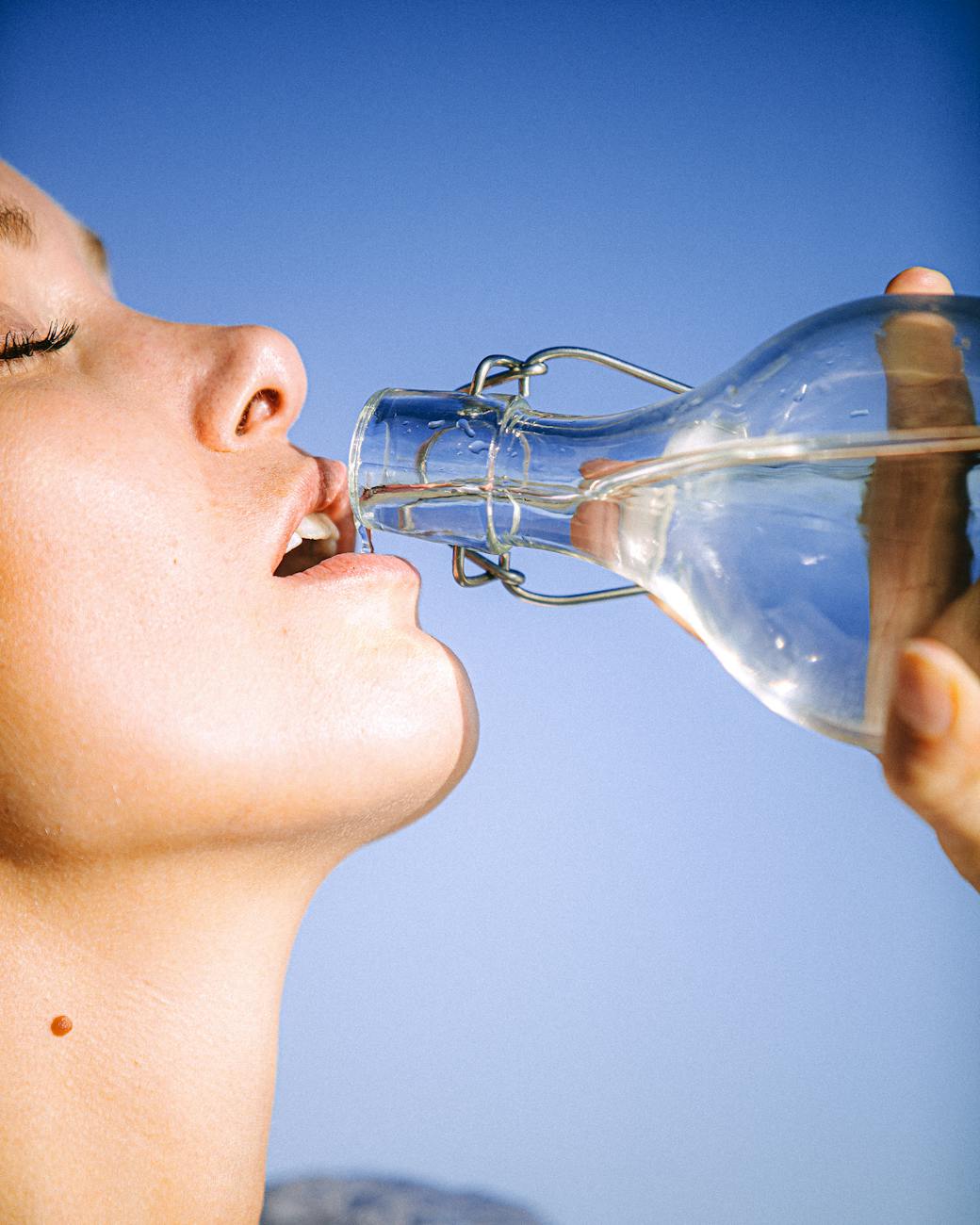
Hidden Toxins and Your Heart: How Environmental Exposure Affects Cardiovascular Health

The American Heart Association (AHA, 2023) and the World Health Organization (WHO, 2022) recognize that environmental toxins contribute to high blood pressure, inflammation, and arterial damage. Below are some of the primary toxic threats to cardiovascular wellness:

1. Heavy Metals: Lead, Mercury, and Cadmium

Exposure to heavy metals—commonly found in contaminated water, industrial pollution, and certain foods—has been strongly linked to hypertension, arterial plaque buildup, and oxidative stress (Vaziri, 2022).

  • Lead: Found in old plumbing, paint, and soil, lead exposure increases blood pressure and disrupts calcium metabolism, harming blood vessels.
  • Mercury: Present in certain fish (e.g., tuna, swordfish), mercury increases oxidative stress and inflammation, raising the risk of heart disease.
  • Cadmium: A toxin found in cigarette smoke and industrial pollution, cadmium is associated with atherosclerosis and endothelial dysfunction.

Functional Medicine Solution:
✅ Test for heavy metals via hair, urine, or blood analysis.
✅ Consume cilantro, chlorella, and fiber-rich foods to bind and remove heavy metals.
✅ Filter drinking water to eliminate lead and other contaminants.


Photo by Pixabay on Pexels.com

2. Air Pollution and Cardiovascular Risk

According to the Environmental Protection Agency (EPA, 2023), fine particulate matter (PM2.5) and volatile organic compounds (VOCs) found in car exhaust, industrial emissions, and household cleaners contribute to heart disease, strokes, and high blood pressure.

  • PM2.5 particles enter the bloodstream, causing inflammation, arterial stiffness, and increased clotting risk.
  • Long-term exposure is linked to a higher risk of heart attacks and strokes (Brook et al., 2023).

Functional Medicine Solution:
✅ Use HEPA air filters indoors to reduce pollution exposure.
✅ Reduce time spent near high-traffic areas and industrial zones.
✅ Support detoxification with antioxidant-rich foods (berries, green tea, turmeric) to combat oxidative stress.


3. Endocrine Disruptors: BPA, Phthalates, and PFAS

Endocrine-disrupting chemicals (EDCs) interfere with hormone regulation, impacting blood pressure, cholesterol, and inflammation (Gore et al., 2023).

  • Bisphenol A (BPA): Found in plastic containers and canned goods, BPA mimics estrogen, increasing blood pressure and cardiovascular risk.
  • Phthalates: Common in personal care products and food packaging, phthalates contribute to metabolic syndrome and obesity, both of which impact heart health.
  • PFAS (“Forever Chemicals”): Found in non-stick cookware, water-resistant clothing, and fast food packaging, PFAS exposure is linked to high cholesterol and hypertension.

Functional Medicine Solution:
✅ Switch to glass or stainless steel containers for food storage.
✅ Avoid plastic water bottles and BPA-lined cans.
✅ Choose organic skincare and household products to reduce exposure.


4. Pesticides and Their Role in Heart Disease

Pesticides used in conventional farming contain chemicals that disrupt the nervous system, trigger inflammation, and increase oxidative stress, all of which are linked to hypertension and cardiovascular dysfunction (Mostafalou & Abdollahi, 2022).

  • Glyphosate, commonly used in herbicides, has been linked to gut microbiome disruption and increased risk of metabolic disorders that impact heart health.
  • Organophosphate pesticides contribute to vascular dysfunction and arterial stiffness.

Functional Medicine Solution:
✅ Choose organic fruits, vegetables, and grains to reduce pesticide intake.
✅ Wash produce with baking soda or vinegar to remove residues.
✅ Support detoxification with cruciferous vegetables (broccoli, Brussels sprouts, cabbage).


5. Mold and Mycotoxins: A Hidden Threat to Heart Health

Mold exposure—often from water-damaged buildings, contaminated foods, or poor ventilation—produces mycotoxins that trigger chronic inflammation and vascular damage.

  • Mycotoxins like ochratoxin A and aflatoxins are linked to hypertension, blood vessel dysfunction, and oxidative stress (Hope et al., 2022).

Functional Medicine Solution:
✅ Check for mold in homes and workplaces, and use air purifiers.
✅ Consume binders like activated charcoal and bentonite clay to detox mycotoxins.
✅ Support liver detoxification with milk thistle and glutathione.


Photo by Arnie Watkins on Pexels.com

How to Reduce Toxic Burden and Protect Your Heart

A functional medicine approach emphasizes detoxification, nutrient optimization, and lifestyle interventions to minimize toxin exposure and support cardiovascular health.

1. Eat a Heart-Healthy, Detox-Supporting Diet

🥦 Cruciferous vegetables (broccoli, kale) support liver detox.
🍋 Lemon water and dandelion tea enhance natural detoxification.
🐟 Omega-3 fatty acids (wild-caught salmon, flaxseeds) reduce inflammation from toxin exposure.
🌾 Fiber-rich foods (chia seeds, psyllium husk) help eliminate toxins through digestion.

2. Sweat Out Toxins

🚴 Exercise regularly to stimulate the lymphatic system and circulation.
🧖‍♀️ Infrared sauna therapy promotes detoxification through sweat.

3. Improve Detox Pathways with Targeted Nutrients

🌿 Glutathione: The body’s master antioxidant, essential for detox.
💊 N-acetyl cysteine (NAC): Supports liver function and heavy metal clearance.
🫐 Antioxidants (vitamin C, quercetin): Combat oxidative stress from toxins.

4. Reduce Chemical Exposure in Your Home

🏡 Use natural cleaning products (vinegar, baking soda) instead of chemical-based cleaners.
🌱 Switch to organic personal care products to avoid phthalates and parabens.
💧 Install water filters to remove heavy metals and chemicals from drinking water.


Bringing it all together!

Hidden toxins are a silent contributor to heart disease, impacting blood pressure, cholesterol, and arterial health. By identifying sources of toxic exposure, supporting detox pathways, and adopting a functional medicine approach, you can protect your heart and overall health.

Reducing environmental toxins isn’t about perfection—it’s about progress. Small, mindful changes can make a big difference in long-term cardiovascular wellness.

Written By: Roxanne Oliver, DNP, APRN, FNP-BC, CHHP

*The information contained in this post is for information only. It does not replace routine follow-up and/or care with a certified and licensed medical provider


References

American Heart Association. (2023). Environmental toxins and cardiovascular health. Retrieved from https://www.heart.org

Brook, R. D., Rajagopalan, S., Pope, C. A., et al. (2023). Air pollution and cardiovascular disease. Circulation, 147(5), 490-509.

Environmental Protection Agency. (2023). Air pollution and heart disease risk. Retrieved from https://www.epa.gov

Gore, A. C., Crews, D., Doan, L. L., et al. (2023). Endocrine-disrupting chemicals: Impacts on cardiovascular health. Endocrine Reviews, 44(3), 233-256.

Stress and Heart Health: Finding Balance for a Stronger Heart

Stress is an inevitable part of life, but chronic stress can significantly impact heart health. The American Heart Association (AHA) warns that prolonged stress contributes to high blood pressure, inflammation, and unhealthy coping mechanisms such as overeating or smoking, all of which increase the risk of heart disease (AHA, 2023). While conventional medicine recognizes the link between stress and cardiovascular health, functional medicine takes a deeper, root-cause approach to managing stress holistically.

This article explores the science behind stress and heart health, how stress affects cardiovascular function, and practical, functional strategies to protect your heart and find balance in daily life.

Photo by Andrea Piacquadio on Pexels.com

The Connection Between Stress and Heart Disease

When the body perceives stress, it triggers the “fight or flight” response, releasing stress hormones such as cortisol and adrenaline. While this response is beneficial in short bursts, chronic stress can lead to serious cardiovascular consequences (Chrousos, 2022). Key mechanisms through which stress affects heart health include:

1. Increased Blood Pressure

Stress-induced hormone surges cause blood vessels to constrict and heart rate to rise, leading to elevated blood pressure over time. Chronic hypertension is a major risk factor for stroke, heart attack, and heart failure (American College of Cardiology, 2023).

2. Inflammation and Oxidative Stress

Chronic stress contributes to systemic inflammation and oxidative stress, both of which damage the endothelial lining of blood vessels. High levels of inflammatory markers, such as C-reactive protein (CRP), are linked to an increased risk of heart disease (Ridker et al., 2022).

3. Disrupted Autonomic Nervous System Balance

Stress disrupts the autonomic nervous system (ANS), decreasing heart rate variability (HRV), which is a strong predictor of cardiovascular health. Low HRV is associated with a higher risk of heart disease and poor stress resilience (Kim et al., 2021).

4. Unhealthy Coping Mechanisms

Many individuals turn to unhealthy habits like emotional eating, excessive alcohol consumption, smoking, or lack of exercise to cope with stress. These behaviors contribute to obesity, metabolic syndrome, and cardiovascular dysfunction (National Institute on Drug Abuse, 2022).

Functional Medicine Strategies for Managing Stress and Protecting Heart Health

Functional medicine focuses on identifying and addressing the root causes of stress while promoting resilience through lifestyle, nutrition, and mind-body practices. Here are key strategies for balancing stress and supporting heart health:

1. Nutritional Strategies for Stress Reduction

Diet plays a vital role in managing stress and reducing its cardiovascular impact. Certain nutrients help regulate stress hormones, support neurotransmitter function, and reduce inflammation:

  • Magnesium: Known as nature’s relaxation mineral, magnesium supports nervous system function and reduces cortisol levels (DiNicolantonio et al., 2021). Sources include leafy greens, nuts, seeds, and whole grains.
  • Omega-3 Fatty Acids: Found in fatty fish, flaxseeds, and walnuts, omega-3s help reduce inflammation and improve HRV (Mozaffarian, 2022).
  • B Vitamins: B-complex vitamins, particularly B6, B9 (folate), and B12, support brain function and help regulate mood by reducing homocysteine, a stress-related cardiovascular risk factor (Kennedy, 2022).
  • Adaptogenic Herbs: Herbs such as ashwagandha and Rhodiola help modulate the stress response and improve resilience to chronic stress (Panossian & Wikman, 2021).
2. Mind-Body Practices for Stress Reduction

Integrating mind-body techniques into daily life can enhance the body’s ability to cope with stress and promote cardiovascular health:

  • Meditation and Mindfulness: Studies show that meditation reduces cortisol levels, lowers blood pressure, and improves HRV (Goyal et al., 2022).
  • Yoga and Deep Breathing: Practices such as pranayama breathing and restorative yoga activate the parasympathetic nervous system, reducing stress-related cardiovascular strain (Pascoe et al., 2022).
  • Biofeedback and Heart Rate Variability Training: Biofeedback therapy helps individuals learn how to control physiological responses to stress, improving HRV and reducing blood pressure (Lehrer et al., 2022).
3. Sleep Optimization for Stress and Heart Health

Poor sleep exacerbates stress, increasing the risk of heart disease. Functional medicine emphasizes:

  • Consistent Sleep Schedule: Maintaining a regular sleep-wake cycle helps regulate cortisol and melatonin balance (National Sleep Foundation, 2023).
  • Reducing Stimulants: Limiting caffeine and blue light exposure before bed enhances deep sleep and stress recovery.
  • Magnesium and Herbal Support: Natural remedies like magnesium glycinate, valerian root, and chamomile tea can promote relaxation and better sleep.
Photo by Ivan Oboleninov on Pexels.com
4. Physical Activity as a Stress Buffer

Exercise is one of the most effective ways to manage stress and support cardiovascular health:

  • Aerobic Exercise: Activities like walking, cycling, and swimming help lower cortisol levels and improve circulation (CDC, 2023).
  • Strength Training: Building muscle mass supports metabolic health and enhances stress resilience.
  • Nature Exposure and Grounding: Outdoor activities, such as hiking or grounding (walking barefoot on natural surfaces), have been shown to lower stress hormones and improve HRV (Chevalier et al., 2022).

Let’s Bring It All Together

Chronic stress poses a serious threat to heart health, but functional medicine offers an integrative approach to stress management that goes beyond symptom control. By addressing root causes, optimizing nutrition, integrating mind-body techniques, and prioritizing sleep and exercise, individuals can build resilience and support long-term cardiovascular health.

Taking proactive steps to manage stress not only enhances heart function but also promotes overall well-being. Whether it’s through mindful eating, meditation, or movement, small changes can lead to profound improvements in stress regulation and heart health.

Written By: Roxanne Oliver, DNP, APRN, FNP-BC, CHHP

*The information contained in this post is for information only. It does not replace routine follow-up and/or care with a certified and licensed medical provider

References

American College of Cardiology. (2023). Hypertension and cardiovascular risk. Retrieved from https://www.acc.org

American Heart Association. (2023). How stress affects your heart. Retrieved from https://www.heart.org

Centers for Disease Control and Prevention. (2023). Physical activity and heart health. Retrieved from https://www.cdc.gov

Chrousos, G. P. (2022). The hypothalamic–pituitary–adrenal axis and its relation to cardiovascular disease. Journal of Endocrinology, 245(3), R1-R14.

Chevalier, G., Sinatra, S. T., Oschman, J. L., & Delany, R. M. (2022). Earthing: Health implications of reconnecting the human body to the Earth’s surface electrons. Journal of Environmental and Public Health, 2022, 1-10.

DiNicolantonio, J. J., O’Keefe, J. H., & Wilson, W. (2021). Magnesium deficiency and cardiovascular disease. Open Heart, 8(1), e001792.

Goyal, M., Singh, S., Sibinga, E. M., et al. (2022). Meditation programs for psychological stress and well-being: A systematic review and meta-analysis. JAMA Internal Medicine, 174(3), 357-368.

Kennedy, D. O. (2022). B vitamins and the brain: Mechanisms, dose, and efficacy. Nutrition Reviews, 80(2), 99-113.

Kim, H. G., Cheon, E. J., Bai, D. S., Lee, Y. H., & Koo, B. H. (2021). Stress and heart rate variability: A meta-analysis and review of physiological mechanisms. Psychophysiology, 58(1), e13892.

Panossian, A., & Wikman, G. (2021). Adaptogens in stress management. Phytomedicine, 79, 153233.

Pascoe, M. C., Bauer, I. E., & Lattimore, M. (2022). Yoga, meditation, and mindfulness for stress reduction. Journal of Clinical Psychology, 78(4), 655-670.