Natural Defense: How Flavonoids and Herbal Allies Can Fortify Your Immune System

A strong immune system is your best line of defense against illness, but boosting it doesn’t have to mean prescription medication or over-the-counter quick fixes. Nature has equipped us with powerful tools—flavonoids and immune-modulating herbs—that work gently yet effectively to support and balance immune function. Whether you’re looking to reduce the frequency of seasonal colds or support your body during times of stress, these natural compounds offer targeted benefits.

“A strong immune system is your best line of defense against illness…”

What Are Flavonoids?

Flavonoids are compounds found in colorful fruits, vegetables, teas, and even dark chocolate. These plant chemicals are known for their antioxidant and anti-inflammatory properties, which make them valuable players in immune health.

Some key flavonoids include:

  • Quercetin – found in apples, onions, and berries
  • EGCG – a powerful antioxidant in green tea
  • Rutin – found in citrus fruits and buckwheat
  • Myricetin – present in tomatoes, grapes, and walnuts

These flavonoids help reduce oxidative stress, improve immune cell signaling, and regulate inflammation—key factors in protecting against chronic illness and infection.

Herbal Immune Allies

Several herbs have long been used in traditional medicine and are now backed by modern research for their immune-supportive properties:

  • Elderberry (Sambucus nigra): Excellent during cold and flu season; shortens the duration and severity of viral illnesses. Great for those with frequent upper respiratory infections.
  • Astragalus: A gentle immune modulator that’s ideal for those with frequent fatigue or who feel “run down” from stress.
  • Reishi Mushroom: A calming adaptogen that supports the immune system and stress response. Ideal for those with autoimmune concerns or high levels of chronic stress.
  • Echinacea: Best used short-term at the onset of illness; can help stimulate immune response. Suitable for those with a healthy immune system who want to support it during acute illness.
  • Quercetin: Especially beneficial for individuals with allergies, chronic inflammation, or frequent colds.
  • Green Tea (EGCG): A good choice for anyone looking for a gentle, daily immune enhancer with antioxidant benefits.

Note: If you have autoimmune conditions, are on immunosuppressants, or are pregnant/breastfeeding, consult with your healthcare provider before introducing new herbs or flavonoids.

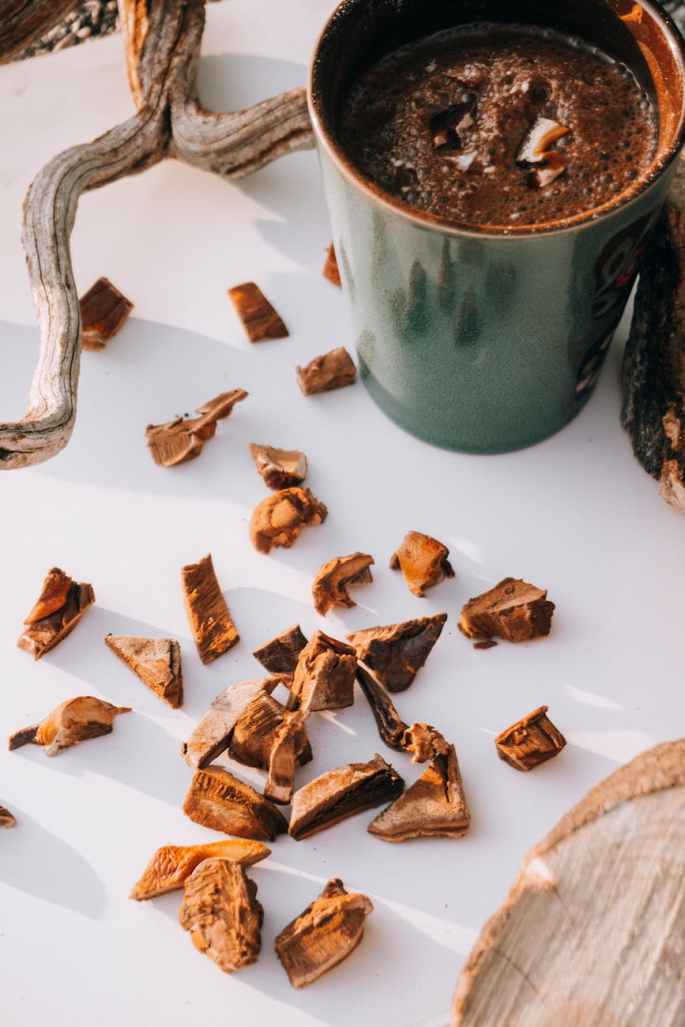
Photo by Alina Vilchenko on Pexels.com

How to Incorporate These into Your Daily Routine

Here are a few practical and sustainable ways to make these immune-supportive tools part of your everyday life:

1. Start Your Morning with Green Tea

  • Swap out your coffee for a cup of green tea to provide a steady source of EGCG, which supports immunity and metabolism.

2. Add Color to Your Plate

  • Aim for at least 3 different colors per meal: purple onions, red peppers, leafy greens, berries, or citrus fruits—all rich in flavonoids.

3. Use Herbal Teas Throughout the Day

  • Drink elderberry or echinacea teas when you feel run down or during flu season.
  • For daily stress support, sip on reishi mushroom tea or take a capsule with your evening routine.

4. Supplement Strategically

  • A daily quercetin supplement may be helpful if you have seasonal allergies or frequent inflammation.
  • Astragalus is best taken in capsule or tincture form as part of a daily wellness routine during the winter or stressful times.

5. Batch-Prep Immune Smoothies

  • Blend citrus fruits, berries, spinach, and green tea ice cubes into a smoothie to flood your system with immune-supportive compounds.

6. Cook with Immune-Friendly Spices

  • Onions, garlic, ginger, and turmeric are all rich in flavonoids and immune-boosting properties—add them liberally to soups, stir-fries, and roasted vegetables.

A Final Note

Supporting your immune system isn’t about doing one thing perfectly—it’s about creating consistent habits that promote balance and resilience. Whether you’re feeling run-down, trying to prevent illness, or just want to give your body a little extra support, herbs and flavonoids offer safe, natural options. When combined with quality sleep, a healthy diet, hydration, and stress reduction techniques, they become powerful allies in your wellness routine.

Written By: Roxanne Oliver, DNP, APRN, FNP-BC, CHHP

*The information contained in this post is for information only. It does not replace routine follow-up and/or care with a certified and licensed medical provider


References
  1. Calder, P. C. (2020). Nutrition, immunity and COVID-19. BMJ Nutrition, Prevention & Health, 3(1), 74–92. https://doi.org/10.1136/bmjnph-2020-000085
  2. Chandra, R. K. (1997). Nutrition and the immune system: An introduction. The American Journal of Clinical Nutrition, 66(2), 460S–463S. https://doi.org/10.1093/ajcn/66.2.460S
  3. Liu, R. H. (2013). Health-promoting components of fruits and vegetables in the diet. Advances in Nutrition, 4(3), 384S–392S. https://doi.org/10.3945/an.112.003517
  4. Liao, Y., Shen, W., & Shen, D. (2018). Reishi mushroom and immunity. Frontiers in Pharmacology, 9, 689. https://doi.org/10.3389/fphar.2018.00689
  5. Zakay-Rones, Z., Thom, E., Wollan, T., & Wadstein, J. (2004). Randomized study of the efficacy and safety of oral elderberry extract in the treatment of influenza A and B virus infections. The Journal of International Medical Research, 32(2), 132–140. https://doi.org/10.1177/147323000403200205
  6. Wu, D., Lewis, E. D., Pae, M., & Meydani, S. N. (2019). Nutritional modulation of immune function: Analysis of evidence, mechanisms, and clinical relevance. Frontiers in Immunology, 9, 3160. https://doi.org/10.3389/fimmu.2018.03160
  7. Nair, M. P., Mahajan, S., Reynolds, J. L., Aalinkeel, R., Nair, H., Schwartz, S. A., & Kandaswami, C. (2006). The flavonoid quercetin inhibits proinflammatory cytokine expression by suppressing the NF-κB pathway. Clinical and Vaccine Immunology, 13(3), 319–328. https://doi.org/10.1128/CDLI.13.3.319-328.2006
  8. Li, X., Qu, L., Dong, Y., Han, L., Liu, E., Fang, S., & Zhang, Y. (2014). A review of recent research progress on the astragalus genus. Molecules, 19(11), 18850–18880. https://doi.org/10.3390/molecules191118850
  9. Heinrich, M., & Teoh, H. L. (2004). Galanthamine from snowdrop—the development of a modern drug against Alzheimer’s disease from local Caucasian knowledge. Journal of Ethnopharmacology, 92(2–3), 147–162. https://doi.org/10.1016/j.jep.2004.02.012
  10. Singh, R., Ahmed, S., Islam, N., & Kumar, S. (2021). Role of dietary flavonoids in modulation of the immune system. Nutrition & Food Science, 51(3), 526–540. https://doi.org/10.1108/NFS-01-2021-0007

The Power of Intermittent Fasting (IF): Your Guide to Incorporating an IF Lifestyle

Intermittent fasting (IF) has garnered significant attention in the wellness community for its potential health benefits. By alternating periods of eating and fasting, IF promises to aid in weight loss, improve metabolic health, and enhance overall well-being. I have personally found that incorporating an intermittent fasting plan that is individualized makes a huge difference during times of weight loss plateaus and when the food noise feels out of control. This blog post delves into the different types of intermittent fasting, the cellular mechanisms at play, the latest research on its efficacy, its suitability for different individuals, pros and cons, contraindications, signs of its effectiveness, and practical tips for incorporating it into your lifestyle.

Types of Intermittent Fasting

There are a few different types of IF that you may hear about in research and/or on social media platforms. I always caution my patients that although these are fairly set plans, there is always room to individualize them to meet your needs. No matter what type you choose, it needs to be something that you can do consistently and that fits your lifestyle to promote success. Some of the more popular types include:

  1. 16/8 Method: This method involves fasting for 16 hours and eating within an 8-hour window. For example, eating only between 12 PM and 8 PM.
  2. 5:2 Diet: This approach involves eating normally for five days a week and restricting calorie intake to 500-600 calories on the other two days. On the reverse side, some individualize this and eat a 16/8 IF on weekdays and allow more flexibility on the weekend days.
  3. Eat-Stop-Eat: This involves fasting for 24 hours once or twice a week.
  4. Alternate-Day Fasting: Alternating between days of normal eating and days of fasting or significantly reduced calorie intake.
  5. Warrior Diet: Involves eating small amounts of raw fruits and vegetables during the day and a large meal at night, typically within a 4-hour window.

No matter what type you choose, it needs to be something that you can do consistently and that fits your lifestyle to promote success.

How Intermittent Fasting Works on a Cellular Level

There are many benefits of IF on a cellular and metabolic level. Some of the key benefits include:

  • Glucose and Insulin: During fasting, blood glucose levels drop, leading to decreased insulin secretion. Lower insulin levels facilitate the breakdown of fat for energy. This process can improve insulin sensitivity over time.
  • Autophagy: Fasting triggers autophagy, a cellular cleanup process where cells remove damaged components and regenerate new ones. This can enhance cellular function and longevity.
  • Hormones: Fasting affects several hormones, including ghrelin (hunger hormone), leptin (satiety hormone), and norepinephrine (which increases metabolic rate). These hormonal changes can reduce appetite and increase fat burning.

Additionally, IF can promote consistency in one’s eating schedule and remove the stress of figuring out when to eat something. This is commonly an overlooked aspect when a person begins any lifestyle change. The stress of knowing where to start can be overwhelming. If you only have to worry about eating 8 hours out of the day that can be a significant stress reducer for some.

Latest Research on Intermittent Fasting

Recent studies indicate that intermittent fasting can be effective for weight loss and improving metabolic health. Research shows potential benefits such as reduced inflammation, improved brain health, and extended lifespan in animal studies. However, human studies are still evolving, and long-term effects need more exploration. Notably, IF has shown promise in improving cardiovascular health by reducing risk factors such as hypertension and high cholesterol levels.

Suitability and Efficacy

Intermittent fasting can be suitable for many people, particularly those looking to lose weight or improve metabolic health. However, it’s essential to approach it with caution and preferably under medical supervision if you have underlying health conditions. IF might not be suitable for:

  • Pregnant or breastfeeding women
  • Individuals with a history of eating disorders
  • Those with certain medical conditions such as diabetes, unless closely monitored by a healthcare provider (A continuous glucose monitor (CGM) can be a wonderful tool for someone that is a diabetic so that blood glucose can be monitored closely).
  • Those with chronic stress and/or anxiety.
  • History of eating disorders

Pros and Cons of Intermittent Fasting

As with any lifestyle change, it is always important to weight the pros and cons. For some, IF works very well and the benefits are plentiful, whereas, for others it increases stress and just doesn’t work for them. At the end of the day, remember that you can always individualize your plan and make adjustments along the way if need be. Some of the pros and cons of IF include:

Photo by picjumbo.com on Pexels.com

Pros:

  • Potential for weight loss and fat loss
  • Improved insulin sensitivity and metabolic health
  • Enhanced brain function and neuroprotection
  • Simplified eating schedules

Cons:

  • Initial adjustment period can be challenging
  • Possible side effects like headaches, dizziness, or irritability
  • Social and lifestyle constraints due to eating windows

Signs of Effective Intermittent Fasting

Everyone likes results. So how do you know if IF is working for you? Again, I feel its important to reiterate that everything should be individualized. Knowing if intermittent fasting is working for you can be observed through:

  • Steady weight loss and fat reduction
  • Improved energy levels and mental clarity
  • Better blood sugar and insulin levels
  • Reduced cravings and improved appetite control

Its always important to know what your goals are so that when you incorporate something new, like IF, you can measure if it is working for you. When I use IF, it is typically to break a cycle of bad cravings (usually around Thanksgiving/Christmas time!). I know that IF is working for me when I feel in control of my eating choices and my food noise isn’t driving me crazy.

Incorporating Intermittent Fasting into Your Lifestyle

So how do you incorporate IF into your daily lifestyle? Here are some tips I have learned along the way to ensure my success:

  1. Start Slowly: Begin with a method like 16/8 and gradually increase fasting periods as your body adapts.
  2. Stay Hydrated: Drink plenty of water and non-caloric beverages during fasting periods.
  3. Balanced Diet: Focus on nutrient-dense foods during eating windows to ensure adequate nutrition.
  4. Listen to Your Body: Pay attention to how your body responds and adjust your fasting schedule as needed.
  5. Consistency: Like any dietary change, consistency is key to seeing results.
Photo by Jenna Hamra on Pexels.com

Let’s bring it all together!

Intermittent fasting can be a powerful tool for improving health and wellness when done correctly. By understanding the different types of IF, how it works on a cellular level, and its potential benefits and drawbacks, you can make an informed decision about incorporating it into your lifestyle. Always consult with a healthcare provider before starting any new dietary regimen, especially if you have underlying health conditions. With the right approach, intermittent fasting can be a sustainable and effective strategy for achieving your health goals.

Written By: Roxanne Oliver, DNP, APRN, FNP-BC

*The information contained in this post is for information only. It does not replace routine follow-up and/or care with a certified and licensed medical provider

References

Anton, S. D., Moehl, K., Donahoo, W. T., Marosi, K., Lee, S. A., Mainous, A. G., … & Mattson, M. P. (2018). Flipping the metabolic switch: Understanding and applying the health benefits of fasting. Obesity, 26(2), 254-268. https://doi.org/10.1002/oby.22065

Harvie, M. N., & Howell, A. (2017). Could intermittent energy restriction and intermittent fasting reduce cancer risk? A review of evidence and clinical potential. Molecular and Cellular Endocrinology, 455, 3-12. https://doi.org/10.1016/j.mce.2017.07.027

Longo, V. D., & Panda, S. (2016). Fasting, circadian rhythms, and time-restricted feeding in healthy lifespan. Cell Metabolism, 23(6), 1048-1059. https://doi.org/10.1016/j.cmet.2016.06.001

Mattson, M. P., Longo, V. D., & Harvie, M. (2017). Impact of intermittent fasting on health and disease processes. Ageing Research Reviews, 39, 46-58. https://doi.org/10.1016/j.arr.2016.10.005

Patterson, R. E., Laughlin, G. A., LaCroix, A. Z., Hartman, S. J., Natarajan, L., Senger, C. M., … & Marinac, C. R. (2015). Intermittent fasting and human metabolic health. Journal of the Academy of Nutrition and Dietetics, 115(8), 1203-1212. https://doi.org/10.1016/j.jand.2015.02.018

Sutton, E. F., Beyl, R., Early, K. S., Cefalu, W. T., Ravussin, E., & Peterson, C. M. (2018). Early time-restricted feeding improves insulin sensitivity, blood pressure, and oxidative stress even without weight loss in men with prediabetes. Cell Metabolism, 27(6), 1212-1221.e3. https://doi.org/10.1016/j.cmet.2018.04.010

Tinsley, G. M., & La Bounty, P. M. (2015). Effects of intermittent fasting on body composition and clinical health markers in humans. Nutrition Reviews, 73(10), 661-674. https://doi.org/10.1093/nutrit/nuv041

Varady, K. A. (2011). Intermittent versus daily calorie restriction: Which diet regimen is more effective for weight loss? Obesity Reviews, 12(7), e593-e601. https://doi.org/10.1111/j.1467-789X.2011.00873.x

Wilkinson, M. J., Manoogian, E. N., Zadourian, A., Lo, H., Fakhouri, S., Shoghi, A., … & Panda, S. (2020). Ten-hour time-restricted eating reduces weight, blood pressure, and atherogenic lipids in patients with metabolic syndrome. Cell Metabolism, 31(1), 92-104.e5. https://doi.org/10.1016/j.cmet.2019.11.004

Zehtabchi, S., Sinert, R., Kish, K., & Mattu, A. (2020). Fasting and metabolism: The biology of intermittent fasting. Emergency Medicine Clinics of North America, 38(1), 1-12. https://doi.org/10.1016/j.emc.2019.09.002

Foundations of Health: A Holistic Approach to Wellness and Weight Management

In our fast-paced world, achieving and maintaining a sense of wellness and (especially) a healthy weight is often framed in terms of diet and exercise alone. There were many times during my own wellness journey that I was told to “just cut some calories” and “run more if you want to lose weight”. However, I discovered that true wellness encompasses much more. A holistic approach to health considers various foundational elements that include: water, food, exercise, air, sunlight, rest, energy, and spirituality. Each of these components plays a critical role in overall wellness that, ultimately, leads to better weight management. Let’s explore how they interconnect and how you can incorporate them into your daily life for optimal health.

Water: The Elixir of Life

Water (not coffee, juice, or soda—they don’t count!) is essential for every cellular function in our bodies. It aids in digestion, nutrient absorption, and waste elimination. Proper hydration can boost metabolism, making it easier to maintain a healthy weight. Aim to drink at least half your body weight in ounces of water daily. Start your day with a glass of water and carry a refillable bottle to stay hydrated throughout the day. I am a huge fan of my Stanley cup and make it my goal to drink (2) full Stanley cups (40oz each) per day. Be creative with your water too. I like to add fruit, herbal teas, organic flavor packets, and minerals. However you decide to get your water in, just make sure that you are drinking clean water that is free of harmful chemicals (and sugars) if utilizing a flavor packet.

Food: Nourishment and Fuel

The food we consume is the fuel that powers our bodies. A diet rich in whole foods—fruits, vegetables, lean proteins, and whole grains—provides essential nutrients that support metabolic function and overall health. Avoid processed foods high in sugars and unhealthy fats, which can lead to weight gain and chronic health issues. Instead, focus on balanced meals that include a variety of colorful, nutrient-dense foods. I always tell my kids to “eat the rainbow”. This is not only what our bodies need, but always makes cooking fun!

Exercise: Movement for Life

Regular physical activity is crucial for maintaining a healthy weight and overall wellness. Exercise not only burns calories but also builds muscle, improves cardiovascular health, and boosts mood through the release of endorphins. Incorporate a mix of aerobic exercises, strength training, and flexibility workouts like yoga into your routine. Aim for at least 150 minutes of moderate-intensity exercise each week. I won’t get on my soapbox in this post, but it is also important to remember that exercise should be something you enjoy verses something that completely stresses your body out. If your body is completely stressed out because of what you are doing and/or because you are working out to much or too often, then your stress hormones will elevate. This then can cause an increase in inflammation which can throw your hormones off and cause rebound weight gain. I had to learn this the hard way on my journey as I was an avid runner, but became frustrated when I couldn’t get passed 180lbs. It sounded counterintuitive at the time, but decreasing my weekly runs to two times per week (<30 min each time) and adding in two weight training days (15 min each) and daily yoga (10-15 min each time) made all the difference for me.

Photo by Nathan Cowley on Pexels.com

Air: The Breath of Wellness

Clean air is vital for our respiratory health and overall well-being. I’m not just talking about tossing that tobacco habit either. Pollution and toxins can impair lung function and increase the risk of various diseases. Practice deep breathing exercises to improve lung capacity and reduce stress. Spend time in nature where air quality is generally better, and consider using air purifiers in your home to maintain a clean indoor environment. In my house, we have an air purify and/or salt lamp in every room to help cleanse the air. I have also made deep breathing and meditation a daily morning habit that has done wonders for my stress levels.

Sunlight: The Natural Energizer

Sunlight is a natural source of vitamin D, which is essential for bone health, immune function, and mood regulation. Exposure to sunlight helps regulate our circadian rhythms, improving sleep quality and energy levels. Aim for at least 15-30 minutes of sunlight exposure each day, preferably first thing in the morning. Protect your skin with appropriate clothing and sunscreen to prevent overexposure. This is especially important for those that live in the northern parts of the U.S. where our sunlight exposure is somewhat limited at times.

Rest: The Rejuvenator

Quality sleep is fundamental to health and weight management. During sleep, our bodies repair tissues, consolidate memories, and regulate hormones that control hunger and metabolism. Aim for 7-9 hours of sleep each night. Establish a regular sleep schedule, create a restful environment, and practice good sleep hygiene by avoiding screens before bedtime. I also find it helpful to take breaks during the day. Many times our busy lives force us to work through lunch breaks. I would encourage you to not do that if possible. Take those breaks as a time to decompress, deep breathe, and re-center yourself. Rest isn’t just about sleeping at night. It’s also about finding that those quite moments where we can bring our mind back into the present and just be.

Energy: The Vital Force

Our bodies operate on a complex system of energy derived from food, sleep, and our environment. Maintaining balanced energy levels throughout the day supports productivity, mood, and physical activity. Monitor your energy patterns and adjust your lifestyle to include regular meals, hydration, exercise, and relaxation techniques to keep your energy steady. Sometimes we need to have our energy unblocked and/or reset by enjoying a massage and/or by doing an acupuncture session. Lymph support is also important for proper energy flow, so incorporating sauna sessions, rebounding, etc… can also be helpful.

Spirituality: The Inner Connection

Spirituality can provide a sense of purpose, reduce stress, and enhance overall well-being. I cannot stress enough that this doesn’t necessarily mean religion; it can be any practice that brings you peace and connection, such as meditation, yoga, or spending time in nature. Spiritual practices can help you stay grounded, reduce emotional eating, and foster a positive mindset towards your health journey. My relationship with Christ has not been centered around a church membership, but rather it has been centered around me finding my purpose in Him and personally growing to meet that purpose. This has been an aspect of my journey that has been so important as I had to realize that my value was more than my weight. I had a higher purpose in life than to be skinny and look great in a bathing suit. Sometimes spirituality is about bringing perspective verses adding in another set of rules for our life.

Photo by Lucas Pezeta on Pexels.com

Integrating the Foundations into Daily Life

So how do you incorporate the foundations of health? I will be the first to say that how you incorporate them should fit you and your lifestyle. They should not cause extra stress, but should create a sense of freedom. I always tell my patients that I hate fad diets because so many of them are made as a one-size fits all. We are all different so that doesn’t even make sense. So here is a starting point on how you can integrate them into your daily routine. Try a couple and see if they work for you.

  1. Morning Routine: Start your day with a glass of water, a nutritious breakfast, and some sunlight exposure.
  2. Daily Movement: Incorporate regular physical activity, whether it’s a morning jog, a yoga session, or an evening walk.
  3. Mindful Eating: Focus on whole, nutrient-dense foods and avoid processed options. Practice mindful eating by paying attention to hunger and fullness cues.
  4. Hydration: Keep a water bottle with you and sip throughout the day.
  5. Clean Air: Spend time outdoors in nature and ensure your indoor spaces are well-ventilated.
  6. Restful Sleep: Establish a calming nighttime routine to ensure quality sleep.
  7. Energy Balance: Listen to your body and adjust your activities and diet to maintain balanced energy levels. Go enjoy that massage you’ve been needing!
  8. Spiritual Practices: Incorporate activities that nourish your spirit, such as meditation, prayer, or connecting with nature.

By embracing these foundations of health, you create a comprehensive approach to wellness that goes beyond weight loss. This holistic lifestyle not only supports your physical health but also enhances your mental, emotional, and spiritual well-being, leading to a more balanced and fulfilling life.

I would love to hear any questions you may have and/or any topics you would like me to cover. Feel free to leave comments below!

Written By: Roxanne Oliver, DNP, APRN, FNP-BC

Published: 06/24/2024

*The information contained in this post is for information only. It does not replace routine follow-up and/or care with a certified and licensed medical provider.

References

  1. Armstrong, L. E. (2007). Assessing hydration status: The elusive gold standard. Journal of the American College of Nutrition, 26(sup5), 575S-584S.
  2. Ludwig, D. S. (2018). Always hungry?: Conquer cravings, retrain your fat cells, and lose weight permanently. Hachette UK.
  3. Powell, K. E., Paluch, A. E., & Blair, S. N. (2011). Physical activity for health: What kind? How much? How intense? On top of what?. Annual Review of Public Health, 32, 349-365.
  4. Schraufnagel, D. E., Balmes, J. R., Cowl, C. T., De Matteis, S., Jung, S. H., Mortimer, K., … & Thurston, G. D. (2019). Air pollution and noncommunicable diseases: A review by the Forum of International Respiratory Societies’ Environmental Committee, part 1: The damaging effects of air pollution. Chest, 155(2), 409-416.
  5. Holick, M. F. (2007). Vitamin D deficiency. New England Journal of Medicine, 357(3), 266-281.
  6. Irwin, M. R. (2015). Why sleep is important for health: a psychoneuroimmunology perspective. Annual Review of Psychology, 66, 143-172.
  7. Sapolsky, R. M. (2004). Why zebras don’t get ulcers: The acclaimed guide to stress, stress-related diseases, and coping. Macmillan.
  8. Koenig, H. G. (2012). Religion, spirituality, and health: The research and clinical implications. ISRN psychiatry, 2012.
  9. Penedo, F. J., & Dahn, J. R. (2005). Exercise and well-being: a review of mental and physical health benefits associated with physical activity. Current Opinion in Psychiatry, 18(2), 189-193.
  10. Figueroa, S., Sanchez-Romero, L. M., & Amigo, H. (2020). Water, hydration and health. Nutrients, 12(2), 303.

My Wellness Journey: From 254lbs to 120lbs

This month marks the 9th anniversary of when I made a promise to myself that I would not give up on myself. In 2015, my life wasn’t where I wanted it to be physically and mentally. I had a great career and a wonderful, supportive family, but my ability to enjoy life felt limited. As a Family Nurse Practitioner, I was expected to promote health and wellness, yet I felt like a total hypocrite discussing this. My endocrinologist informed me that I would struggle with my weight forever due to Type II Diabetes and the absence of my thyroid, which was removed in 2010 following a Papillary Thyroid cancer diagnosis. At my heaviest, I weighed 254lbs and struggled to even play with my young children. I knew I had to make a change for myself and for my family. I always tell people I felt like I was trapped inside a body that I knew could be so much more.

Determined to improve my health, I turned to Beachbody (I really can’t say enough good things about this company!). This program provided a structured approach that I desperately needed at the time. That’s the hardest part, right? Where do you start when something is completely new to you?Through portion control and dedicated workouts, particularly the 22 Minute Hard Core program, I managed to lose 50lbs. I was so proud of this as I did it on my own. However, my progress was not without setbacks and I eventually found myself in pain and in a plateau. I developed persistent sciatica, which hindered my ability to be active and even pick up my kids at times.

In search of relief, I discovered yoga. The impact was so profound that I earned my 200-hour yoga certification and began teaching at a local gym. Embracing yoga introduced me to the Ayurvedic lifestyle, which further improved my eating habits and overall wellness. This phase of my life helped me shed an additional 20lbs, and made my sciatica almost non-existent. Despite this, I eventually found myself stuck in another plateau at 180lbs. I always tell people this plateau was the most frustrating as I had come so far but struggled mentally that I wasn’t doing enough. My mental health and confidence also took another hit as I also began dealing with loose skin at this point. Anybody that has dealt with loose skin can attest to how hard it is to deal with not just the physical concerns that loose skin causes but also the mental and emotional concerns. I needed a better option.

To address the loose skin and enhance my confidence, I opted for a tummy tuck. This surgery was life-changing. It not only improved my physical appearance and back health but also boosted my mental well-being and workout efficiency. I cannot say enough positives about getting a tummy tuck. Although it is not for everyone and is definitely NOT a painless surgery, it was well worth it. Despite these improvements, I remained at a weight plateau.

Seeking further assistance, I consulted a certified weight loss doctor who prescribed Ozempic. This medication helped me break through my plateau, leading to better blood sugar control and no more insulin. However, I experienced a significant loss of muscle mass, a trade-off that I will delve into in future posts. With the help of medications (Ozempic/Wegovy/Mounjaro), I reached 140lbs but then faced another plateau for over a year.

At the start of 2024, frustrated and aware that something was off with my hormones, I sought the help of a naturopath. My stress levels were sky high due to work stress, my sleep left much to be desired, my poor husband wasn’t sure what mood I would be in each day, and my weight loss was stagnant. It was at this point, a food intolerance test revealed that dairy was a major issue for me. Eliminating dairy from my diet was transformative: my migraines disappeared, my skin and hair improved, my sleep quality increased, and my inflammatory markers normalized for the first time ever! Finally, I broke through my plateau and reached my goal weight of 120lbs by summer.

From 2016 to now, I have lost a total of 135lbs and have achieved my best mental, emotional, physical, and spiritual health. This journey has been challenging but incredibly rewarding. It has taught me that weight loss is not just about calories in and out; it’s about finding balance and understanding your body. Through my personal journey, wellness has become my passion, and I enjoy coming alongside others to support them achieve their wellness goals. I truly believe everyone deserves to feel their best. I look forward to sharing more insights from my journey (there is just so much!) and helping others on their path to health each week in this blog.

Never give up—your wellness journey is worth every step.

Written By: Roxanne Oliver, DNP, APRN, FNP-BC

*The information contained in this post is for information only. It does not replace routine follow-up and/or care with a certified and licensed medical provider.

Nurturing Harmony Within: The Interconnection of Gut Health and Stress Management

In the bustling symphony of life, stress has become an omnipresent tune, often overpowering our mental and physical well-being. However, amidst the chaos, there lies a silent conductor orchestrating the harmony between our body and mind – our gut health. From a functional medicine and holistic perspective, the interplay between gut health and stress management unveils a profound connection that goes beyond mere digestion. Let’s embark on a journey to explore why gut health matters, its impact on stress management, and delve into actionable tips rooted in holistic practices to foster optimal gut health.

Photo by Tanja Nikolic on Pexels.com

Why Gut Health Matters:

In the intricate web of our physiology, the gut is not merely a digestive organ but a central hub of vitality and resilience. It houses trillions of microbes collectively known as the gut microbiota, intricately linked with various aspects of our health, including immunity, metabolism, and even mood regulation. When the balance of this microbiota is disrupted, often termed dysbiosis, it can pave the way for a myriad of health issues, including heightened stress response and compromised mental well-being.

Impact of Gut Health on Stress Management:

The gut-brain axis, a bidirectional communication pathway between the gut and the brain, serves as a pivotal link in understanding the profound influence of gut health on stress management. Research suggests that an imbalance in gut microbiota can trigger inflammatory responses and alter neurotransmitter production (Highly suggest reading The Mind-Gut Connection by Emeran Mayer MD), contributing to mood disorders such as anxiety and depression. Moreover, the gut microbiota plays a crucial role in regulating the hypothalamic-pituitary-adrenal (HPA) axis, the body’s central stress response system.

Benefits of Good Gut Health:

Cultivating a thriving gut ecosystem yields a plethora of benefits extending far beyond digestion. Optimal gut health can bolster immune function, enhance nutrient absorption, and promote mental clarity and emotional resilience. Moreover, it serves as a cornerstone for overall vitality and longevity, fostering a harmonious balance within the body. I have seen this occur personally in my own journey to heal my gut. I have suffered from severe migraine headaches for years. Adding in a supportive gut regimen and removing diary has left me almost completely headache-free. As a bonus, I also sleep much better now!

Navigating the Gut Terrain: Common Disruptors of Gut Health

In the intricate tapestry of gut health, numerous disruptors weave their threads, casting shadows on the delicate balance within. Hormone disruptors, prevalent in environmental toxins and certain medications, can wreak havoc on the gut microbiota, triggering inflammation and compromising gut integrity. Poor sleep habits disrupt circadian rhythms, impairing gut motility and immune function, while a diet laden with processed foods and artificial additives fuels dysbiosis and intestinal permeability. Chronic stress, a ubiquitous companion in modern life, unleashes a cascade of hormonal imbalances and inflammatory responses, disrupting gut-brain communication and exacerbating digestive woes. Environmental toxins, from pesticides to heavy metals, assail the gut’s resilience, impeding detoxification pathways and fostering microbial imbalance. Amidst this labyrinth of disruptors, cultivating awareness and embracing holistic practices become paramount in safeguarding the sanctity of gut health and nurturing vitality from within.

“Quite literally, your gut is the epicenter of your mental and physical health. If you want better immunity, efficient digestion, improved clarity and balance, focus on rebuilding your gut health.” – Kris Carr

Tips for Improving Gut Health

So how can we improve our gut health and achieve our best mental health? There are multiple options that can be incorporated into one’s daily regimen. The key is that everyone’s gut regimen should be individualized to meet their body’s needs. Some starting options to improve gut include:

  1. Foundations of Health: Nourish your body with whole, unprocessed foods rich in fiber, prebiotics, and probiotics. Embrace a diverse array of plant-based foods, fermented foods like kimchi and sauerkraut, and incorporate healthy fats such as omega-3s found in fatty fish and flaxseeds. My husband and I love adding an organic Kombucha drink to our diet a few times per week as well as a shot of organic aloe vera juice nightly.
  2. Supplements and Herbs: Supplement your diet with gut-supportive nutrients like glutamine, zinc, and vitamin D, which play crucial roles in gut integrity and immune function. Additionally, consider incorporating herbs such as ginger, peppermint, marshmallow root, slippery elm, and licorice root, renowned for their soothing properties on the digestive system. Some wonderful combination products by clean organizations include:
    • Thorne – Saccharomyces Boulardii: Saccharomyces boulardii is a beneficial yeast that has been extensively studied for its ability to support gastrointestinal health. It helps maintain a healthy balance of gut flora, supports immune function in the gut, and promotes regularity. Thorne’s Saccharomyces Boulardii supplement provides a high-quality source of this probiotic yeast.
    • Allergy Research Group – Colostrum: Colostrum is the first milk produced by mammals after giving birth, and it’s rich in immune-boosting compounds, growth factors, and antibodies. Colostrum supplements are often used to support gut health by promoting the growth of beneficial bacteria, supporting the integrity of the intestinal lining, and modulating immune function. Allergy Research Group offers a high-quality Colostrum supplement sourced from grass-fed cows. This would not be one that would be appropriate for those that have a lactose allergy.
    • DesBio – GI Synergy and Intestinal Restore: These are two of my favorites! GI Synergy and Intestinal Restore are comprehensive gastrointestinal support formulas that combines a blend of herbs, enzymes, probiotics, and nutrients to promote optimal digestive function and gut health. They both contain a variety of ingredients such as slippery elm bark, marshmallow root, DGL (deglycyrrhizinated licorice), and zinc carnosine, which work synergistically to soothe and support the gastrointestinal tract. DesBio’s GI Synergy and Intestinal Restore supplement offers a convenient all-in-one solution for individuals looking to support their gut health.
  3. Homeopathic Remedies: Explore holistic remedies like lycopodium clavatum, pulsatilla, calc carb, and china. Some great homeopathic remedies and brands include:
    • DesBio – Lycopodium Clavatum: Derived from the spores of the clubmoss plant, Lycopodium clavatum is a homeopathic remedy often used to address digestive issues such as bloating, gas, and indigestion. It’s believed to help regulate digestion and alleviate symptoms associated with imbalances in the gut microbiota.
    • Boiron – Nux Vomica: Nux vomica, derived from the seeds of the strychnine tree, is a homeopathic remedy commonly used to address digestive disturbances such as nausea, heartburn, and constipation. It’s particularly beneficial for individuals with overindulgence in rich or spicy foods, alcohol, or caffeine, helping to restore balance to the digestive system.
  4. Mindful Eating: Mindful eating is not only good for gut health and stress management, but can also help in weight control. Some examples include:
    • Savoring Each Bite: Take the time to truly appreciate the flavors, textures, and aromas of your food. Engage all your senses as you eat, noticing the colors, smells, and sounds of your meal. Chew each bite slowly and thoroughly, paying attention to the sensations of the food in your mouth. By savoring each bite, you can cultivate a deeper appreciation for your meals and become more attuned to your body’s hunger and fullness cues.
    • Eating Without Distractions: Create a peaceful eating environment free from distractions such as television, phones, or computers. Sit down at a table and focus solely on the act of eating without multitasking. Take the time to tune into your body’s hunger and satiety signals, eating slowly and mindfully. By eating without distractions, you can fully immerse yourself in the experience of eating and foster a deeper connection with your food and body.
  5. Stress Management: Prioritize stress management techniques such as regular exercise, adequate sleep, and engaging in activities that bring joy and relaxation. Practice stress-reducing rituals like journaling, spending time in nature, or connecting with loved ones to nurture emotional well-being. Incorporate mindfulness practices such as meditation, yoga, and deep breathing exercises to alleviate stress and promote gut-brain harmony.

These supplement remedies, when used as part of a holistic approach to gut health, can provide support for digestive function, promote a balanced gut microbiota, and help maintain gastrointestinal comfort. As always, it’s important to consult with a healthcare professional before starting any new supplement regimen, especially if you have underlying health conditions or are taking medications.

Bringing It All Together!

Nurturing gut health is not merely about soothing digestive woes but fostering a profound synergy between body, mind, and spirit. By honoring the intricate dance of the gut-brain axis and embracing holistic principles, we pave the way for resilience, vitality, and inner harmony amidst life’s ebbs and flows. Let us embark on this journey with reverence for the innate wisdom that resides within, nurturing the sacred bond between gut health and stress management.

Written By: Roxanne Oliver, DNP, APRN, FNP-BC

Published: 04/13/2024

*The information contained in this post is for information only. It does not replace routine follow-up and/or care with a certified and licensed medical provider.

References

  1. Guarner, F., & Malagelada, J. R. (2003). Gut flora in health and disease. The Lancet, 361(9356), 512-519. doi:10.1016/s0140-6736(03)12489-0
  2. Rea, K., Dinan, T. G., & Cryan, J. F. (2016). The microbiome: A key regulator of stress and neuroinflammation. Neurobiology of Stress, 4, 23-33. doi:10.1016/j.ynstr.2016.03.001
  3. De Filippo, C., Cavalieri, D., Di Paola, M., Ramazzotti, M., Poullet, J. B., Massart, S., … & Lionetti, P. (2010). Impact of diet in shaping gut microbiota revealed by a comparative study in children from Europe and rural Africa. Proceedings of the National Academy of Sciences, 107(33), 14691-14696. doi:10.1073/pnas.1005963107
  4. Konturek, P. C., Brzozowski, T., & Konturek, S. J. (2011). Stress and the gut: Pathophysiology, clinical consequences, diagnostic approach and treatment options. Journal of Physiology and Pharmacology, 62(6), 591-599.
  5. Gibson, P. R., & Shepherd, S. J. (2010). Evidence-based dietary management of functional gastrointestinal symptoms: The FODMAP approach. Journal of Gastroenterology and Hepatology, 25(2), 252-258. doi:10.1111/j.1440-1746.2009.06149.x
  6. Katterman, S. N., & Kleinman, B. M. (2014). Hood, mindfulness meditation, and eating: A review and guide for the practice. Journal of the Academy of Nutrition and Dietetics, 114(3), 392-402. doi:10.1016/j.jand.2013.12.026

Nourishing Your Way to Stress Relief: The Role of Nutrition in Stress Management

As we continue to focus on stress management in light of Stress Awareness Month, it’s essential to recognize that our diet plays a crucial role in managing stress levels. While stress is an inevitable part of life, how we nourish our bodies can significantly impact our ability to cope with it. This is something that I personally find fascinating and have felt the effect of in my own life. Sometimes little minor “tweaks” in our diet can make big changes that affect multiple areas in our physical, mental, and emotional health. Adopting a holistic approach to nutrition can empower us to better manage stress and promote overall well-being.

Holistic Nutrition: A Foundation for Stress Management

Holistic nutrition emphasizes the importance of nourishing the body, mind, and spirit as interconnected parts of our overall health. It goes beyond simply counting calories or focusing on individual nutrients, instead emphasizing whole, minimally processed foods that provide a broad spectrum of essential nutrients (no—it’s not just eating grass as my husband loving jokes!).

When it comes to stress management, a holistic approach to nutrition involves macronutrients, including carbohydrates, proteins, and fats. Macronutrients are essential for providing the body with energy and supporting various bodily functions. Maintaining a balanced intake of these macros is crucial for stable energy levels and mood regulation.

Let’s Talk Carbs

The recommended daily intake of carbohydrates varies depending on factors such as age, sex, activity level, and overall health goals, but a general guideline is around 45-65% of total daily calories. Complex carbohydrates, found in foods like whole grains, fruits, and vegetables, provide sustained energy and are rich in fiber, vitamins, and minerals. In contrast, simple carbohydrates, found in foods like sugary snacks, sodas, and white bread, are quickly digested and can cause rapid spikes and crashes in blood sugar levels. Frequent sugar spikes followed by crashes can cause the body to become alarmed and release stress hormones, such as Cortisol. Stress hormones are essential when we need them, but if they are too frequently used or secreted in too large amounts, they can cause decreased immune function, mental and emotional stress, adrenal fatigue, GI issues, inflammation…the list goes on! Ultimately, balance is key. We need carbs in our diet, but in moderation.

“Let food by thy medicine and medicine be thy food.” – Hippocrates
Get That Protein in

Again, the recommended daily intake of protein varies based on factors such as age, sex, activity level, and overall health goals. Generally, the average adult should aim for about 0.8-1.0 grams of protein per kilogram of body weight per day. For example, a sedentary adult weighing 70 kilograms would need approximately 56 grams of protein per day, while a more active individual or someone looking to build muscle may require slightly more. Good sources of protein include lean meats like chicken breast, fish, tofu, legumes, and dairy products such as Greek yogurt, which are vital for supporting neurotransmitter production and muscle repair. My constant mantra is “muscle eats fat”. The more muscle we can develop (and hang on to!), the more fat our body burns and the better hormone and mental stability we can achieve.

Fats Aren’t All Bad

Last, but definitely not least are fats. The recommended daily intake of fat also varies depending on factors such as age, sex, activity level, and overall health goals, but it generally ranges from 20-35% of total daily calories. When it comes to fats, it’s crucial to differentiate between good fats and bad fats. Good fats, such as monounsaturated and polyunsaturated fats found in foods like avocados, nuts, seeds, and fatty fish, are essential for physical, mental, and emotional well-being. These fats play a vital role in supporting brain function, hormone production, and cell membrane integrity, while also helping to reduce inflammation and support heart health. In contrast, bad fats, such as trans fats and excessive saturated fats found in processed foods, fried foods, and some animal products, can contribute to inflammation, heart disease, and other health issues when consumed in excess. Incorporating a variety of good fats into your diet can promote optimal health and vitality.

Photo by Polina Tankilevitch on Pexels.com
Don’t forget these essential components of a holistic diet!
  1. Fiber-Rich Foods: Fiber is known for its ability to promote digestive health and keep blood sugar levels stable. Foods rich in fiber, such as fruits, vegetables, whole grains, and legumes, can help prevent energy crashes and mood swings associated with fluctuating blood sugar levels. Fiber is also great when trying to curb those pesky cravings! The recommended amount of fiber per day ranges from 25-45g.
  2. Magnesium-Rich Foods: Magnesium is a mineral that plays a key role in regulating stress responses and promoting relaxation. Incorporating magnesium-rich foods like leafy greens, nuts, seeds, and whole grains can help support a sense of calmness and reduce anxiety. More to come on the benefits of Magnesium!
  3. B Vitamins: B vitamins are essential for converting food into energy and supporting the nervous and adrenal system. Foods such as leafy greens, legumes, whole grains, eggs, and lean meats are rich sources of B vitamins, particularly B6, B12, and folate, which are important for neurotransmitter synthesis and mood regulation.

Practical Tips for Incorporating Stress-Relieving Foods

  1. Start Your Day Right: Begin each day with a balanced breakfast that includes a mix of carbohydrates, protein, and healthy fats to fuel your body and stabilize blood sugar levels.
  2. Snack Smart: Opt for nutrient-dense snacks like nuts, seeds, Greek yogurt with berries, or sliced vegetables with hummus to keep energy levels steady throughout the day.
  3. Load Up on Leafy Greens: Incorporate leafy greens such as spinach, kale, and Swiss chard into your meals to boost your intake of magnesium and B vitamins.
  4. Choose Whole Grains: Replace refined grains with whole grains like quinoa, brown rice, oats, and barley to increase your fiber and nutrient intake.
  5. Stay Hydrated: Drink plenty of water throughout the day to stay hydrated, as dehydration can exacerbate feelings of stress and fatigue.
  6. Limit Stimulants: Reduce your intake of stimulants like caffeine and alcohol, as they can disrupt sleep patterns and contribute to feelings of anxiety.

Incorporating a variety of nutrient-dense foods into your diet can provide the essential nutrients needed to support stress management and promote overall well-being. By focusing on whole, minimally processed foods rich in fiber, magnesium, and B vitamins, you can nourish your body and mind, enabling you to better cope with life’s inevitable stressors. Remember, small changes in your diet can lead to significant improvements in your ability to manage stress and enjoy a healthier, more balanced life.

Written By: Roxanne Oliver, DNP, APRN, FNP-BC

Published: 04/13/2024

*The information contained in this post is for information only. It does not replace routine follow-up and/or care with a certified and licensed medical provider.

References

Gropper, S. S., Smith, J. L., & Carr, T. P. (2017). Advanced nutrition and human metabolism (7th ed.). Cengage Learning.

Harvard T.H. Chan School of Public Health. (n.d.). The nutrition source. https://www.hsph.harvard.edu/nutritionsource/

Mayo Clinic. (2022). Fiber: How to increase the amount in your diet. https://www.mayoclinic.org/healthy-lifestyle/nutrition-and-healthy-eating/in-depth/fiber/art-20043983

MedlinePlus. (2022). Dietary fats explained. https://medlineplus.gov/dietaryfats.html

National Institutes of Health Office of Dietary Supplements. (n.d.). Magnesium: Fact sheet for health professionals. https://ods.od.nih.gov/factsheets/Magnesium-HealthProfessional/

National Institutes of Health Office of Dietary Supplements. (n.d.). Vitamin B6: Fact sheet for health professionals. https://ods.od.nih.gov/factsheets/VitaminB6-HealthProfessional/

National Institutes of Health Office of Dietary Supplements. (n.d.). Folate: Fact sheet for health professionals. https://ods.od.nih.gov/factsheets/Folate-HealthProfessional/

United States Department of Agriculture. (2022). ChooseMyPlate. https://www.choosemyplate.gov/

Whitney, E., Rolfes, S. R., & Crowe, T. (2015). Understanding nutrition (14th ed.). Cengage Learning.