Natural Defense: How Flavonoids and Herbal Allies Can Fortify Your Immune System

A strong immune system is your best line of defense against illness, but boosting it doesn’t have to mean prescription medication or over-the-counter quick fixes. Nature has equipped us with powerful tools—flavonoids and immune-modulating herbs—that work gently yet effectively to support and balance immune function. Whether you’re looking to reduce the frequency of seasonal colds or support your body during times of stress, these natural compounds offer targeted benefits.

“A strong immune system is your best line of defense against illness…”

What Are Flavonoids?

Flavonoids are compounds found in colorful fruits, vegetables, teas, and even dark chocolate. These plant chemicals are known for their antioxidant and anti-inflammatory properties, which make them valuable players in immune health.

Some key flavonoids include:

  • Quercetin – found in apples, onions, and berries
  • EGCG – a powerful antioxidant in green tea
  • Rutin – found in citrus fruits and buckwheat
  • Myricetin – present in tomatoes, grapes, and walnuts

These flavonoids help reduce oxidative stress, improve immune cell signaling, and regulate inflammation—key factors in protecting against chronic illness and infection.

Herbal Immune Allies

Several herbs have long been used in traditional medicine and are now backed by modern research for their immune-supportive properties:

  • Elderberry (Sambucus nigra): Excellent during cold and flu season; shortens the duration and severity of viral illnesses. Great for those with frequent upper respiratory infections.
  • Astragalus: A gentle immune modulator that’s ideal for those with frequent fatigue or who feel “run down” from stress.
  • Reishi Mushroom: A calming adaptogen that supports the immune system and stress response. Ideal for those with autoimmune concerns or high levels of chronic stress.
  • Echinacea: Best used short-term at the onset of illness; can help stimulate immune response. Suitable for those with a healthy immune system who want to support it during acute illness.
  • Quercetin: Especially beneficial for individuals with allergies, chronic inflammation, or frequent colds.
  • Green Tea (EGCG): A good choice for anyone looking for a gentle, daily immune enhancer with antioxidant benefits.

Note: If you have autoimmune conditions, are on immunosuppressants, or are pregnant/breastfeeding, consult with your healthcare provider before introducing new herbs or flavonoids.

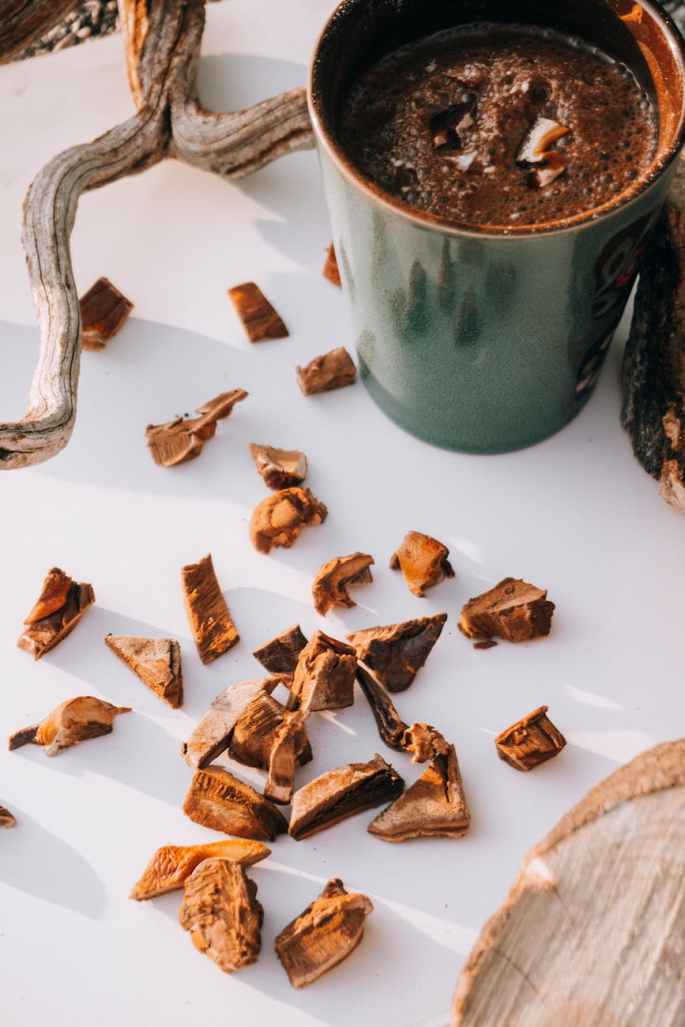
Photo by Alina Vilchenko on Pexels.com

How to Incorporate These into Your Daily Routine

Here are a few practical and sustainable ways to make these immune-supportive tools part of your everyday life:

1. Start Your Morning with Green Tea

  • Swap out your coffee for a cup of green tea to provide a steady source of EGCG, which supports immunity and metabolism.

2. Add Color to Your Plate

  • Aim for at least 3 different colors per meal: purple onions, red peppers, leafy greens, berries, or citrus fruits—all rich in flavonoids.

3. Use Herbal Teas Throughout the Day

  • Drink elderberry or echinacea teas when you feel run down or during flu season.
  • For daily stress support, sip on reishi mushroom tea or take a capsule with your evening routine.

4. Supplement Strategically

  • A daily quercetin supplement may be helpful if you have seasonal allergies or frequent inflammation.
  • Astragalus is best taken in capsule or tincture form as part of a daily wellness routine during the winter or stressful times.

5. Batch-Prep Immune Smoothies

  • Blend citrus fruits, berries, spinach, and green tea ice cubes into a smoothie to flood your system with immune-supportive compounds.

6. Cook with Immune-Friendly Spices

  • Onions, garlic, ginger, and turmeric are all rich in flavonoids and immune-boosting properties—add them liberally to soups, stir-fries, and roasted vegetables.

A Final Note

Supporting your immune system isn’t about doing one thing perfectly—it’s about creating consistent habits that promote balance and resilience. Whether you’re feeling run-down, trying to prevent illness, or just want to give your body a little extra support, herbs and flavonoids offer safe, natural options. When combined with quality sleep, a healthy diet, hydration, and stress reduction techniques, they become powerful allies in your wellness routine.

Written By: Roxanne Oliver, DNP, APRN, FNP-BC, CHHP

*The information contained in this post is for information only. It does not replace routine follow-up and/or care with a certified and licensed medical provider


References
  1. Calder, P. C. (2020). Nutrition, immunity and COVID-19. BMJ Nutrition, Prevention & Health, 3(1), 74–92. https://doi.org/10.1136/bmjnph-2020-000085
  2. Chandra, R. K. (1997). Nutrition and the immune system: An introduction. The American Journal of Clinical Nutrition, 66(2), 460S–463S. https://doi.org/10.1093/ajcn/66.2.460S
  3. Liu, R. H. (2013). Health-promoting components of fruits and vegetables in the diet. Advances in Nutrition, 4(3), 384S–392S. https://doi.org/10.3945/an.112.003517
  4. Liao, Y., Shen, W., & Shen, D. (2018). Reishi mushroom and immunity. Frontiers in Pharmacology, 9, 689. https://doi.org/10.3389/fphar.2018.00689
  5. Zakay-Rones, Z., Thom, E., Wollan, T., & Wadstein, J. (2004). Randomized study of the efficacy and safety of oral elderberry extract in the treatment of influenza A and B virus infections. The Journal of International Medical Research, 32(2), 132–140. https://doi.org/10.1177/147323000403200205
  6. Wu, D., Lewis, E. D., Pae, M., & Meydani, S. N. (2019). Nutritional modulation of immune function: Analysis of evidence, mechanisms, and clinical relevance. Frontiers in Immunology, 9, 3160. https://doi.org/10.3389/fimmu.2018.03160
  7. Nair, M. P., Mahajan, S., Reynolds, J. L., Aalinkeel, R., Nair, H., Schwartz, S. A., & Kandaswami, C. (2006). The flavonoid quercetin inhibits proinflammatory cytokine expression by suppressing the NF-κB pathway. Clinical and Vaccine Immunology, 13(3), 319–328. https://doi.org/10.1128/CDLI.13.3.319-328.2006
  8. Li, X., Qu, L., Dong, Y., Han, L., Liu, E., Fang, S., & Zhang, Y. (2014). A review of recent research progress on the astragalus genus. Molecules, 19(11), 18850–18880. https://doi.org/10.3390/molecules191118850
  9. Heinrich, M., & Teoh, H. L. (2004). Galanthamine from snowdrop—the development of a modern drug against Alzheimer’s disease from local Caucasian knowledge. Journal of Ethnopharmacology, 92(2–3), 147–162. https://doi.org/10.1016/j.jep.2004.02.012
  10. Singh, R., Ahmed, S., Islam, N., & Kumar, S. (2021). Role of dietary flavonoids in modulation of the immune system. Nutrition & Food Science, 51(3), 526–540. https://doi.org/10.1108/NFS-01-2021-0007

Top Nutrients for a Healthy Heart: Beyond the Basics

Heart disease remains the leading cause of death worldwide, but research shows that proper nutrition can play a significant role in cardiovascular health. While many people are aware of the importance of a heart-healthy diet, functional medicine takes a deeper approach by focusing on essential nutrients that go beyond just cholesterol and blood pressure management. These nutrients help reduce inflammation, optimize heart function, and support the vascular system.

This blog post explores some of the most critical nutrients for heart health, their mechanisms of action, and how to incorporate them into a daily routine.

Key Nutrients for Cardiovascular Health

1. Magnesium: The Heart’s Essential Mineral

Magnesium is one of the most important minerals for heart health, as it plays a crucial role in over 300 enzymatic reactions, including muscle function, blood pressure regulation, and vascular tone. Studies suggest that magnesium deficiency is linked to hypertension, arrhythmias, and an increased risk of cardiovascular disease (DiNicolantonio et al., 2021).

  • Benefits: Helps regulate heart rhythm, supports blood vessel relaxation, and lowers blood pressure.
  • Food Sources: Dark leafy greens (spinach, kale), nuts (almonds, cashews), seeds (pumpkin, flax), avocados, and whole grains.
  • Recommended Intake: 310-420 mg/day for adults (National Institutes of Health [NIH], 2023).
2. Omega-3 Fatty Acids: Reducing Inflammation & Supporting Heart Function

Omega-3 fatty acids, particularly EPA (eicosapentaenoic acid) and DHA (docosahexaenoic acid), are well-documented for their cardioprotective effects. These essential fatty acids help lower triglycerides, reduce blood clot formation, and decrease inflammation (American Heart Association [AHA], 2023).

  • Benefits: Lowers triglycerides, improves arterial flexibility, reduces inflammation, and supports heart rhythm stability.
  • Food Sources: Fatty fish (salmon, mackerel, sardines), walnuts, flaxseeds, and chia seeds.
  • Recommended Intake: 1,000–2,000 mg of combined EPA/DHA per day, or two servings of fatty fish per week (AHA, 2023).
3. Coenzyme Q10 (CoQ10): The Cellular Energy Booster

CoQ10 is a powerful antioxidant that plays a crucial role in mitochondrial energy production, especially in heart muscle cells. It also helps reduce oxidative stress and improve endothelial function, making it beneficial for individuals with hypertension, heart failure, and statin-induced muscle pain (Mortensen et al., 2020).

  • Benefits: Supports heart energy production, reduces oxidative damage, and improves circulation.
  • Food Sources: Organ meats (liver, heart), fatty fish, nuts, and seeds.
  • Recommended Intake: 100-300 mg per day, particularly for those taking statins.
4. Potassium: Essential for Blood Pressure Regulation

Potassium is vital for maintaining electrolyte balance and regulating blood pressure by counteracting sodium’s effects. High-potassium diets have been shown to reduce the risk of stroke and heart disease (Whelton et al., 2021).

  • Benefits: Helps lower blood pressure, prevents arterial stiffness, and supports normal heart rhythm.
  • Food Sources: Bananas, sweet potatoes, oranges, beans, and spinach.
  • Recommended Intake: 2,500–3,400 mg per day (NIH, 2023).
5. Vitamin K2: The Artery Protector

Vitamin K2 (menaquinone) helps regulate calcium metabolism, ensuring that calcium is deposited in bones rather than in the arteries. Research indicates that higher vitamin K2 intake is associated with reduced arterial calcification and cardiovascular disease risk (Gast et al., 2020).

  • Benefits: Prevents arterial calcification, supports blood vessel health, and enhances calcium metabolism.
  • Food Sources: Fermented foods (natto, sauerkraut), egg yolks, and grass-fed dairy.
  • Recommended Intake: 90-120 mcg per day.
6. Fiber: The Cholesterol Regulator

Dietary fiber plays a significant role in reducing LDL cholesterol, regulating blood sugar levels, and promoting gut health—all of which are critical for cardiovascular function. Soluble fiber, in particular, binds to cholesterol and prevents its absorption into the bloodstream (Mann et al., 2021).

  • Benefits: Lowers LDL cholesterol, stabilizes blood sugar, and promotes healthy gut microbiota.
  • Food Sources: Oats, legumes, apples, flaxseeds, and vegetables.
  • Recommended Intake: 25-38 grams per day.
7. Antioxidants: Combatting Oxidative Stress

Oxidative stress contributes to heart disease by damaging blood vessels and promoting inflammation. Antioxidants such as vitamin C, vitamin E, and polyphenols help neutralize free radicals and reduce cardiovascular risk (Rautiainen et al., 2019).

  • Benefits: Protects blood vessels from oxidative damage and reduces inflammation.
  • Food Sources: Berries, dark chocolate, green tea, and citrus fruits.
8. L-Arginine and Nitric Oxide: Supporting Blood Vessel Function

L-arginine is an amino acid that serves as a precursor to nitric oxide (NO), a molecule that relaxes blood vessels and improves circulation. Increasing nitric oxide levels can help lower blood pressure and enhance vascular function (Ashor et al., 2021).

  • Benefits: Improves blood flow, reduces blood pressure, and enhances exercise performance.
  • Food Sources: Turkey, chicken, nuts, seeds, and legumes.
  • Recommended Intake: 2-6 grams per day for cardiovascular support.

How to Incorporate These Nutrients into Your Diet

A functional medicine approach to heart health emphasizes whole foods, balanced nutrition, and lifestyle modifications. Here are some simple ways to ensure optimal intake of these key nutrients:

  1. Eat a variety of colorful plant-based foods to increase fiber, antioxidants, and polyphenols.
  2. Incorporate fatty fish at least twice per week to boost omega-3 levels.
  3. Limit processed foods, excessive sodium, and refined carbohydrates to reduce inflammation.
  4. Consider supplementation for key nutrients like CoQ10, magnesium, and vitamin K2 if dietary intake is insufficient.
  5. Engage in regular physical activity, manage stress, and maintain good sleep hygiene, as these factors also influence nutrient absorption and cardiovascular health.

Final Thoughts

Heart disease prevention extends beyond just managing cholesterol and blood pressure. Functional medicine highlights the importance of essential nutrients like magnesium, omega-3s, CoQ10, and fiber in supporting cardiovascular health at a cellular level. By optimizing your diet and incorporating these key nutrients, you can take a proactive, holistic approach to protecting your heart for years to come.

Written By: Roxanne Oliver, DNP, APRN, FNP-BC, CHHP

*The information contained in this post is for information only. It does not replace routine follow-up and/or care with a certified and licensed medical provider

References

American Heart Association. (2023). Omega-3 fatty acids and heart health. Retrieved from https://www.heart.org

Ashor, A. W., Lara, J., Oggioni, C., & Mathers, J. C. (2021). Effects of L-arginine supplementation on cardiovascular risk factors: A meta-analysis of randomized controlled trials. Nutrition & Metabolism, 18(1), 20-35.

DiNicolantonio, J. J., O’Keefe, J. H., & Wilson, W. (2021). Magnesium deficiency and cardiovascular disease. Open Heart, 8(1), e001792.

Gast, G. C., de Roos, N. M., & Sluijs, I. (2020). Vitamin K intake and cardiovascular disease risk. European Journal of Clinical Nutrition, 74(1), 21-27.

Mann, J., Cummings, J. H., & Swann, J. (2021). Dietary fiber and heart disease: A systematic review. The Lancet, 398(10297), 333-344.

National Institutes of Health. (2023). Magnesium fact sheet for health professionals. Retrieved from https://www.nih.gov

Let me know if you’d like additional details or modifications!