Harnessing the Power of Green Tea: A Stress-Relief Elixir and Matcha Coconut Yogurt Bowl Recipe

Stress seems to be an inevitable part of our daily lives (I know it is in mine!). From hectic work schedules to family responsibilities, it’s easy to feel overwhelmed sometimes. However, amidst the chaos, there lies a natural remedy that has been cherished for centuries: green tea. Not only does green tea offer a plethora of health benefits, but it also has the potential to significantly improve stress management. Let’s delve into the wonders of green tea and explore one of my favorite breakfast recipes for a dairy-free matcha coconut yogurt bowl that incorporates the stress-relieving properties of green tea, chia seeds, and pumpkin seeds.

The Stress-Relieving Benefits of Green Tea:

  1. L-Theanine: Green tea contains an amino acid called L-theanine, which is known for its calming effects on the mind. L-theanine promotes relaxation without causing drowsiness, making it an excellent choice for stress relief.
  2. Antioxidants: Loaded with powerful antioxidants called catechins, green tea helps combat oxidative stress in the body. These antioxidants protect cells from damage and may reduce the risk of chronic diseases as it prevents the build up of inflammation in the body.
  3. Cortisol Regulation: Cortisol, often referred to as the stress hormone, can wreak havoc on our bodies when levels are elevated for prolonged periods. Studies suggest that green tea may help regulate cortisol levels, thereby promoting a more balanced stress response (Yes please!).
  4. Improved Brain Function: The combination of caffeine and L-theanine in green tea can enhance cognitive function and improve mood. This synergistic effect helps boost alertness and concentration while keeping stress at bay.

The Nutritional Powerhouses: Pumpkin Seeds and Chia Seeds:

Pumpkin Seeds:

  • Rich in magnesium, pumpkin seeds play a vital role in relaxation and stress reduction. Magnesium helps calm the nervous system and can promote better sleep quality. This then prevents the over-secretion of cortisol.
  • High in antioxidants like vitamin E and zinc, pumpkin seeds protect cells from damage caused by oxidative stress and support overall immune function.
  • The amino acid tryptophan found in pumpkin seeds aids in the production of serotonin, a neurotransmitter that regulates mood and promotes feelings of well-being.

Chia Seeds:

  • Packed with omega-3 fatty acids, chia seeds support brain health and help reduce inflammation in the body. A healthy brain is better equipped to cope with stress.
  • High in fiber, chia seeds promote digestive health and keep blood sugar levels stable, preventing energy crashes that can exacerbate stress.
  • Chia seeds are a good source of essential minerals like calcium, magnesium, and phosphorus, which play key roles in muscle relaxation and stress management.
  • Chia seeds are also one of the highest protein seeds that you can eat, which is a great bonus if you are trying to get your protein in.

Recipe: Dairy-Free Matcha Coconut Yogurt Bowl with Chia and Pumpkin Seeds

Ingredients:

  • 1 cup dairy-free coconut yogurt (you can always use Greek yogurt, but I am dairy-free)
  • 1 teaspoon matcha powder (preferably organic to prevent chemical/additive exposure)
  • 1 tablespoon maple syrup or honey (optional, for sweetness)
  • 1 tablespoon chia seeds
  • 1 tablespoon pumpkin seeds
  • Fresh berries (such as strawberries, blueberries, or raspberries), for topping
  • 1/8-1/4 cup of granola (I like Purely Elizabeth Vanilla Almond Butter)
  • Unsweetened coconut flakes or cacao nibs, for garnish.

Instructions:

  1. In a mixing bowl, combine the dairy-free coconut yogurt, matcha powder, and maple syrup or honey (if using). Stir until the matcha powder is fully incorporated and the yogurt is smooth.
  2. Sprinkle the chia seeds and pumpkin seeds over the yogurt mixture, and gently fold them in until evenly distributed.
  3. Transfer the matcha coconut yogurt mixture to serving bowls.
  4. Top each bowl with fresh berries of your choice, granola, and a sprinkle of unsweetened coconut flakes for added flavor and texture.
  5. Serve immediately and enjoy as a nutritious and stress-relieving breakfast or snack.

By incorporating green tea, pumpkin seeds, and chia seeds into your diet, you can harness the power of nature to combat stress and promote overall well-being. Whether enjoyed in a soothing cup of tea or as part of a delicious yogurt bowl, these wholesome ingredients offer a holistic approach to stress management that nourishes both body and mind. So, take a moment to sip on some green tea and savor the tranquility it brings to your day.

Written By: Roxanne Oliver, DNP, APRN, FNP-BC

Published: 04/13/2024

*The information contained in this post is for information only. It does not replace routine follow-up and/or care with a certified and licensed medical provider.

References

  1. Boyle, Neil B., et al. “The effects of magnesium supplementation on subjective anxiety and stress—a systematic review.” Nutrients 9.5 (2017): 429.
  2. Cabrera, Carmen, Reyes Artacho, and Rafael Giménez. “Beneficial effects of green tea—a review.” Journal of the American College of Nutrition 25.2 (2006): 79-99.
  3. Coelho, Christiane Candice, et al. “Omega-3-rich chia seed (Salvia hispanica L.) oil formulations ameliorate lipid profile of dyslipidemic subjects and associated oxidative stress: a randomized, double-blind, placebo-controlled study.” Nutrients 11.2 (2019): 341.
  4. Kimura, Kenta, et al. “L-Theanine reduces psychological and physiological stress responses.” Biological psychology 74.1 (2007): 39-45.
  5. Li, Kai, et al. “Effect of pumpkin seed oil on hair growth in men with androgenetic alopecia: a randomized, double-blind, placebo-controlled trial.” Evidence-Based Complementary and Alternative Medicine 2014 (2014).
  6. Nieman, David C., et al. “Chia seed supplementation and disease risk factors in overweight women: a metabolomics investigation.” Journal of Alternative and Complementary Medicine 24.3 (2018): 293-299.
  7. Unno, Keiko, et al. “Anti-stress effect of green tea with lowered caffeine on humans: A pilot study.” Biological psychology 74.1 (2007): 39-45.
  8. Wang, H., N. F. Lucas, and P. N. Weil. “Pumpkin seed extracts and proteins: embryotoxicity and oxytocin-like effects.” Journal of ethnopharmacology 6.1 (1982): 201-208.
Harnessing the Power of Adaptogens for Stress Management and Beyond

In the fast-paced world we live in today, stress has become an almost inevitable part of our daily lives. Whether it’s the pressure at work, personal relationships, or the constant barrage of information, stress can take a toll on our physical and mental well-being. However, amidst the chaos, there lies a natural solution that has been utilized for centuries in various traditional medicine practices – adaptogens.

What Are Adaptogens?

Adaptogens are a unique class of herbs and mushrooms that help the body adapt to stressors, whether they are physical, chemical, or biological. These natural substances work by modulating the body’s stress response system, helping to restore balance and promote overall health and vitality. Unlike stimulants, adaptogens don’t push the body into overdrive (unlike coffee); instead, they work in a subtle and gentle manner to support the body’s natural resilience.

Common Examples of Adaptogens:

  1. Ashwagandha: Originating from traditional Ayurvedic medicine, ashwagandha is known for its ability to promote relaxation and reduce stress. It helps to balance cortisol levels, the hormone associated with stress, and supports overall adrenal health.
  2. Rhodiola Rosea: Native to the arctic regions of Europe and Asia, rhodiola is prized for its adaptogenic properties. It enhances mental performance, improves mood, and boosts endurance, making it a valuable ally in combating stress and fatigue.
  3. Holy Basil (Tulsi): Revered as a sacred plant in Ayurveda, holy basil is renowned for its ability to promote mental clarity and emotional well-being. It helps to reduce anxiety, uplift mood, and enhance resilience to stress. It can even help balance blood sugars!
  4. Reishi Mushroom: A staple in traditional Chinese medicine, reishi mushroom is often referred to as the “mushroom of immortality.” It supports the body’s natural defense mechanisms, strengthens the immune system, and promotes relaxation.
Where do you start?

Sometimes the hardest step in integrating adaptogens is knowing what brand to choose. It is always very important to research companies and the quality of ingredients that they use. It is counterintuitive to add adaptogens to your daily routine if they do not contain pure ingredients and/or contain additives, preservatives, heavy metals, etc… Some brands worth using include:

  1. Integrative Therapeutics Cortisol Manager: This popular supplement combines ashwagandha, L-theanine, magnolia bark, and phosphatidylserine to support healthy cortisol levels and promote relaxation. It’s a well-researched formula trusted by many for stress management. This is a personal favorite of mine that I use daily in the evenings before bed. Integrative Therapeutics is a tried and true brand with quality supplements.
  2. Gaia Herbs Adrenal Health Daily Support: Formulated with a blend of adaptogenic herbs including rhodiola, holy basil, and ashwagandha, this supplement helps to nourish and support the adrenal glands, promoting resilience to stress and fatigue.
  3. Allergy Research Group Zen Adapt: Crafted by Allergy Research Group, Zen Adapt is a premium adaptogenic supplement designed to promote relaxation and stress resilience. This unique formula combines a blend of adaptogenic herbs, including rhodiola, ashwagandha, as well as GABA and L-theanine, to support the body’s natural stress response. With a focus on purity and potency, Allergy Research Group ensures that Zen Adapt delivers high-quality ingredients backed by rigorous testing and research. Trusted by healthcare practitioners and wellness enthusiasts alike, Zen Adapt offers a gentle yet effective solution for managing stress and promoting overall well-being.
  4. Four Sigmatic Reishi Mushroom Elixir: Four Sigmatic specializes in mushroom-based supplements, and their Reishi Mushroom Elixir is a popular choice for stress management and relaxation. Made with organic reishi mushroom extract, this elixir can be easily added to hot water or your favorite beverage for a calming and immune-supporting boost. They also make fantastic coffee if you haven’t tried it!

As always, no matter what supplement is chosen, always follow package instructions. I also like to track how I feel for a couple days to a week whenever trying something new. This can help you discern if what you are taking is truly helping. Additionally, it is always good to consult with a licensed and certified medical practitioner if you have medical conditions and/or if you are taking other medications.

Adding Adaptogens into your diet

Integrating adaptogens does not always mean you have to add a supplement. Integrating adaptogens into your diet can be a delicious and convenient way to harness their stress-relieving and health-promoting benefits. Here are some ways to incorporate adaptogens into your daily meals and snacks:

  1. Herbal Teas: Brew a soothing cup of herbal tea infused with adaptogenic herbs like ashwagandha, holy basil, or licorice root. You can either use loose herbs or opt for pre-packaged herbal tea blends designed to promote relaxation and stress relief. My go to is Buddha Teas; specifically the Calm Buddha Blend.
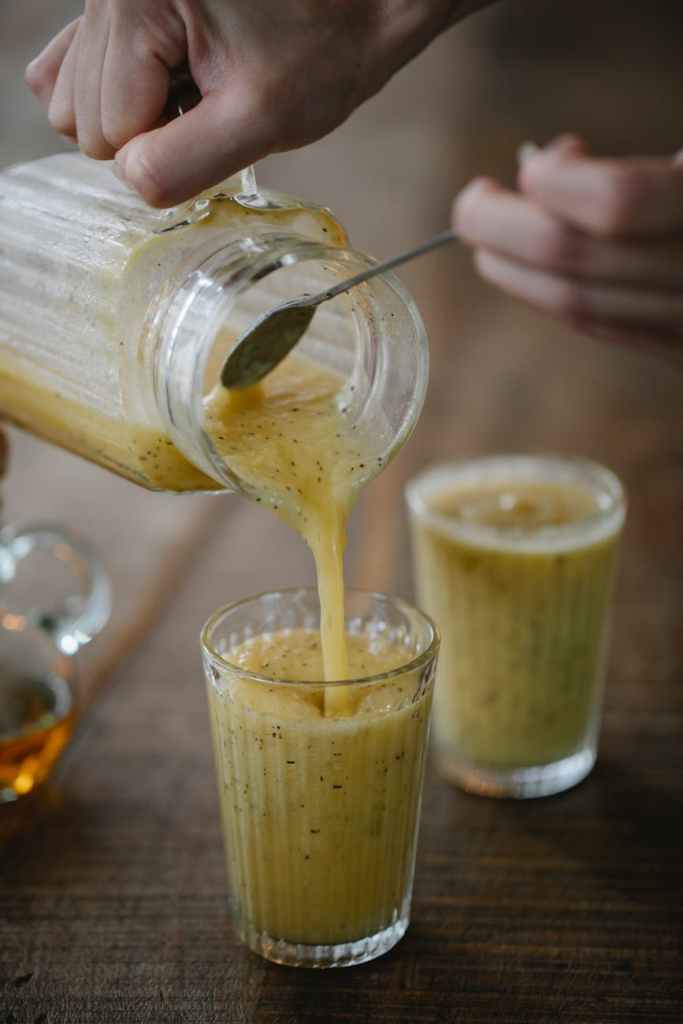
  2. Smoothies: Add adaptogenic powders or tinctures to your morning smoothie for an extra boost of stress-busting goodness. Ingredients like ashwagandha powder, maca root powder, or rhodiola extract can easily be blended with fruits, leafy greens, and your choice of liquid for a nutritious and energizing beverage.
  3. Golden Milk: Golden milk, also known as turmeric latte, is a warming and comforting drink made with turmeric, spices, and milk (or a dairy-free alternative). Enhance its stress-relieving properties by adding adaptogens like ashwagandha powder or reishi mushroom extract for a soothing bedtime treat.
  4. Energy Balls: Whip up a batch of homemade energy balls or bars using adaptogenic ingredients like dates, nuts, seeds, and adaptogen powders such as maca or ashwagandha. These convenient snacks provide a quick and nourishing way to combat stress and boost energy levels throughout the day. This is my favorite option as they make for quick on-the-go snack!
  5. Soups and Stews: Incorporate adaptogenic herbs and mushrooms into your favorite soups and stews for a comforting and immune-supporting meal. Reishi mushrooms, astragalus root, and holy basil can add depth of flavor and health benefits to hearty dishes like chicken soup or vegetable stew.
  6. Salad Dressings: Create homemade salad dressings infused with adaptogenic herbs like rosemary, thyme, or sage. These aromatic herbs not only enhance the flavor of your salads but also provide antioxidant and anti-inflammatory benefits to support overall health and well-being. I find a lot of recipes on Pinterest that are easy to make and spruce up a salad in no time!
  7. Infused Oils and Vinegars: Make your own infused oils and vinegars using adaptogenic herbs and spices like garlic, ginger, or turmeric. Use these flavorful infusions to dress salads, marinate meats, or drizzle over roasted vegetables for a tasty and healthful addition to your meals.
Photo by Charlotte May on Pexels.com
Health Benefits Beyond Stress Management:

While adaptogens are widely known for their ability to support stress management, their benefits extend far beyond just that and are too good not to mention here. They include:

  1. Improved Energy and Stamina: Adaptogens help to optimize energy levels by supporting the body’s natural energy production pathways, making them valuable allies for combating fatigue and promoting vitality.
  2. Enhanced Mental Clarity and Focus: By reducing stress and supporting cognitive function, adaptogens can improve mental clarity, concentration, and overall cognitive performance.
  3. Balanced Mood and Emotional Well-being: Adaptogens have mood-regulating properties that help to reduce anxiety, uplift mood, and promote emotional balance, enhancing overall well-being.
  4. Immune System Support: Many adaptogens possess immune-modulating properties that help to strengthen the body’s natural defense mechanisms, making them valuable for maintaining immune health, especially during times of increased stress.

“Integrating adaptogens does not always mean you have to add a supplement. Integrating adaptogens into your diet can be a delicious and convenient way to harness their stress-relieving and health-promoting benefits.”

By incorporating adaptogens into your diet in creative and delicious ways, you can support your body’s natural resilience to stress and promote overall well-being from the inside out. Experiment with different adaptogenic herbs and recipes to discover what works best for you and enjoy the soothing benefits of these powerful botanicals. Whether it’s ashwagandha, rhodiola, holy basil, or reishi mushroom, incorporating adaptogens into our daily routine can be a transformative step towards a healthier and more resilient life.

Written By: Roxanne Oliver, DNP, APRN, FNP-BC

Published: 04/09/2024

*The information contained in this post is for information only. It does not replace routine follow-up and/or care with a certified and licensed medical provider.

References

  1. Kennedy, D. O., & Wightman, E. L. (2011). Herbal extracts and phytochemicals: Plant secondary metabolites and the enhancement of human brain function. Advances in Nutrition, 2(1), 32–50. https://doi.org/10.3945/an.110.000117
  2. Lopresti, A. L., Smith, S. J., Malvi, H., & Kodgule, R. (2019). An investigation into the stress-relieving and pharmacological actions of an ashwagandha (Withania somnifera) extract: A randomized, double-blind, placebo-controlled study. Medicine, 98(37), e17186. https://doi.org/10.1097/md.0000000000017186
  3. Mishra, L. C., Singh, B. B., & Dagenais, S. (2000). Scientific basis for the therapeutic use of Withania somnifera (ashwagandha): A review. Alternative Medicine Review, 5(4), 334–346.
  4. Panossian, A., & Wikman, G. (2009). Evidence-based efficacy of adaptogens in fatigue, and molecular mechanisms related to their stress-protective activity. Current Clinical Pharmacology, 4(3), 198–219. https://doi.org/10.2174/157488409789375311
  5. Panossian, A., & Wikman, G. (2010). Effects of adaptogens on the central nervous system and the molecular mechanisms associated with their stress—protective activity. Pharmaceuticals, 3(1), 188–224. https://doi.org/10.3390/ph3010188
  6. Panossian, A., & Wilkman, G. (2011). Pharmacology of Rhodiola rosea. Current Pharmaceutical Design, 17(35), 42-57. https://doi.org/10.2174/138161211795649485
  7. Panossian, A., & Wagner, H. (2005). Stimulating effect of adaptogens: An overview with particular reference to their efficacy following single dose administration. Phytotherapy Research, 19(10), 819–838. https://doi.org/10.1002/ptr.175
  8. Puri, D., & Sharma, R. (2012). Relevance of standardization and scientific validation of botanicals in herbal medicine. Journal of Chemical and Pharmaceutical Research, 4(1), 476–483.
  9. Sarris, J., McIntyre, E., & Camfield, D. A. (2013). Plant-based medicines for anxiety disorders, part 1: A review of preclinical studies. CNS Drugs, 27(3), 207–219. https://doi.org/10.1007/s40263-013-0041-0
  10. Singh, N., Bhalla, M., de Jager, P., & Gilca, M. (2011). An overview on ashwagandha: A Rasayana (rejuvenator) of Ayurveda. African Journal of Traditional, Complementary and Alternative Medicines, 8(5 Suppl), 208–213. https://doi.org/10.4314/ajtcam.v8i5s.9

Hydrate to Liberate: The Role of Water Intake in Stress Management

In our fast-paced world, stress has become an almost inevitable part of our daily lives. Whether it’s the pressure of deadlines at work, personal relationships, or the constant barrage of information, stress can manifest in various ways and take a toll on our physical and mental well-being. While there are numerous strategies to cope with stress, one often overlooked yet powerful tool is right at our fingertips – water.

Water is not just essential for our survival; it plays a crucial role in maintaining our overall health and well-being. From aiding digestion to regulating body temperature, every cell, tissue, and organ in our body relies on water to function properly. However, its impact on stress management is often underestimated.

“Pure water is the world’s first and foremost medicine.” – unknown

When we’re stressed, our bodies undergo physiological changes, triggering the release of stress hormones like cortisol and adrenaline. These hormones prepare us for the “fight or flight” response, which can lead to increased heart rate, shallow breathing, and heightened tension in muscles. Here’s where hydration comes into play.

Proper hydration is essential for optimal brain function and mood regulation. Studies have shown that even mild dehydration can impair cognitive function, memory, and attention, making it harder to cope with stressors effectively. Dehydration can exacerbate feelings of fatigue and irritability, further amplifying the negative effects of stress on our mental health.

So How Much Water?

So, how much water should you drink to stay adequately hydrated and support stress management? While individual needs vary based on factors like age, weight, activity level, and climate, a general guideline is to aim for around 8 glasses of water per day, which is roughly 2 liters or at least half of your body weight in pounds. For example, if a women weighs 120lbs, she would need to get at least 60oz of water daily. However, this can vary, and some people may need more or less depending on their circumstances.

Photo by Cats Coming on Pexels.com

Watch for Pitfalls

One common mistake many of us make is relying on caffeinated beverages like coffee or energy drinks to keep us alert and focused, especially during stressful times. While caffeine can provide a temporary energy boost, it can also contribute to dehydration due to its diuretic effects. Moreover, excessive caffeine consumption can disrupt sleep patterns and exacerbate feelings of anxiety and agitation. My rule of thumb is that I do not drink coffee past noon. This was a big change for me, however, I noticed that I was less fatigued in the afternoon and slept better at night by making that change.

Instead of reaching for that extra cup of coffee, consider swapping it out for a refreshing glass of water or herbal tea. Not only will it help keep you hydrated, but it can also promote a sense of calm and clarity, making it easier to tackle challenges with a clear mind.

In addition to plain water, incorporating hydrating foods like fruits and vegetables into your diet can also contribute to your overall fluid intake. Foods with high water content, such as cucumbers, watermelon, and oranges, can help you stay hydrated while providing essential vitamins, minerals, and antioxidants that support stress resilience.

So what can you do to incorporate more water into your day? Here are some helpful tips:

  1. Set Reminders: With the hustle and bustle of daily life, it’s easy to forget to drink water regularly. Set reminders on your phone or use apps designed to track water intake. Establishing a routine can help make hydration a habit.
  2. Carry a Reusable Water Bottle: Invest in a durable, reusable water bottle and take it with you wherever you go. Having water readily available makes it more likely that you’ll sip on it throughout the day. Keep it visible on your desk or in your bag as a constant reminder to hydrate. I also find using a consistent water bottle takes the stress off of tracking how much I am drinking throughout the day (thank you, Stanley cup!).
  3. Flavor Infusions: If plain water doesn’t entice you, consider infusing it with natural flavors like lemon, cucumber, mint, or berries. Not only does this add a refreshing twist to your hydration routine, but it also encourages you to drink more water without added sugars or calories. I love the True Lemon Brand flavoring for their great taste and non-use of artificial sweeteners, flavors, GMOs, or preservatives.
  4. Track Your Intake: Keep track of your water consumption using a journal, smartphone app, or even a simple tally system. Seeing your progress visually can motivate you to reach your hydration goals and adjust your intake as needed.
  5. Associate Water with Daily Activities: Linking water consumption with daily activities can help you remember to drink throughout the day. For example, drink a glass of water first thing in the morning, before each meal, or after completing a task at work. By integrating water breaks into your routine, you’ll ensure consistent hydration throughout the day.

Prioritizing adequate water intake is a simple yet powerful strategy for managing stress effectively. By staying hydrated, you’re not only supporting your physical health but also equipping yourself with the mental clarity and resilience needed to navigate life’s inevitable challenges. So, the next time you feel the weight of stress bearing down on you, reach for a glass of water and hydrate your way to a calmer, more balanced state of mind. Your body and mind will thank you for it.

Written By: Roxanne Oliver, DNP, APRN, FNP-BC

Published: 04/15/2024

*The information contained in this post is for information only. It does not replace routine follow-up and/or care with a certified and licensed medical provider.

References

  1. Armstrong, L. E., & Ganio, M. S. (2019). Relationship between water metabolism and exercise-induced dehydration: Hormonal and physiological markers. Journal of Athletic Training, 54(7), 785–791. https://doi.org/10.4085/1062-6050-54.7.08
  2. Benton, D. (2011). Dehydration influences mood and cognition: A plausible hypothesis? Nutrients, 3(5), 555–573. https://doi.org/10.3390/nu3050555
  3. Grandjean, A. C., & Grandjean, N. R. (2007). Dehydration and cognitive performance. Journal of the American College of Nutrition, 26(5), 549S–554S. https://doi.org/10.1080/07315724.2007.10719650
  4. Kenney, W. L., & Chiu, P. (2001). Influence of age on thirst and fluid intake. Medicine and Science in Sports and Exercise, 33(9), 1524–1532. https://doi.org/10.1097/00005768-200109000-00015
  5. Maughan, R. J., & Murray, R. (2019). Hydration and health: A review. Nutrition Bulletin, 44(3), 277–304. https://doi.org/10.1111/nbu.12305
  6. Popkin, B. M., D’Anci, K. E., & Rosenberg, I. H. (2010). Water, hydration, and health. Nutrition Reviews, 68(8), 439–458. https://doi.org/10.1111/j.1753-4887.2010.00304.x
  7. Pross, N., Demazieres, A., Girard, N., Barnouin, R., Metzger, D., Klein, A., & Perrier, E. (2014). Influence of progressive fluid restriction on mood and physiological markers of dehydration in women. British Journal of Nutrition, 111(2), 313–321. https://doi.org/10.1017/S0007114513002354
  8. Shirreffs, S. M. (2003). Markers of hydration status. European Journal of Clinical Nutrition, 57(Suppl 2), S6–S9. https://doi.org/10.1038/sj.ejcn.1601905
  9. Stachenfeld, N. S. (2008). Acute effects of sodium ingestion on thirst and cardiovascular function. Current Sports Medicine Reports, 7(4 Suppl), S7–S13. https://doi.org/10.1249/JSR.0b013e31817f19d7
  10. Szinnai, G., Schachinger, H., Arnaud, M. J., Linder, L., & Keller, U. (2005). Effect of water deprivation on cognitive-motor performance in healthy men and women. The American Journal of Physiology-Regulatory, Integrative and Comparative Physiology, 289(1), R275–R280. https://doi.org/10.1152/ajpregu.00765.2004