
The American Heart Association (AHA, 2023) and the World Health Organization (WHO, 2022) recognize that environmental toxins contribute to high blood pressure, inflammation, and arterial damage. Below are some of the primary toxic threats to cardiovascular wellness:
1. Heavy Metals: Lead, Mercury, and Cadmium
Exposure to heavy metals—commonly found in contaminated water, industrial pollution, and certain foods—has been strongly linked to hypertension, arterial plaque buildup, and oxidative stress (Vaziri, 2022).
- Lead: Found in old plumbing, paint, and soil, lead exposure increases blood pressure and disrupts calcium metabolism, harming blood vessels.
- Mercury: Present in certain fish (e.g., tuna, swordfish), mercury increases oxidative stress and inflammation, raising the risk of heart disease.
- Cadmium: A toxin found in cigarette smoke and industrial pollution, cadmium is associated with atherosclerosis and endothelial dysfunction.
Functional Medicine Solution:
✅ Test for heavy metals via hair, urine, or blood analysis.
✅ Consume cilantro, chlorella, and fiber-rich foods to bind and remove heavy metals.
✅ Filter drinking water to eliminate lead and other contaminants.

2. Air Pollution and Cardiovascular Risk
According to the Environmental Protection Agency (EPA, 2023), fine particulate matter (PM2.5) and volatile organic compounds (VOCs) found in car exhaust, industrial emissions, and household cleaners contribute to heart disease, strokes, and high blood pressure.
- PM2.5 particles enter the bloodstream, causing inflammation, arterial stiffness, and increased clotting risk.
- Long-term exposure is linked to a higher risk of heart attacks and strokes (Brook et al., 2023).
Functional Medicine Solution:
✅ Use HEPA air filters indoors to reduce pollution exposure.
✅ Reduce time spent near high-traffic areas and industrial zones.
✅ Support detoxification with antioxidant-rich foods (berries, green tea, turmeric) to combat oxidative stress.
3. Endocrine Disruptors: BPA, Phthalates, and PFAS
Endocrine-disrupting chemicals (EDCs) interfere with hormone regulation, impacting blood pressure, cholesterol, and inflammation (Gore et al., 2023).
- Bisphenol A (BPA): Found in plastic containers and canned goods, BPA mimics estrogen, increasing blood pressure and cardiovascular risk.
- Phthalates: Common in personal care products and food packaging, phthalates contribute to metabolic syndrome and obesity, both of which impact heart health.
- PFAS (“Forever Chemicals”): Found in non-stick cookware, water-resistant clothing, and fast food packaging, PFAS exposure is linked to high cholesterol and hypertension.
Functional Medicine Solution:
✅ Switch to glass or stainless steel containers for food storage.
✅ Avoid plastic water bottles and BPA-lined cans.
✅ Choose organic skincare and household products to reduce exposure.
4. Pesticides and Their Role in Heart Disease
Pesticides used in conventional farming contain chemicals that disrupt the nervous system, trigger inflammation, and increase oxidative stress, all of which are linked to hypertension and cardiovascular dysfunction (Mostafalou & Abdollahi, 2022).
- Glyphosate, commonly used in herbicides, has been linked to gut microbiome disruption and increased risk of metabolic disorders that impact heart health.
- Organophosphate pesticides contribute to vascular dysfunction and arterial stiffness.
Functional Medicine Solution:
✅ Choose organic fruits, vegetables, and grains to reduce pesticide intake.
✅ Wash produce with baking soda or vinegar to remove residues.
✅ Support detoxification with cruciferous vegetables (broccoli, Brussels sprouts, cabbage).
5. Mold and Mycotoxins: A Hidden Threat to Heart Health
Mold exposure—often from water-damaged buildings, contaminated foods, or poor ventilation—produces mycotoxins that trigger chronic inflammation and vascular damage.
- Mycotoxins like ochratoxin A and aflatoxins are linked to hypertension, blood vessel dysfunction, and oxidative stress (Hope et al., 2022).
Functional Medicine Solution:
✅ Check for mold in homes and workplaces, and use air purifiers.
✅ Consume binders like activated charcoal and bentonite clay to detox mycotoxins.
✅ Support liver detoxification with milk thistle and glutathione.
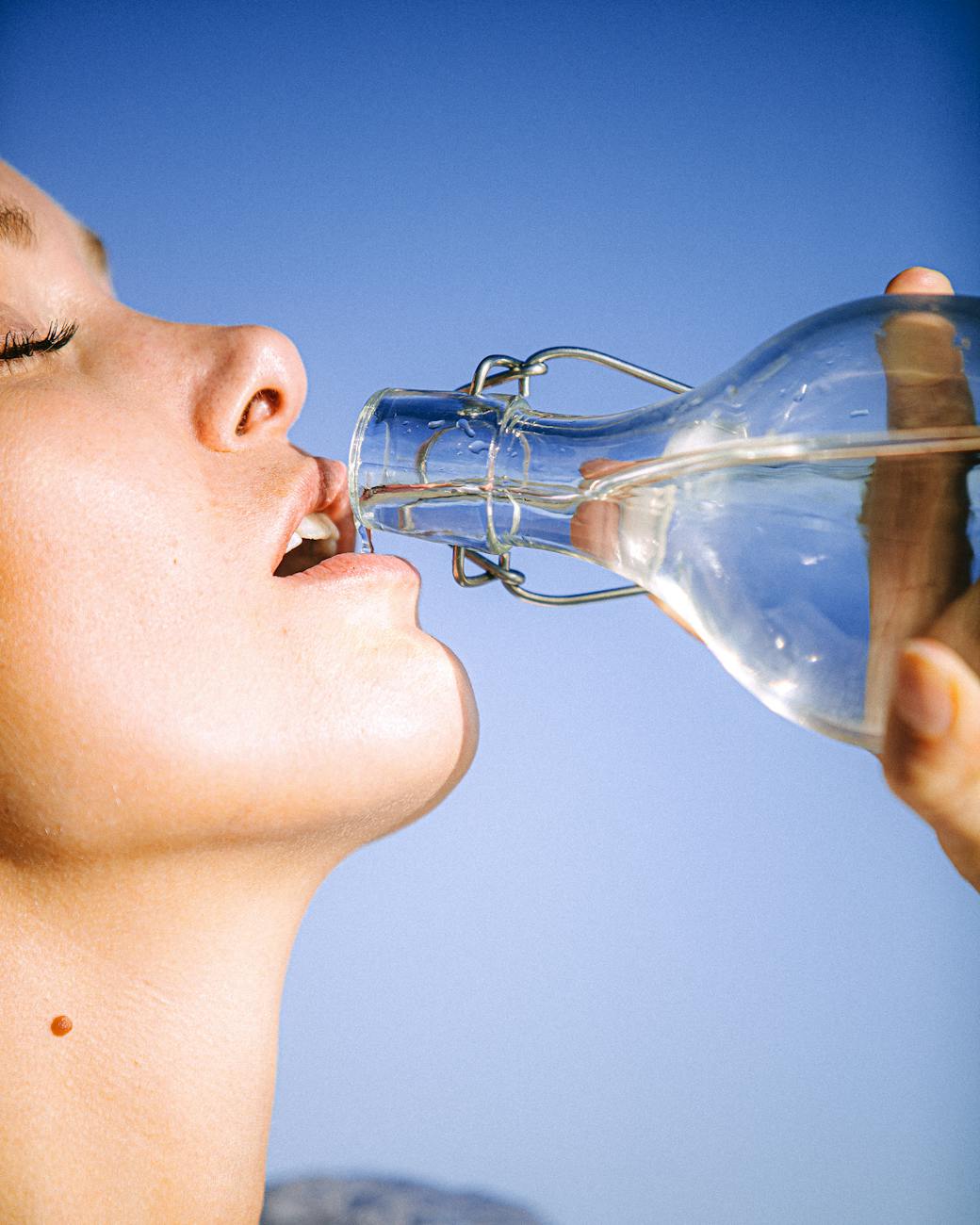
How to Reduce Toxic Burden and Protect Your Heart
A functional medicine approach emphasizes detoxification, nutrient optimization, and lifestyle interventions to minimize toxin exposure and support cardiovascular health.
1. Eat a Heart-Healthy, Detox-Supporting Diet
🥦 Cruciferous vegetables (broccoli, kale) support liver detox.
🍋 Lemon water and dandelion tea enhance natural detoxification.
🐟 Omega-3 fatty acids (wild-caught salmon, flaxseeds) reduce inflammation from toxin exposure.
🌾 Fiber-rich foods (chia seeds, psyllium husk) help eliminate toxins through digestion.
2. Sweat Out Toxins
🚴 Exercise regularly to stimulate the lymphatic system and circulation.
🧖♀️ Infrared sauna therapy promotes detoxification through sweat.
3. Improve Detox Pathways with Targeted Nutrients
🌿 Glutathione: The body’s master antioxidant, essential for detox.
💊 N-acetyl cysteine (NAC): Supports liver function and heavy metal clearance.
🫐 Antioxidants (vitamin C, quercetin): Combat oxidative stress from toxins.
4. Reduce Chemical Exposure in Your Home
🏡 Use natural cleaning products (vinegar, baking soda) instead of chemical-based cleaners.
🌱 Switch to organic personal care products to avoid phthalates and parabens.
💧 Install water filters to remove heavy metals and chemicals from drinking water.
Bringing it all together!
Hidden toxins are a silent contributor to heart disease, impacting blood pressure, cholesterol, and arterial health. By identifying sources of toxic exposure, supporting detox pathways, and adopting a functional medicine approach, you can protect your heart and overall health.
Reducing environmental toxins isn’t about perfection—it’s about progress. Small, mindful changes can make a big difference in long-term cardiovascular wellness.

Written By: Roxanne Oliver, DNP, APRN, FNP-BC, CHHP
*The information contained in this post is for information only. It does not replace routine follow-up and/or care with a certified and licensed medical provider
References
American Heart Association. (2023). Environmental toxins and cardiovascular health. Retrieved from https://www.heart.org
Brook, R. D., Rajagopalan, S., Pope, C. A., et al. (2023). Air pollution and cardiovascular disease. Circulation, 147(5), 490-509.
Environmental Protection Agency. (2023). Air pollution and heart disease risk. Retrieved from https://www.epa.gov
Gore, A. C., Crews, D., Doan, L. L., et al. (2023). Endocrine-disrupting chemicals: Impacts on cardiovascular health. Endocrine Reviews, 44(3), 233-256.
 Roxy Functional Wellness