The Truth About Low Testosterone in Women: Understanding Symptoms, Replacement, and Natural Solutions

When people think of testosterone, they often associate it with men. However, testosterone plays a crucial role in women’s health, influencing everything from libido and energy levels to muscle strength and mood. Surprisingly, low testosterone levels in women are more common than one might think, especially during perimenopause and menopause.

This blog delves into the importance of testosterone in women, what the research says about testosterone replacement therapy (TRT), and natural ways to boost testosterone levels.


Testosterone in Women: What Research Says

Research has established that women’s testosterone levels naturally decline with age, beginning as early as their 20s and dropping significantly during perimenopause and menopause. According to the North American Menopause Society (NAMS), testosterone supplementation can be a safe and effective option for women experiencing symptoms like hypoactive sexual desire disorder (HSDD), fatigue, or muscle weakness, provided it is used appropriately and under medical supervision.

While testosterone replacement is not FDA-approved for women in the U.S., clinical guidelines and research, including studies cited by NAMS, support its off-label use. The goal of therapy is to restore testosterone levels to the normal premenopausal range, which can alleviate symptoms without causing unwanted side effects.


Symptoms of Low Testosterone in Women

Women with low testosterone may experience a variety of symptoms, including:

  • Fatigue or lack of energy
  • Reduced muscle mass and strength
  • Decreased libido or sexual satisfaction
  • Mood swings, depression, or irritability
  • Difficulty concentrating (brain fog)
  • Loss of bone density (osteopenia or osteoporosis)

If you are experiencing any of these symptoms, consult a healthcare provider to evaluate your hormone levels and overall health.


Natural Ways to Boost Testosterone Levels in Women

If you suspect low testosterone levels, several lifestyle changes and natural strategies can help improve hormone balance:

  1. Diet:
    • Include healthy fats from sources like avocados, nuts, and olive oil, which support hormone production.
    • Ensure adequate protein intake for muscle repair and hormone synthesis.
    • Zinc-rich foods (e.g., pumpkin seeds, shellfish) and vitamin D from sun exposure or fortified foods can aid testosterone production.
  2. Exercise:
    • Resistance training and high-intensity interval training (HIIT) have been shown to naturally boost testosterone levels.
    • Consistent physical activity improves overall hormone balance.
  3. Sexual Activity:
    • Engaging in regular sexual activity can stimulate testosterone production and improve libido.
  4. Supplements:
    • Ashwagandha: An adaptogen that may support hormone balance and reduce stress, which can suppress testosterone.
    • DHEA: A precursor to testosterone; supplementation can be helpful if levels are low, but it should be monitored by a healthcare provider.
    • Maca Root: May help improve sexual desire and balance hormones.
  5. Stress Management:
    • Chronic stress increases cortisol, which can suppress testosterone. Techniques like yoga, meditation, or mindfulness can help.
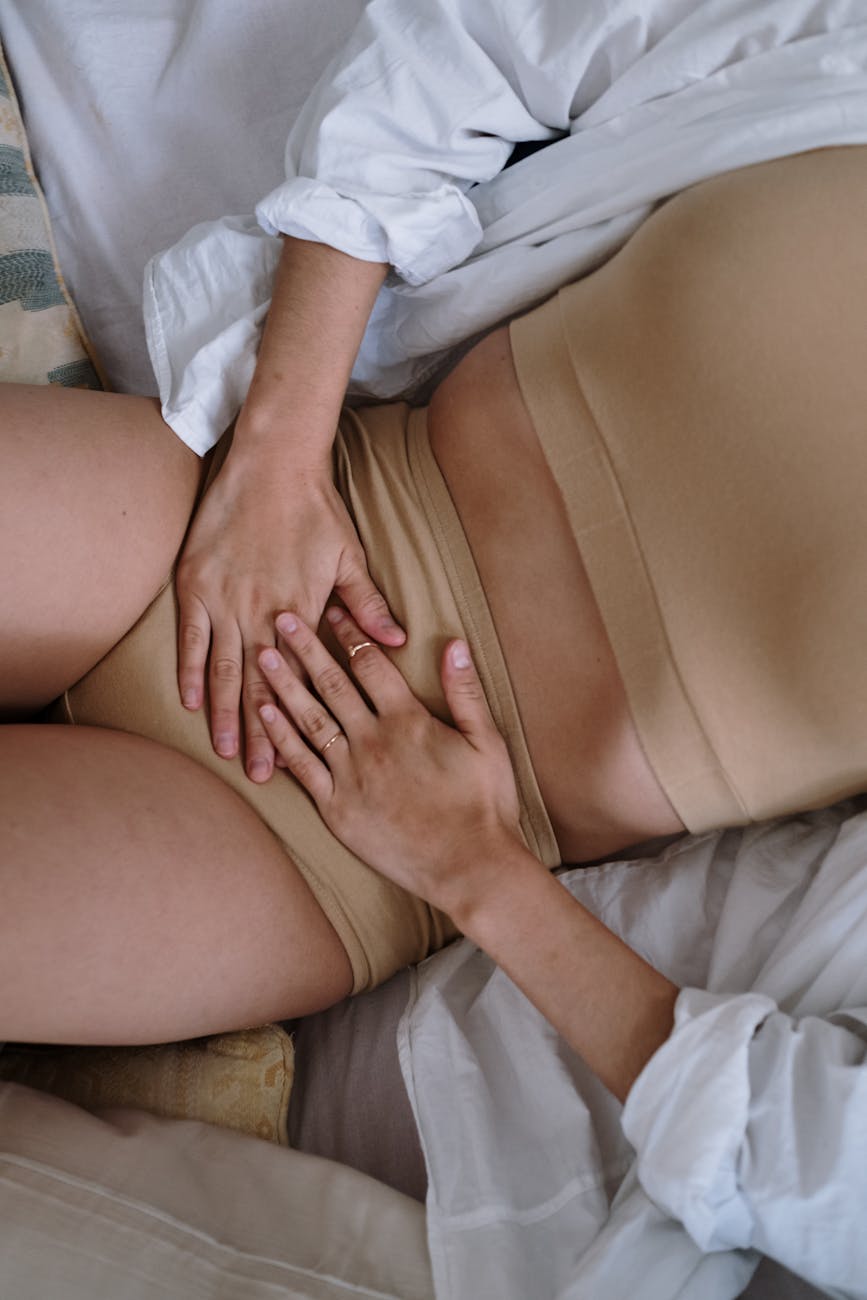
Photo by Oluremi Adebayo on Pexels.com

Who is Appropriate for Testosterone Replacement Therapy (TRT)?

TRT may be appropriate for women who:

  • Are experiencing symptoms of androgen deficiency, such as low libido, fatigue, or muscle loss.
  • Have low testosterone levels confirmed by lab testing.
  • Have not found relief through natural methods or other treatments.

TRT is NOT appropriate for women who:

  • Have a history of hormone-sensitive cancers (e.g., breast or uterine cancer).
  • Are pregnant or breastfeeding.
  • Have untreated androgen excess conditions like PCOS.

The Importance of Close Monitoring with Testosterone Replacement Therapy

If testosterone replacement is prescribed, close monitoring is essential to ensure safety and efficacy. This includes:

  • Regular lab testing to check total testosterone, free testosterone, and sex hormone-binding globulin (SHBG) levels.
  • Monitoring for side effects such as acne, hirsutism, or voice deepening.
  • Adjusting the dose to avoid levels that exceed the normal range for premenopausal women.

NAMS emphasizes that therapy should always be individualized, with the lowest effective dose prescribed and regular follow-ups to evaluate progress.


The Bottom Line

Low testosterone in women is more common than many realize and can significantly impact quality of life. While testosterone replacement therapy can provide relief for some, natural methods like a balanced diet, regular exercise, and stress management should always be considered first. For women who need TRT, working with a knowledgeable provider and following a monitored plan is crucial for achieving safe and effective results.

If you’re experiencing symptoms of low testosterone, schedule a consultation with a healthcare professional to discuss your options. With the right approach, you can regain energy, strength, and vitality.

Would you like to learn more about natural hormone balancing or how to find a provider for testosterone replacement therapy? Reach out today!

Written By: Roxanne Oliver, DNP, APRN, FNP-BC

*The information contained in this post is for information only. It does not replace routine follow-up and/or care with a certified and licensed medical provider

References

North American Menopause Society (NAMS). (2022). The 2022 hormone therapy position statement of the North American Menopause Society. Menopause, 29(7), 767-794. https://doi.org/10.1097/GME.0000000000002041

Davison, S. L., Bell, R., Donath, S., Montalto, J. G., & Davis, S. R. (2005). Androgen levels in adult females: Changes with age, menopause, and oophorectomy. Journal of Clinical Endocrinology & Metabolism, 90(7), 3847–3853. https://doi.org/10.1210/jc.2005-0212

Braunstein, G. D. (2007). Management of female sexual dysfunction in postmenopausal women by testosterone administration: Safety issues and controversies. Journal of Sexual Medicine, 4(1), 174–185. https://doi.org/10.1111/j.1743-6109.2007.00304.x

Dimitrakakis, C., & Bondy, C. (2009). Androgens and the breast. Breast Cancer Research, 11(5), 212. https://doi.org/10.1186/bcr2435

Hackett, G. (2019). Testosterone therapy for women: Indications and treatment options. Advances in Therapy, 36(9), 2210–2220. https://doi.org/10.1007/s12325-019-01015-8

Arlt, W., & Gross, C. (2013). Androgen therapy in women. European Journal of Endocrinology, 168(2), R1–R12. https://doi.org/10.1530/EJE-12-1046

Kingsberg, S. A., Clayton, A. H., & Dennerstein, L. (2005). Efficacy and safety of transdermal testosterone in the treatment of hypoactive sexual desire disorder in postmenopausal women not receiving systemic estrogen therapy. Journal of Sexual Medicine, 2(6), 716–726. https://doi.org/10.1111/j.1743-6109.2005.00095.x

Hill, P. D., & Taylor, R. W. (2020). Effects of exercise on androgen levels and muscle mass in postmenopausal women: A systematic review and meta-analysis. Sports Medicine, 50(4), 757–768. https://doi.org/10.1007/s40279-020-01250-3

Morales, A., & Lunenfeld, B. (2002). Androgen replacement therapy in aging men and women: An overview. Aging Male, 5(4), 184–197. https://doi.org/10.1080/tam.5.4.184.197

Stuenkel, C. A., Gass, M. L. S., Manson, J. E., et al. (2015). A decade after the Women’s Health Initiative—The experts do agree. Menopause, 22(6), 589–598. https://doi.org/10.1097/GME.0000000000000485

Managing Hot Flashes and Night Sweats in Perimenopause: A Guide to Functional and Conventional Treatments

Perimenopause marks the transition period leading up to menopause, typically beginning in a woman’s 40s but sometimes as early as the mid-30s. It’s a phase characterized by hormonal changes that gradually lead to the end of reproductive years. Unlike menopause, which is defined as the absence of a menstrual period for 12 consecutive months, perimenopause can span several years, with symptoms fluctuating throughout this time. It is essential to understand that perimenopause is not a disease but a natural stage in every woman’s life.

What Happens with Hormones During Perimenopause?

During perimenopause, the body experiences fluctuations in the levels of estrogen and progesterone, the key hormones responsible for regulating the menstrual cycle and supporting reproductive health. Here’s a simplified breakdown of what happens:

  1. Decline in Ovarian Function: The ovaries, which produce estrogen and progesterone, start to lose their consistency in hormone production. This inconsistency leads to irregular menstrual cycles.
  2. Estrogen Levels Fluctuate: Estrogen levels can vary significantly during perimenopause, sometimes rising but often declining as the ovaries prepare for the end of reproductive function. These fluctuations are largely responsible for symptoms like hot flashes and night sweats.
  3. Decreased Progesterone: As ovulation becomes irregular, progesterone levels drop more consistently. Progesterone’s calming effect is lost, leading to increased anxiety, sleep disturbances, and mood changes.
  4. Impact on Other Hormones: The hypothalamic-pituitary (HP) axis plays a crucial role in hormone regulation. As estrogen and progesterone levels change, the HP axis may become more active, leading to increased secretion of luteinizing hormone (LH) and follicle-stimulating hormone (FSH). These changes can result in the classic symptoms of perimenopause.

Hot Flashes and Night Sweats: What’s Happening Physiologically?

Hot flashes and night sweats are among the most common symptoms of perimenopause. They occur due to changes in how the body regulates temperature, primarily driven by fluctuating estrogen levels. Here’s a closer look at the physiological process:

  • Vasomotor Instability: The hypothalamus, which regulates body temperature, becomes more sensitive to minor changes in estrogen levels. This sensitivity can cause the body to misinterpret small variations in temperature, triggering a heat release in the form of a hot flash.
  • Dilated Blood Vessels: During a hot flash, blood vessels near the skin’s surface dilate to release heat, causing a sudden feeling of warmth that can spread over the chest, neck, and face. This process can be accompanied by increased heart rate and sweating, known as a “vasomotor response.”
  • Night Sweats: Similar to hot flashes, night sweats are intense periods of sweating that occur during sleep, often leading to disrupted sleep and discomfort. They are a direct result of the body’s attempt to cool itself down rapidly due to changes in estrogen levels.
Photo by Kindel Media on Pexels.com

Functional Medicine Approaches for Managing Hot Flashes and Night Sweats

Functional medicine focuses on addressing the root cause of symptoms through a holistic and individualized approach. For perimenopausal symptoms like hot flashes and night sweats, the goal is to balance hormone levels and support the body through this natural transition.

  1. Hormone Balancing Through Phytoestrogens: Herbs like Black Cohosh, Red Clover, and Dong Quai can mimic estrogen’s effects in the body and provide relief from hot flashes. Phytoestrogens work more gently than synthetic hormones, offering a safer alternative with fewer side effects.
  2. Nutritional Support: Supporting liver health is crucial for hormone detoxification. A diet rich in cruciferous vegetables (like broccoli and kale) and foods high in omega-3 fatty acids (such as flaxseeds and fish) can promote hormonal balance. Additionally, magnesium, B vitamins, and vitamin D can support adrenal health and improve stress response, reducing the frequency of night sweats.
  3. Acupuncture and Mind-Body Practices: Acupuncture has been shown to alleviate hot flashes by regulating the hypothalamic-pituitary axis and balancing energy flow in the body. Techniques like yoga, meditation, and breathwork can also help manage stress and improve sleep quality, reducing the severity of symptoms.
  4. Lifestyle Modifications: A consistent sleep routine, maintaining a cool sleeping environment, and engaging in regular exercise can all play a role in reducing the severity of hot flashes and night sweats. These habits support overall well-being and can improve how the body manages hormonal changes.

Conventional Treatment Options: Pros, Cons, and Considerations

Conventional medicine offers various treatment options for managing perimenopausal symptoms, each with its own set of benefits and challenges.

  1. Hormone Replacement Therapy (HRT): HRT is one of the most common conventional approaches, involving estrogen or a combination of estrogen and progesterone. It can be highly effective for alleviating hot flashes and night sweats but comes with considerations:
    • Pros: Provides rapid relief from severe symptoms, supports bone density, and can improve overall quality of life.
    • Cons: Increased risk of blood clots, stroke, and certain cancers (such as breast and uterine cancer). HRT is often not recommended for women with a history of cardiovascular conditions or hormone-sensitive cancers.
    • Cost: HRT can be costly, depending on the formulation (pills, patches, creams) and the need for regular monitoring by a healthcare provider.
  2. Non-Hormonal Medications: SSRIs (Selective Serotonin Reuptake Inhibitors) or SNRIs (Serotonin-Norepinephrine Reuptake Inhibitors) can help with hot flashes in some women by regulating neurotransmitter levels.
    • Pros: Suitable for women who cannot take HRT due to medical contraindications.
    • Cons: Potential side effects include nausea, dizziness, and changes in appetite or weight. These medications do not address the root hormonal changes but rather manage symptoms.
    • Cost: Generally less expensive than HRT but may require trial and error to find the right medication and dosage.

Normalizing Conversations About Perimenopause

Perimenopause is a normal, natural phase of life that many women experience. Yet, it remains a topic shrouded in discomfort and misunderstanding. By normalizing discussions about perimenopause and the accompanying symptoms, we can create a supportive environment for women navigating this transition. Understanding that hot flashes and night sweats are not “abnormal” but are part of the body’s adjustment process can help reduce anxiety and promote a sense of empowerment.

It is vital to acknowledge that every woman’s experience with perimenopause is unique, and there is no one-size-fits-all solution. A functional medicine approach emphasizes personalization, supporting women holistically through lifestyle, nutrition, and natural remedies. Meanwhile, conventional medicine offers targeted options that may suit those with more severe symptoms. Together, these approaches can provide a balanced path forward for women seeking relief during this significant life change.

Written By: Roxanne Oliver, DNP, APRN, FNP-BC

*The information contained in this post is for information only. It does not replace routine follow-up and/or care with a certified and licensed medical provider

References

Freeman, E. W., Sammel, M. D., Lin, H., & Gracia, C. R. (2015). The role of anxiety and hormonal changes in menopausal hot flashes. Menopause, 22(1), 45-51. https://doi.org/10.1097/GME.0000000000000283

Geller, S. E., & Studee, L. (2006). Botanical and dietary supplements for menopausal symptoms: What works, what does not. Journal of Women’s Health, 15(7), 634-649. https://doi.org/10.1089/jwh.2006.15.634

Harlow, S. D., Gass, M., Hall, J. E., Lobo, R., Maki, P., Rebar, R. W., & Sherman, S. (2012). Executive summary of the Stages of Reproductive Aging Workshop + 10: Addressing the unfinished agenda of staging reproductive aging. Menopause, 19(4), 387-395. https://doi.org/10.1097/gme.0b013e31824d8f40

Kaunitz, A. M., & Manson, J. E. (2015). Management of menopausal symptoms. Obstetrics & Gynecology, 126(4), 859-876. https://doi.org/10.1097/AOG.0000000000001058

Newton, K. M., Reed, S. D., & LaCroix, A. Z. (2014). Treatment of vasomotor symptoms of menopause. American Journal of Medicine, 127(3), 236-243. https://doi.org/10.1016/j.amjmed.2013.11.003

Shifren, J. L., & Gass, M. L. (2014). The North American Menopause Society recommendations for clinical care of midlife women. Menopause, 21(10), 1038-1062. https://doi.org/10.1097/gme.0000000000000319

Stuenkel, C. A., Davis, S. R., Gompel, A., Lumsden, M. A., Murad, M. H., Pinkerton, J. V., & Santen, R. J. (2015). Treatment of symptoms of the menopause: An Endocrine Society clinical practice guideline. Journal of Clinical Endocrinology & Metabolism, 100(11), 3975-4011. https://doi.org/10.1210/jc.2015-2236

van Driel, C. M., Stuursma, A., & Schneider, H. P. (2018). Efficacy and safety of herbal medicines in perimenopausal and postmenopausal disorders: A systematic review. Maturitas, 111, 1-15. https://doi.org/10.1016/j.maturitas.2018.01.009

Warren, M. P., & Shortle, B. (2016). Use of antidepressants for management of hot flashes. Journal of the American Medical Association, 315(22), 2484-2485. https://doi.org/10.1001/jama.2016.5691

Wuttke, W., Gorkow, C., Seidlova-Wuttke, D. (2006). Effects of Black Cohosh on estrogen-dependent tissues in postmenopausal women. Menopause, 13(2), 185-196. https://doi.org/10.1097/01.gme.0000179045.79338.3c

Understanding the Importance of a Balanced Diet for Women’s Hormonal Health

Hormonal balance is foundational for a woman’s overall wellness, affecting everything from mood to metabolism, reproductive health, and energy levels. Central to this balance is the complex interaction between hormones like estrogen, progesterone, and thyroid hormones, which are regulated through the hypothalamic-pituitary-thyroid (HPT) axis as well as the hypothalamic-pituitary-gonadal (HPG) axis. A balanced diet is not just about maintaining weight—it plays a pivotal role in regulating hormones, supporting the menstrual cycle, and promoting optimal well-being.

A Breakdown of Female Hormones, the Thyroid, and the HP Axis Feedback Loop

The hypothalamus and pituitary gland work in harmony to regulate the production of hormones through complex feedback loops involving both the ovaries and the thyroid gland. Here’s how each part fits together:

  • Hypothalamus: It releases Gonadotropin-Releasing Hormone (GnRH) to regulate reproductive hormones, and Thyrotropin-Releasing Hormone (TRH) to control thyroid function. These signals guide the pituitary gland in releasing other hormones.
  • Pituitary Gland: It releases Follicle-Stimulating Hormone (FSH) and Luteinizing Hormone (LH) for ovarian function, as well as Thyroid-Stimulating Hormone (TSH) to regulate the thyroid gland. TSH stimulates the thyroid to produce thyroid hormones.
  • Thyroid Gland: It produces thyroxine (T4) and triiodothyronine (T3), which play a crucial role in metabolism, energy levels, and even the regulation of sex hormones. Adequate levels of thyroid hormones ensure that the body has the right amount of energy, and they influence the menstrual cycle by affecting the ovaries and the production of estrogen and progesterone.
  • Ovaries: In response to FSH and LH, the ovaries produce estrogen and progesterone, which have various effects on the body, including regulating the menstrual cycle, mood, and energy levels. These hormones also interact with thyroid hormones, emphasizing the importance of a well-functioning thyroid for overall hormonal balance.

The Menstrual Cycle and Hormonal Shifts

The menstrual cycle is typically around 28 days, divided into four phases:

  1. Menstrual Phase (Days 1-5): This is when the uterine lining sheds, resulting in menstruation. Hormones like estrogen and progesterone are at their lowest, while T3 and T4 levels need to remain balanced for energy levels and mood.
  2. Follicular Phase (Days 1-14): During this time, FSH stimulates the ovaries to produce follicles. Estrogen levels rise, thickening the uterine lining and preparing for a potential pregnancy. Healthy thyroid function supports this phase by maintaining energy and supporting metabolic rate.
  3. Ovulatory Phase (Day 14): A surge in LH triggers ovulation, where the mature egg is released from the ovary. Estrogen peaks and drops right after ovulation. The thyroid’s role in metabolism helps sustain the energy demands during this phase.
  4. Luteal Phase (Days 15-28): After ovulation, progesterone levels rise, preparing the uterine lining for implantation. If no fertilization occurs, progesterone and estrogen levels drop, leading to the start of a new cycle. The thyroid continues to play a role in mood and energy regulation, helping to prevent symptoms like fatigue and irritability.
Photo by Jane Trang Doan on Pexels.com

The Role of Macros in Hormonal Balance and Wellness

A balanced diet with the right macronutrients—protein, fats, and carbohydrates—is crucial for hormone regulation, including the thyroid:

  • Protein: Essential amino acids from protein serve as building blocks for hormone synthesis, especially for peptide hormones like insulin and TSH. Protein also supports muscle mass, helps stabilize blood sugar levels, and can reduce cravings, which is vital for maintaining energy levels throughout the menstrual cycle. Adequate protein is also necessary for the conversion of T4 to the active T3 hormone.
  • Fats: Healthy fats, particularly omega-3s and monounsaturated fats, are crucial for producing steroid hormones like estrogen and progesterone. Fat also aids in the absorption of fat-soluble vitamins (A, D, E, and K) that are vital for hormone production. These vitamins play a role in thyroid health as well, with vitamin D being particularly important for thyroid function. Avocados, nuts, seeds, and oily fish are excellent sources of healthy fats.
  • Carbohydrates: Carbs provide the energy needed for the functioning of the brain and muscles, especially during the follicular and ovulatory phases when energy demands may increase. The thyroid is highly sensitive to calorie restriction, and maintaining adequate carb intake can prevent disruptions in T3 production. Complex carbohydrates like sweet potatoes, whole grains, and legumes help maintain stable blood sugar levels, reducing mood swings and supporting steady energy levels.
  • Calories: Undereating can throw off the balance of the HPT and HPG axes, leading to conditions like hypothalamic amenorrhea, where the menstrual cycle stops due to insufficient caloric intake. Adequate calories ensure the body has enough energy for essential functions, including hormone production and thyroid regulation.

Timing Nutrition with the Menstrual Cycle

Women who are cycling can benefit from adjusting their diet according to the phases of their menstrual cycle:

  • Follicular Phase: Focus on foods rich in phytoestrogens like flaxseeds, soy, and leafy greens to support rising estrogen levels. Protein-rich meals and whole grains help stabilize energy levels.
  • Ovulation: This is an excellent time to consume foods that support egg release and reduce inflammation, like antioxidant-rich fruits (berries, citrus fruits) and omega-3-rich foods like salmon and walnuts.
  • Luteal Phase: As progesterone levels rise, it’s beneficial to focus on foods that support this hormone, such as pumpkin seeds, nuts, and magnesium-rich foods like spinach and bananas. These can help mitigate symptoms like PMS, bloating, and mood swings.

Addressing Common Female Health Complaints with Diet

Many women have similar complaints regarding a certain time in their cycle. A balanced diet can alleviate many common menstrual complaints:

  • Painful Period Cramps: Omega-3 fatty acids, found in fish oil and chia seeds, can reduce inflammation and alleviate cramps. Magnesium-rich foods like dark chocolate and leafy greens can relax muscles and reduce pain.
  • Heavy Periods: Iron-rich foods like red meat, lentils, and spinach can help replenish lost iron during heavy menstrual bleeding. Vitamin C-rich foods, such as bell peppers and oranges, aid in iron absorption.
  • Headaches and Mood Swings: Balanced meals with complex carbs, healthy fats, and protein help maintain stable blood sugar levels, which can reduce headaches and mood swings. Foods rich in B vitamins, like eggs and whole grains, support neurotransmitter function, positively impacting mood.
  • Acne: Reducing refined sugars and focusing on whole, unprocessed foods can balance insulin levels, reducing hormonal acne. Zinc-rich foods like pumpkin seeds and chickpeas support skin health and reduce inflammation.
Photo by cottonbro studio on Pexels.com

Utilizing Supplements for Hormonal Balance and Support

A balanced diet is most effective when complemented with targeted supplements for hormonal health. Additionally, a balanced diet also provides additional support to the liver which is needs to filter through hormones efficiently:

  1. Fiber: Supports the elimination of excess estrogen by promoting healthy bowel movements, which is essential for hormone detoxification.
  2. Probiotics: A healthy gut microbiome plays a role in estrogen metabolism. Probiotics can support digestion and reduce symptoms like bloating.
  3. Magnesium: Helps alleviate cramps and reduce PMS symptoms by relaxing muscles and regulating neurotransmitters.
  4. Omega-3 Fish Oil: Reduces inflammation and supports the production of hormones that regulate mood and reduce menstrual pain.
  5. Zinc: Supports the immune system and helps with hormone production, which can be beneficial for managing acne and reducing inflammation.
  6. B-Complex Vitamins: Essential for energy production and supporting adrenal and thyroid health, which is especially important during times of stress or hormonal imbalance.
  7. Vitamin D: Supports immune function and plays a role in hormone production, including thyroid regulation, which can improve mood and energy levels.
  8. Digestive Enzymes: Aid in the breakdown of food and absorption of nutrients, ensuring that the body can utilize the vitamins and minerals necessary for hormone production.
  9. Ashwagandha: An adaptogenic herb that helps balance cortisol levels and supports the adrenal glands, helping to manage stress and stabilize energy levels.
  10. Selenium: Essential for thyroid function and the conversion of T4 to T3, making it crucial for maintaining balanced thyroid hormones.

Final Thoughts

Hormonal balance is a delicate dance, influenced by diet, lifestyle, and stress levels. By understanding the intricate relationships between macronutrients, the thyroid, the menstrual cycle, and targeted supplementation, women can create a diet that supports their unique needs throughout each phase of the cycle. A balanced diet not only nourishes the body but also serves as a powerful tool in managing common hormonal complaints and fostering overall wellness.

Written By: Roxanne Oliver, DNP, APRN, FNP-BC

*The information contained in this post is for information only. It does not replace routine follow-up and/or care with a certified and licensed medical provider

References

Dinh, K. M., & Kittnar, O. (2020). The role of thyroid hormones in cardiovascular diseases: Focus on atrial fibrillation. Physiological Research, 69(3), 509-517. https://doi.org/10.33549/physiolres.934437

Gordon, J. L., Girdler, S. S., Meltzer-Brody, S. E., Stuebe, A., & Rubinow, D. R. (2022). Hormone replacement therapy for the prevention of perimenopausal depression. American Journal of Psychiatry, 179(3), 196-206. https://doi.org/10.1176/appi.ajp.2021.21010048

Li, T., Zhang, Y., Liu, Y., & Jiang, J. (2021). The role of omega-3 polyunsaturated fatty acids in the prevention and treatment of depressive disorders: A systematic review and meta-analysis. Journal of Affective Disorders, 279(2), 580-593. https://doi.org/10.1016/j.jad.2020.09.017

Murdoch, C., Collins, C. E., & MacDonald-Wicks, L. (2021). Magnesium and its role in the prevention and management of chronic disease. Nutrients, 13(11), 3742. https://doi.org/10.3390/nu13113742

Nisar, T., & Ullah, R. (2020). Zinc in the prevention and treatment of acne: A systematic review. Journal of Dermatological Treatment, 31(1), 4-8. https://doi.org/10.1080/09546634.2019.1582062

Ortiz, R., & Herrero, E. (2020). The role of probiotics in women’s health. Journal of Applied Microbiology, 128(4), 947-962. https://doi.org/10.1111/jam.14425

Smith, K. B., & Smith, M. S. (2020). Dietary interventions in the management of iron-deficiency anemia. Journal of Clinical Medicine, 9(9), 2915. https://doi.org/10.3390/jcm9092915

Stachenfeld, N. S., & Taylor, H. S. (2021). Exercise and estrogen: The role of physical activity in women’s reproductive health. Journal of Endocrinology, 250(3), R1-R14. https://doi.org/10.1530/JOE-20-0471

Tremellen, K., & Pearce, K. (2020). Nutrition and diet in the management of polycystic ovary syndrome (PCOS). Journal of Endocrinological Investigation, 43(6), 675-688. https://doi.org/10.1007/s40618-020-01203-3

Zeng, X., Hu, X., Yu, X., & Cheng, X. (2021). The role of vitamin D in female reproductive health and pregnancy. Frontiers in Endocrinology, 12, 688884. https://doi.org/10.3389/fendo.2021.688884