
A strong immune system is your best line of defense against illness, but boosting it doesn’t have to mean prescription medication or over-the-counter quick fixes. Nature has equipped us with powerful tools—flavonoids and immune-modulating herbs—that work gently yet effectively to support and balance immune function. Whether you’re looking to reduce the frequency of seasonal colds or support your body during times of stress, these natural compounds offer targeted benefits.
“A strong immune system is your best line of defense against illness…”
What Are Flavonoids?
Flavonoids are compounds found in colorful fruits, vegetables, teas, and even dark chocolate. These plant chemicals are known for their antioxidant and anti-inflammatory properties, which make them valuable players in immune health.
Some key flavonoids include:
- Quercetin – found in apples, onions, and berries
- EGCG – a powerful antioxidant in green tea
- Rutin – found in citrus fruits and buckwheat
- Myricetin – present in tomatoes, grapes, and walnuts
These flavonoids help reduce oxidative stress, improve immune cell signaling, and regulate inflammation—key factors in protecting against chronic illness and infection.
Herbal Immune Allies
Several herbs have long been used in traditional medicine and are now backed by modern research for their immune-supportive properties:
- Elderberry (Sambucus nigra): Excellent during cold and flu season; shortens the duration and severity of viral illnesses. Great for those with frequent upper respiratory infections.
- Astragalus: A gentle immune modulator that’s ideal for those with frequent fatigue or who feel “run down” from stress.
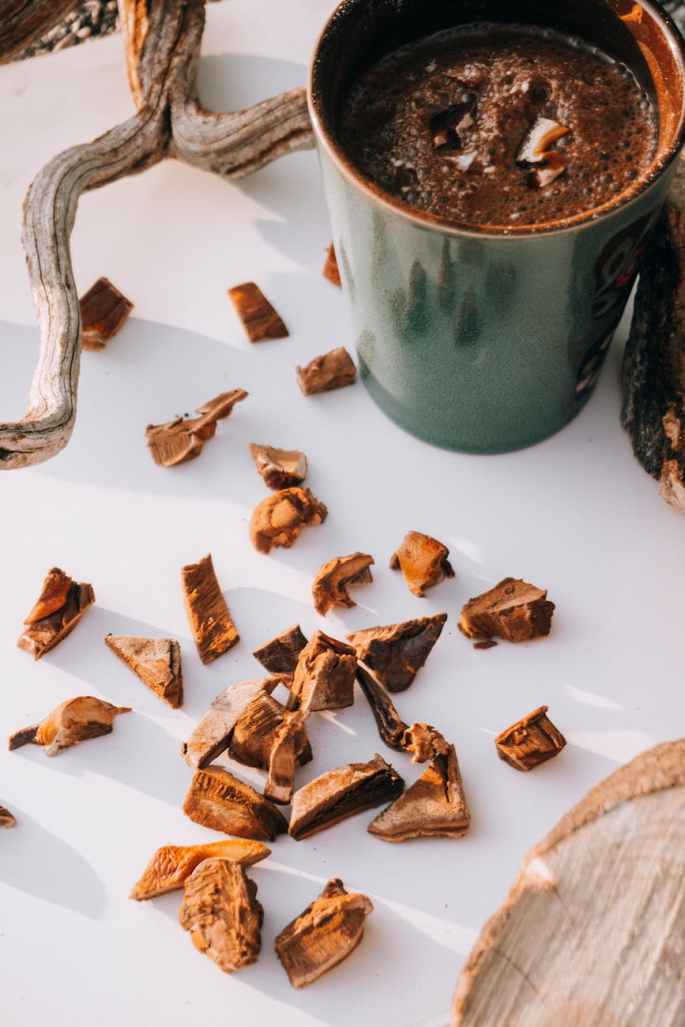
- Reishi Mushroom: A calming adaptogen that supports the immune system and stress response. Ideal for those with autoimmune concerns or high levels of chronic stress.
- Echinacea: Best used short-term at the onset of illness; can help stimulate immune response. Suitable for those with a healthy immune system who want to support it during acute illness.
- Quercetin: Especially beneficial for individuals with allergies, chronic inflammation, or frequent colds.
- Green Tea (EGCG): A good choice for anyone looking for a gentle, daily immune enhancer with antioxidant benefits.
Note: If you have autoimmune conditions, are on immunosuppressants, or are pregnant/breastfeeding, consult with your healthcare provider before introducing new herbs or flavonoids.

How to Incorporate These into Your Daily Routine
Here are a few practical and sustainable ways to make these immune-supportive tools part of your everyday life:
1. Start Your Morning with Green Tea
- Swap out your coffee for a cup of green tea to provide a steady source of EGCG, which supports immunity and metabolism.
2. Add Color to Your Plate
- Aim for at least 3 different colors per meal: purple onions, red peppers, leafy greens, berries, or citrus fruits—all rich in flavonoids.
3. Use Herbal Teas Throughout the Day
- Drink elderberry or echinacea teas when you feel run down or during flu season.
- For daily stress support, sip on reishi mushroom tea or take a capsule with your evening routine.
4. Supplement Strategically
- A daily quercetin supplement may be helpful if you have seasonal allergies or frequent inflammation.
- Astragalus is best taken in capsule or tincture form as part of a daily wellness routine during the winter or stressful times.
5. Batch-Prep Immune Smoothies
- Blend citrus fruits, berries, spinach, and green tea ice cubes into a smoothie to flood your system with immune-supportive compounds.
6. Cook with Immune-Friendly Spices
- Onions, garlic, ginger, and turmeric are all rich in flavonoids and immune-boosting properties—add them liberally to soups, stir-fries, and roasted vegetables.
A Final Note
Supporting your immune system isn’t about doing one thing perfectly—it’s about creating consistent habits that promote balance and resilience. Whether you’re feeling run-down, trying to prevent illness, or just want to give your body a little extra support, herbs and flavonoids offer safe, natural options. When combined with quality sleep, a healthy diet, hydration, and stress reduction techniques, they become powerful allies in your wellness routine.

Written By: Roxanne Oliver, DNP, APRN, FNP-BC, CHHP
*The information contained in this post is for information only. It does not replace routine follow-up and/or care with a certified and licensed medical provider
References
- Calder, P. C. (2020). Nutrition, immunity and COVID-19. BMJ Nutrition, Prevention & Health, 3(1), 74–92. https://doi.org/10.1136/bmjnph-2020-000085
- Chandra, R. K. (1997). Nutrition and the immune system: An introduction. The American Journal of Clinical Nutrition, 66(2), 460S–463S. https://doi.org/10.1093/ajcn/66.2.460S
- Liu, R. H. (2013). Health-promoting components of fruits and vegetables in the diet. Advances in Nutrition, 4(3), 384S–392S. https://doi.org/10.3945/an.112.003517
- Liao, Y., Shen, W., & Shen, D. (2018). Reishi mushroom and immunity. Frontiers in Pharmacology, 9, 689. https://doi.org/10.3389/fphar.2018.00689
- Zakay-Rones, Z., Thom, E., Wollan, T., & Wadstein, J. (2004). Randomized study of the efficacy and safety of oral elderberry extract in the treatment of influenza A and B virus infections. The Journal of International Medical Research, 32(2), 132–140. https://doi.org/10.1177/147323000403200205
- Wu, D., Lewis, E. D., Pae, M., & Meydani, S. N. (2019). Nutritional modulation of immune function: Analysis of evidence, mechanisms, and clinical relevance. Frontiers in Immunology, 9, 3160. https://doi.org/10.3389/fimmu.2018.03160
- Nair, M. P., Mahajan, S., Reynolds, J. L., Aalinkeel, R., Nair, H., Schwartz, S. A., & Kandaswami, C. (2006). The flavonoid quercetin inhibits proinflammatory cytokine expression by suppressing the NF-κB pathway. Clinical and Vaccine Immunology, 13(3), 319–328. https://doi.org/10.1128/CDLI.13.3.319-328.2006
- Li, X., Qu, L., Dong, Y., Han, L., Liu, E., Fang, S., & Zhang, Y. (2014). A review of recent research progress on the astragalus genus. Molecules, 19(11), 18850–18880. https://doi.org/10.3390/molecules191118850
- Heinrich, M., & Teoh, H. L. (2004). Galanthamine from snowdrop—the development of a modern drug against Alzheimer’s disease from local Caucasian knowledge. Journal of Ethnopharmacology, 92(2–3), 147–162. https://doi.org/10.1016/j.jep.2004.02.012
- Singh, R., Ahmed, S., Islam, N., & Kumar, S. (2021). Role of dietary flavonoids in modulation of the immune system. Nutrition & Food Science, 51(3), 526–540. https://doi.org/10.1108/NFS-01-2021-0007










 Roxy Functional Wellness