
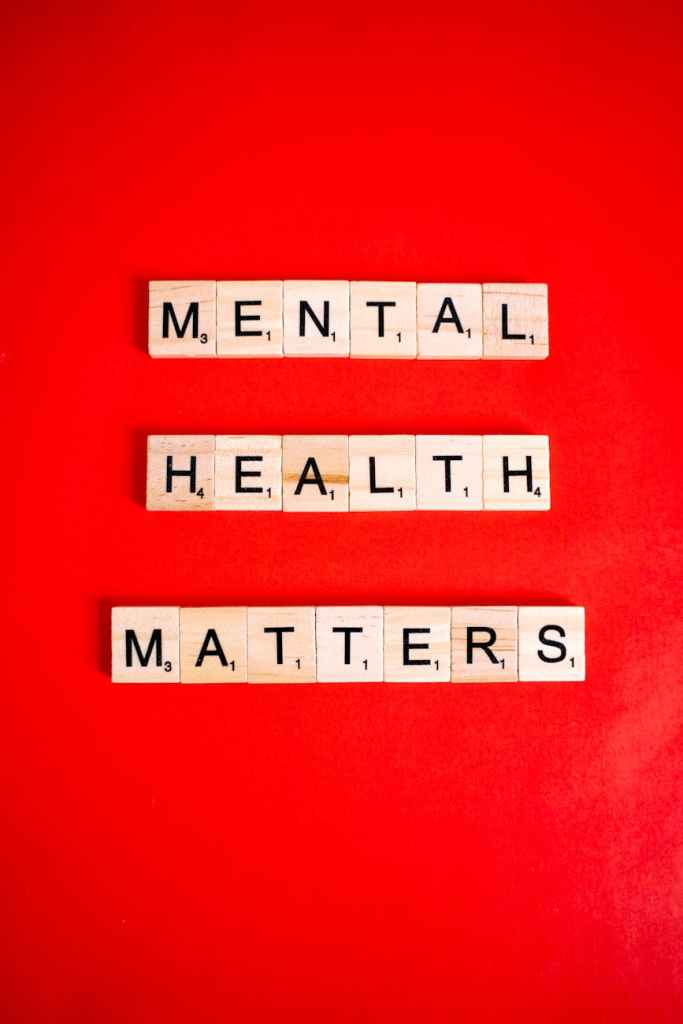
As May unfolds its blossoms and the world awakens to the warmth of spring, it also marks the commencement of Mental Health Awareness Month. A time dedicated to shedding light on an aspect of wellness often shrouded in stigma and misunderstanding. Mental health is a multifaceted dimension of our well-being, encompassing our emotional, psychological, and social state. It’s not just the absence of mental illness but also the presence of positive attributes like resilience, coping mechanisms, and emotional intelligence. Over the next 30-days I will look at various holistic modalities that can be included in one’s life to promote balanced mental health.
Remembering where we came from and looking to the future
In today’s society, the importance of mental health awareness cannot be overstated. Despite significant strides in understanding and treating mental illness, stigma remains a barrier for many seeking help. This stigma often leads to discrimination, reluctance to seek treatment, and feelings of isolation. By fostering awareness and understanding, we can break down these barriers and create a more supportive environment for those struggling with mental health issues.
One of the most significant shifts in mental health treatment in recent years has been towards a more holistic approach. Research shows that Depression is actually one of the chronic mental health disease conditions for which alternative therapies are most frequently used. Functional and holistic medicine recognizes the interconnectedness of mind, body, and spirit, and seeks to address mental health issues by treating the whole person verses just the presenting symptoms. This approach emphasizes lifestyle modifications, natural supplements, and alternative therapies in addition to or sometimes in place of traditional prescription medication treatments.
Incorporating a Holistic Mental Health Regimen
There are many holistic treatment therapies that can be incorporated to promote mental health, however, here are four natural treatment modalities that can be easily incorporated into a holistic mental health regimen:
- Meditation and Mindfulness: Practicing meditation and mindfulness can help reduce stress, anxiety, and depression by promoting relaxation and self-awareness. Incorporating just a few minutes of meditation into your daily routine can have profound effects on your mental well-being.
- Regular Exercise: Physical activity has been shown to have numerous mental health benefits, including reducing symptoms of depression and anxiety, improving mood, and boosting self-esteem. Whether it’s a brisk walk in nature, a yoga class, or a gym session, finding an exercise routine that you enjoy can be a powerful tool for improving mental health.
- Nutritional Supplements: Certain vitamins, minerals, and herbal supplements have been found to support mental health and emotional well-being. For example, omega-3 fatty acids found in fish oil have been linked to reduced symptoms of depression, while herbs like St. John’s Wort and lavender have been used for centuries to alleviate anxiety and promote relaxation.
- Lifestyle Changes: Simple lifestyle changes such as getting enough sleep, maintaining a balanced diet, and fostering social connections can have a significant impact on mental health. Prioritizing self-care and setting boundaries can also help reduce stress and prevent burnout.
Don’t Be Afraid to Ask for Help
In times of acute mental illness, such as experiencing suicidal ideation, it’s crucial to seek immediate help and support. If you or someone you know is in crisis, please reach out to a trusted friend or family member, or contact a mental health professional immediately. You can also call emergency services or go to the nearest emergency room for immediate assistance. Additionally, there are several hotlines and helplines available 24/7 to provide support and guidance:
- National Suicide Prevention Lifeline: 1-800-273-TALK (1-800-273-8255) – A confidential hotline providing free and confidential support for people in distress, as well as resources for you or your loved ones.
- Crisis Text Line: Text HOME to 741741 – A free, confidential text line staffed by trained crisis counselors, available 24/7 to provide support and assistance to anyone in crisis.
- SAMHSA National Helpline: 1-800-662-HELP (1-800-662-4357) – A confidential, free, 24-hour-a-day, 365-day-a-year treatment referral and information service (in English and Spanish) for individuals and families facing mental and/or substance use disorders.
Remember, you are not alone, and there are people who care about you and want to help. It’s okay to reach out for support, and seeking help is a courageous step towards healing and recovery.
“We should make it clear that getting help isn’t a sign of weakness—it’s a sign of strength.” ~ Michelle Obama
Let’s Embark!
Throughout the month of May, let’s embark on a journey of exploration and empowerment as we delve deeper into these natural treatment therapies. Each week, we’ll explore a different aspect of holistic mental health and discuss practical ways to incorporate these practices into our daily lives. Together, let’s embrace Mental Health Awareness Month and work towards a world where mental health is prioritized, stigma is eliminated, and everyone has access to the support and resources they need to thrive.

Written By: Roxanne Oliver, DNP, APRN, FNP-BC
Published: 04/09/2024
*The information contained in this post is for information only. It does not replace routine follow-up and/or care with a certified and licensed medical provider.
References
- Kabat-Zinn, J. (1994). Wherever You Go, There You Are: Mindfulness Meditation in Everyday Life. Hyperion.
- Craft, L. L., & Perna, F. M. (2004). The benefits of exercise for the clinically depressed. Primary Care Companion to the Journal of Clinical Psychiatry, 6(3), 104–111. https://doi.org/10.4088/PCC.v06n0301a
- Sarris, J., O’Neil, A., Coulson, C. E., Schweitzer, I., & Berk, M. (2014). Lifestyle medicine for depression. BMC Psychiatry, 14(1), 107. https://doi.org/10.1186/1471-244X-14-107
- Freeman, M. P., Fava, M., Lake, J., Trivedi, M. H., Wisner, K. L., & Mischoulon, D. (2010). Complementary and alternative medicine in major depressive disorder: The American Psychiatric Association Task Force report. Journal of Clinical Psychiatry, 71(6), 669–681. https://doi.org/10.4088/JCP.10cs06001
- National Institute of Mental Health. (2021). Suicide. https://www.nimh.nih.gov/health/statistics/suicide.shtml
- Substance Abuse and Mental Health Services Administration. (2021). National Helpline. https://www.samhsa.gov/find-help/national-helpline
- Mental Health America. (2021). Get Immediate Help. https://www.mhanational.org/get-immediate-help
- Centers for Disease Control and Prevention. (2021). Preventing Suicide. https://www.cdc.gov/violenceprevention/suicide/index.html
 Roxy Functional Wellness