The Power of Protein: Why It’s Essential for Your Health

Protein is one of the three macronutrients essential for human health, alongside carbohydrates and fats. It plays a critical role in the body’s structure, function, and regulation of tissues and organs. It wasn’t until I embarked on my own weight loss journey that I fully understood the importance of getting in that protein. Understanding how our body utilizes protein, the benefits it offers, and how to ensure we get enough is crucial for maintaining optimal health.

“Proteins are the machinery of living tissue that builds the structures and carries out the chemical reactions necessary for life. – Michael Behe

How Our Body Utilizes Protein

On a physiological level, proteins are made up of amino acids, which are the building blocks of life. When we consume protein, our digestive system breaks it down into these amino acids, which are then absorbed into the bloodstream and transported to various cells and tissues. This allows protein to affect our bodies in the following ways:

1. Muscle Growth and Repair: Proteins are crucial for building and repairing muscles. During exercise, especially resistance training, muscle fibers undergo microscopic tears. Protein helps repair these tears, leading to muscle growth and increased strength.

2. Enzyme and Hormone Production: Many enzymes and hormones are proteins. Enzymes speed up chemical reactions in the body, while hormones regulate processes such as metabolism, growth, and mood.

3. Immune Function: Antibodies, which are proteins, help the immune system identify and neutralize pathogens like bacteria and viruses. This makes protein vital for maintaining a strong immune defense. Protein also helps us heal when we are sick or injured.

4. Transport and Storage: Proteins like hemoglobin transport oxygen in the blood, while others store nutrients like iron.

5. Structural Support: Proteins such as collagen provide structural support to tissues, including skin, hair, and nails, maintaining their strength and elasticity.

6. Brain Health: Amino acids from protein are precursors to neurotransmitters like serotonin and dopamine, which influence mood, cognition, and overall brain function.

Who knew how much protein can do for our body?! Now that we know the benefits of protein, let’s look at what happens when we don’t get enough protein.

Signs and Symptoms of Low Protein

Low protein levels can result from insufficient dietary intake or improper digestion and absorption. Symptoms of protein deficiency include:

  • Muscle wasting or weakness
  • Edema (swelling due to fluid retention)
  • Brittle nails and hair loss
  • Skin issues such as rashes or slow wound healing
  • Increased susceptibility to infections
  • Fatigue and weakness
  • Stunted growth in children
  • Slowed metabolism
  • Balance issues
  • GI issues that include: Persistent nausea, abdominal pain, and/or vomiting
  • Increased hunger

If you are experiencing symptoms of low protein, it’s very important to understand why. This is where tracking and use of a basal metabolic rate (BMR) scale can come in handy. Additionally, speaking to your healthcare provider about your symptoms and looking at possible reasons for them is crucial.

Types of Protein

Understanding the different types of protein available on the market can help you choose the best option for your needs. Here are some common types:

1. Whey Protein: Derived from milk, whey protein is a complete protein containing all essential amino acids. It’s quickly absorbed by the body, making it ideal for post-workout recovery.

Pros: High in essential amino acids, quickly absorbed, supports muscle repair and growth.

Cons: Contains lactose, which may cause digestive issues for some people; may contain artificial additives and sweeteners.

2. Whey Isolate: A more refined form of whey protein, whey isolate has most of the lactose and fat removed, making it higher in protein content per serving.

Pros: Higher protein concentration, lower in lactose, fast absorption.

Cons: Can be more expensive, still may contain additives.

3. Plant Protein: Derived from sources like peas, hemp, rice, and soy, plant proteins are an excellent option for vegetarians and vegans.

Pros: Suitable for those with dairy intolerance, often hypoallergenic, contains fiber and other beneficial nutrients.

Cons: May be lower in certain essential amino acids, some blends can have a gritty texture or strong taste.

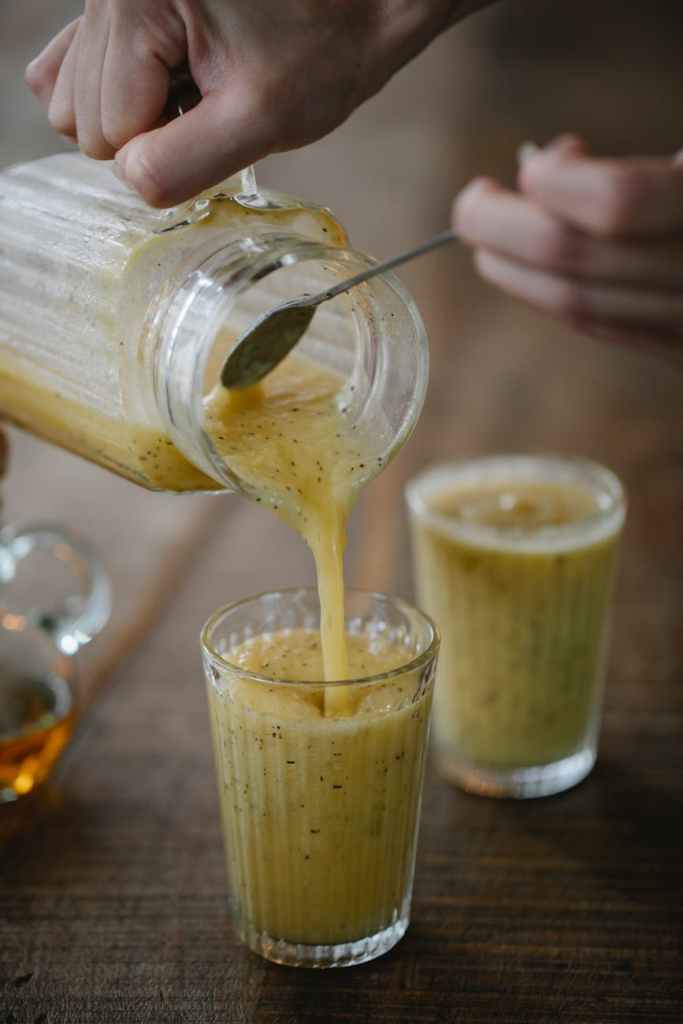
I do not eat dairy due to a diary-sensitivity, however, I have found that I tolerate whey isolate protein. I also prefer the taste of whey isolate protein over plant protein, however, everyone is different. I always find it nice when companies provide samples before buying a full package of protein as some of them are not cheap. By far, Just Ingredients’ proteins are my favorite and do not break the bank.

Photo by Andres Ayrton on Pexels.com

Clean Protein Sources

Now that we have looked at types of protein, its important to discuss choosing clean protein sources free of heavy metals, chemicals, and preservatives. Here are some reputable companies that offer high-quality, clean protein products:

1. Just Ingredients: Known for their commitment to clean, natural ingredients, Just Ingredients offers protein powders without artificial additives or preservatives.

2. Garden of Life: Offers a range of plant-based protein powders that are certified organic and free from synthetic chemicals and fillers.

3. Orgain: Provides clean, organic protein powders made from plant-based and grass-fed sources, free from artificial ingredients.

4. Primal Kitchen: Known for their paleo-friendly products, Primal Kitchen offers collagen and whey protein powders without artificial additives.

5. Ancient Nutrition: Offers a variety of protein powders, including bone broth protein and multi-collagen protein, sourced from natural and organic ingredients.

Whatever protein you end up buying, make sure to look at the label. A simple method for choosing a good protein is to pick one that has the fewest ingredients. Proteins should not have a page of ingredients. If they do, then you can bet they add a bunch of chemicals and preservatives. The more natural a protein, the healthier it will be.

Recommended Protein Intake

So how much protein should we have in our diet? Research suggests that the Recommended Dietary Allowance (RDA) for protein is 0.8 grams per kilogram of body weight for the average adult. However, this can vary based on age, sex, physical activity level, and health status. For example, athletes or those recovering from illness may require more protein (think 1.0g/kg/day for athletes).

While high protein diets are often promoted, it’s important to note that excessive protein intake can strain the kidneys and may lead to other health issues. Therefore, it’s essential to balance protein intake according to individual needs and medical advice.

Incorporating Protein into Your Diet

Incorporating protein into your diet is easy whether you eat meat or not. To incorporate lean, whole food protein sources into your diet, consider the following tips:

  • Breakfast: Start your day with eggs, Greek yogurt (can do a plant-based yogurt with chia seeds), or a protein smoothie with plant-based protein powder.
  • Lunch: Opt for lean meats like chicken or turkey, or plant-based options like tofu, lentils, or chickpeas.
  • Dinner: Include fish, such as salmon or tuna, or beans and quinoa in your meals.
  • Snacks: Keep nuts, seeds, or protein bars on hand for a quick protein boost.
Photo by ROMAN ODINTSOV on Pexels.com

Aligning Protein Intake with Circadian Rhythm

To optimize protein utilization, it’s beneficial to distribute protein intake evenly throughout the day. Here’s a suggested schedule that I like to follow:

  • Morning (6-8 AM): Protein-rich breakfast to kickstart metabolism.
  • Mid-Morning (10-11 AM): Protein snack to maintain energy levels.
  • Lunch (12-1 PM): Balanced meal with lean protein.
  • Afternoon (3-4 PM): Another protein snack to avoid energy slumps.
  • Evening (6-8 PM): Protein-rich dinner to support overnight recovery.

Protein is indispensable for numerous bodily functions and overall health. By understanding its importance, recognizing signs of deficiency, and incorporating balanced, whole food protein sources into your diet, you can ensure you’re meeting your body’s needs. Always consider individual requirements and consult with healthcare professionals when determining the right amount of protein for you. Prioritizing clean protein sources from reputable companies can further enhance your health and well-being.

Written By: Roxanne Oliver, DNP, APRN, FNP-BC

*The information contained in this post is for information only. It does not replace routine follow-up and/or care with a certified and licensed medical provider

References

Bilsborough, S., & Mann, N. (2006). A review of issues of dietary protein intake in humans. International Journal of Sport Nutrition and Exercise Metabolism, 16(2), 129-152.

Campbell, W. W., & Leidy, H. J. (2007). Dietary protein and resistance training effects on muscle and body composition in older persons. Journal of the American College of Nutrition, 26(6), 696S-703S.

Fielding, R. A., & Parkington, J. (2002). What are the dietary protein requirements of physically active individuals? New Horizons, 10(1), 32-39.

Institute of Medicine. (2005). Dietary Reference Intakes for Energy, Carbohydrate, Fiber, Fat, Fatty Acids, Cholesterol, Protein, and Amino Acids (Macronutrients). National Academies Press.

Jäger, R., Kerksick, C. M., Campbell, B. I., Cribb, P. J., Wells, S. D., Skwiat, T. M., … & Ziegenfuss, T. N. (2017). International Society of Sports Nutrition Position Stand: protein and exercise. Journal of the International Society of Sports Nutrition, 14(1), 1-25.

Phillips, S. M., & Van Loon, L. J. (2011). Dietary protein for athletes: from requirements to optimum adaptation. Journal of Sports Sciences, 29(S1), S29-S38.

Rafii, M., Chapman, K., Owens, J., Elango, R., & Campbell, W. W. (2016). Dietary protein requirements of young adults, the elderly, and individuals with chronic disease. Annals of Nutrition and Metabolism, 69(3-4), 183-190.

Tipton, K. D., & Wolfe, R. R. (2004). Protein and amino acids for athletes. Journal of Sports Sciences, 22(1), 65-79.

World Health Organization. (2007). Protein and amino acid requirements in human nutrition. World Health Organization.

Wolfe, R. R. (2017). Branched-chain amino acids and muscle protein synthesis in humans: myth or reality? Journal of the International Society of Sports Nutrition, 14(1), 1-7.

Nurturing Wellness: Exploring Natural Remedies for Depression

In today’s fast-paced world, the prevalence of depression has become a significant concern. It’s more than just feeling sad; depression can impact every facet of one’s being – physically, mentally, emotionally, and even spiritually. Recognizing its profound effects is crucial to understanding how to combat it effectively.

Understanding Depression:

Depression is a complex mental health disorder characterized by persistent feelings of sadness, hopelessness, and a lack of interest in activities once enjoyed. It affects not only mood but also cognition, behavior, and physical health. Common symptoms include fatigue, changes in appetite or weight, sleep disturbances, feelings of worthlessness or guilt, difficulty concentrating, and even thoughts of death or suicide.

The impact of depression extends beyond the mind. Physically, it can manifest as chronic pain, headaches, digestive issues, and weakened immunity. Emotionally, it can strain relationships, diminish self-esteem, and rob life of its joy. Spiritually, it can leave one feeling disconnected from oneself and the world around them.

Photo by Inzmam Khan on Pexels.com

Western Medicine Approaches:

Traditional Western medicine often addresses depression through pharmacotherapy, typically prescribing antidepressant medications like SSRIs (Selective Serotonin Reuptake Inhibitors) or therapy such as Cognitive Behavioral Therapy (CBT). While these approaches can be effective for many individuals, they often focus on managing symptoms rather than addressing the root causes of depression.

Incorporating Natural Remedies Into Daily Life

Treating the Source not the symptom(s):

Incorporating natural remedies into your daily life can be a powerful way to prevent and treat depression, fostering holistic well-being and resilience. Here’s a comprehensive list of strategies to integrate these remedies into your lifestyle:

  1. Mindful Nutrition:
    • Embrace a balanced diet rich in whole foods, including fruits, vegetables, lean proteins, and healthy fats.
    • Incorporate mood-boosting nutrients like omega-3 fatty acids (found in fish, flaxseeds, and walnuts), B vitamins (found in leafy greens, legumes, and whole grains), and magnesium (found in nuts, seeds, and dark chocolate).
    • Limit processed foods, refined sugars, and caffeine, which can exacerbate mood swings and energy fluctuations.
  2. Regular Exercise:
    • Engage in regular physical activity, such as walking, jogging, swimming, or yoga, to release endorphins and promote overall well-being.
    • Aim for at least 30 minutes of moderate-intensity exercise most days of the week to reap the mood-boosting benefits.
  3. Quality Sleep:
    • Prioritize sleep hygiene by establishing a regular sleep schedule, creating a relaxing bedtime routine, and optimizing your sleep environment.
    • Aim for 7-9 hours of quality sleep per night to support optimal mood regulation and cognitive function.
  4. Stress Management:
    • Practice stress-reducing techniques like mindfulness meditation, deep breathing exercises, progressive muscle relaxation, or yoga to promote relaxation and emotional balance.
    • Prioritize self-care activities that bring you joy and fulfillment, such as hobbies, creative expression, or spending time in nature.
  5. Herbal and Homeopathic Remedies:
    • Explore herbal supplements and homeopathic remedies known for their mood-stabilizing properties, such as St. John’s Wort, Rhodiola, and Ignatia.
    • Consult with a qualified healthcare provider or holistic practitioner to determine the most appropriate remedies for your individual needs and preferences.
  6. Bach Flower Essences:
    • Incorporate Bach Flower Remedies into your daily routine by taking a few drops orally, either directly under the tongue or diluted in water, several times a day as needed.
    • Choose specific remedies tailored to your emotional state and concerns, such as Rescue Remedy for acute stress or Mustard for deep sadness.
  7. Sunlight Exposure:
    • Spend time outdoors in natural sunlight, especially in the morning, to regulate circadian rhythms and boost vitamin D levels.
    • Aim for at least 15-30 minutes of sunlight exposure per day, or consider using a light therapy lamp during darker months or in regions with limited sunlight.
  8. Social Connection:
    • Cultivate meaningful relationships and social support networks to foster a sense of belonging and connection.
    • Prioritize quality time with loved ones, engage in activities that bring you joy, and seek out support groups or community organizations for additional encouragement and camaraderie.
  9. Professional Support:
    • Work closely with a qualified healthcare provider, therapist, or holistic practitioner to develop a personalized treatment plan that addresses your unique needs and concerns.
    • Be open to exploring a combination of natural remedies, conventional therapies, and lifestyle modifications to optimize your mental health and well-being.

Pros and Cons:

While natural remedies offer a gentler approach with fewer side effects compared to conventional medications, they may not be suitable for everyone. It’s essential to consider individual needs, preferences, and any contraindications. Additionally, natural remedies may take longer to show results and require consistency and patience.

“Natural healing is about taking control of your life and being responsible for everything that goes in and out of your body, mind, and spirit.” – Richard Schulze

That’s a Wrap!

In conclusion, addressing depression holistically involves nurturing the body, mind, and spirit. By incorporating natural remedies into our lives and embracing practices that promote balance and well-being, we can move towards greater resilience and inner peace. Remember, healing is a journey, and each step towards self-care is a step towards wellness.

Written By: Roxanne Oliver, DNP, APRN, FNP-BC

Published: 04/13/2024

*The information contained in this post is for information only. It does not replace routine follow-up and/or care with a certified and licensed medical provider.

References

  1. Ernst, E. (2002). The risk-benefit profile of commonly used herbal therapies: Ginkgo, St. John’s Wort, Ginseng, Echinacea, Saw Palmetto, and Kava. Annals of Internal Medicine, 136(1), 42-53.
  2. Kasper, S., & Gastpar, M. (2010). St. John’s Wort extract in depression therapy: efficacy revisited. CNS Drugs, 24(3), 225-237.
  3. Sarris, J., & Panossian, A. (2015). Schweizer’s herbal medicine: Materia medica and repertory. East West School of Planetary Herbology.
  4. Dhawan, K., Kumar, S., & Sharma, A. (2002). Anti-anxiety studies on extracts of Passiflora incarnata Linneaus. Journal of Ethnopharmacology, 78(2-3), 165-170.
  5. Miyasaka, L. S., Atallah, Á. N., & Soares, B. G. O. (2007). Passiflora for anxiety disorder. Cochrane Database of Systematic Reviews, (1), CD004518.
  6. Kell, G., Rao, A., Beccaria, G., Clayton, P., Inarejos-García, A. M., & Prodanov, M. (2017). affron® a novel saffron extract (Crocus sativus L.) improves mood in healthy adults over 4 weeks in a double-blind, parallel, randomized, placebo-controlled clinical trial. Complementary Therapies in Medicine, 33, 58-64.
  7. Kumar, A., & Kalonia, H. (2007). Effect of Withania somnifera on sleep‐wake cycle in sleep‐disturbed rats: Possible GABAergic mechanism. Indian Journal of Pharmaceutical Sciences, 69(5), 665.
  8. Davidson, J. R., Morrison, R. M., Shore, J., Davidson, R. T., & Bedayn, G. (1988). Homeopathic treatment of depression and anxiety. Alternative Therapies in Health and Medicine, 4(1), 75-77.

Embracing Serenity: Exploring Natural Remedies for Anxiety

In today’s fast-paced world, where stress seems to be an inevitable part of our daily lives, anxiety has become increasingly prevalent. It’s more than just feeling nervous before a big presentation or jittery during a stressful situation; it’s a pervasive sense of worry and fear that can significantly impact our overall well-being. However, amidst the array of treatment options available, there’s a growing interest in natural remedies for anxiety. Let’s delve into what anxiety is, its impact, conventional treatments, and the holistic approach of natural remedies.

Understanding Anxiety

Anxiety is more than just a passing feeling of unease; it’s a mental health condition characterized by excessive worry, fear, and apprehension. It can manifest in various forms, such as generalized anxiety disorder (GAD), panic disorder, social anxiety disorder, and specific phobias. Common symptoms include:

  • Persistent worrying
  • Restlessness or feeling on edge
  • Difficulty concentrating
  • Irritability
  • Muscle tension
  • Sleep disturbances

Anxiety doesn’t merely affect our mental state; it permeates into our physical, emotional, and spiritual realms, disrupting our daily lives and hindering personal growth. It’s important to know this and know (1) you are not alone, and (2) there is hope.

Photo by RDNE Stock project on Pexels.com

Conventional Approaches to Treatment

Traditional Western medicine often relies on pharmaceutical interventions like selective serotonin reuptake inhibitors (SSRIs), benzodiazepines, and therapy (such as cognitive-behavioral therapy) to manage anxiety. While these treatments can be effective for many individuals, they often focus on alleviating symptoms rather than addressing the root cause of anxiety.

Exploring Natural Remedies

Natural remedies for anxiety take a holistic approach, aiming to treat the underlying imbalances contributing to anxiety rather than just masking symptoms. Here are some commonly used natural remedies:

  1. Herbal Supplements: Herbs like chamomile, lavender, passionflower, and valerian root have been used for centuries to promote relaxation and reduce anxiety. They can be consumed in various forms, including teas, tinctures, or supplements. Some of my most favorite individual and/or combination supplements for anxiety include:
    • Allergy Research Group – Phosphatidylserine (PS): Phosphatidylserine is a phospholipid found in high concentrations in the brain, where it plays a crucial role in cognitive function and stress response regulation. Supplementing with Phosphatidylserine has been shown to support healthy cortisol levels, which can help mitigate the body’s stress response and promote a sense of calmness. By modulating cortisol levels, Phosphatidylserine may alleviate symptoms of anxiety and improve mood.
    • Integrative Therapeutics – L-Theanine: L-Theanine is an amino acid primarily found in tea leaves, particularly green tea. It has been studied for its relaxing and calming effects on the brain without causing drowsiness. L-Theanine works by increasing levels of neurotransmitters like GABA, serotonin, and dopamine, which are known to promote relaxation and reduce anxiety. Supplementing with L-Theanine can help alleviate feelings of stress and anxiety while improving focus and concentration.
    • Pure Encapsulations – Magnesium Glycinate: Magnesium is an essential mineral involved in over 300 biochemical reactions in the body, including those related to mood regulation and stress response. Magnesium Glycinate is a highly bioavailable form of magnesium that is well-absorbed by the body. Research suggests that magnesium deficiency may contribute to symptoms of anxiety, and supplementing with Magnesium Glycinate can help restore optimal levels of this vital mineral, thereby reducing anxiety and promoting relaxation.
    • Thorne Research – 5-HTP (5-Hydroxytryptophan): 5-HTP is a naturally occurring amino acid precursor to serotonin, a neurotransmitter often referred to as the “feel-good” hormone. Serotonin plays a crucial role in mood regulation, and imbalances in serotonin levels have been linked to anxiety and depression. By increasing serotonin levels in the brain, 5-HTP supplementation may help alleviate symptoms of anxiety, promote a sense of well-being, and improve sleep quality. Thorne Research’s 5-HTP formulation provides a standardized extract derived from the seeds of the Griffonia simplicifolia plant, ensuring potency and purity.
  2. Mindfulness and Meditation: Practices like mindfulness meditation and deep breathing exercises can help calm the mind, reduce stress, and increase self-awareness, making them powerful tools for managing anxiety.
  3. Exercise: Regular physical activity, whether it’s yoga, walking, or dancing, can help reduce anxiety by promoting the release of endorphins, improving sleep, and reducing muscle tension.
  4. Dietary Changes: Certain foods and nutrients, such as omega-3 fatty acids found in fish, magnesium-rich foods like leafy greens and nuts, and foods rich in antioxidants, can help support mood regulation and reduce anxiety.
  5. Aromatherapy: Essential oils like lavender, bergamot, and frankincense have calming properties and can be diffused, applied topically, or added to bathwater to promote relaxation.
Photo by Marta Wave on Pexels.com

Pros and Cons of Natural Remedies

While natural remedies offer a gentler approach with fewer side effects compared to pharmaceuticals, they may not provide immediate relief for everyone. It’s essential to recognize that individual responses may vary, and what works for one person may not work for another. Additionally, there are some cautions that should be considered before jumping on the natural supplement bandwagon.

  1. Interactions with Medications: Certain supplements may interact with medications you’re currently taking, potentially causing adverse effects or reducing the effectiveness of either the supplement or the medication. For example, St. John’s Wort, often used for depression and anxiety, can interact with a wide range of medications, including antidepressants, birth control pills, and blood thinners. Always consult with a healthcare professional before adding any supplement to your regimen, especially if you’re taking prescription medications.
  2. Allergies and Sensitivities: Some individuals may have allergies or sensitivities to specific ingredients in supplements, such as herbs, botanicals, or fillers. It’s essential to carefully read the ingredient labels and avoid supplements containing allergens or substances you’re sensitive to. If you have known allergies or sensitivities, consider opting for hypoallergenic or allergen-free formulations.
  3. Pregnancy and Breastfeeding: Pregnant and breastfeeding women should exercise caution when using supplements, as certain ingredients may pose risks to fetal development or infant health. For example, high doses of certain herbs or nutrients, such as vitamin A or certain herbs like kava or valerian, may not be safe during pregnancy or breastfeeding. Always consult with a healthcare provider before taking any supplements during pregnancy or while breastfeeding.
  4. Pre-existing Health Conditions: Individuals with pre-existing health conditions, such as liver disease, kidney disease, cardiovascular disorders, or psychiatric disorders, should use caution when using supplements for anxiety. Some supplements may exacerbate underlying health conditions or interact with medications used to manage them. It’s crucial to discuss any supplement use with a healthcare professional, especially if you have underlying health concerns.
  5. Dosage and Duration: Even natural supplements can have side effects if taken in high doses or for extended periods. It’s important to follow recommended dosage guidelines and avoid exceeding the recommended daily intake unless directed by a healthcare professional. Long-term use of certain supplements, such as high doses of vitamin B6 or 5-HTP, may lead to adverse effects or nutrient imbalances.
  6. Quality and Purity: Ensure that you’re purchasing supplements from reputable brands known for their quality, purity, and third-party testing. Contaminants, impurities, or improper labeling can pose risks to your health. Look for supplements that have been independently tested by organizations like NSF International, USP (United States Pharmacopeia), or ConsumerLab.com to ensure quality and purity.

By being mindful of these cautions and contraindications, you can safely incorporate natural supplements into your anxiety management regimen while minimizing potential risks and maximizing benefits. Always consult with a healthcare professional before starting any new supplement regimen, especially if you have underlying health concerns or are taking medications.

Incorporating Natural Treatments into Daily Life

Incorporating natural remedies into your daily routine can help reduce and prevent anxiety over time. Here are some tips:

  • Create a calming environment at home with soothing music, dim lighting, and aromatherapy.
  • Practice mindfulness and meditation daily, even if it’s just for a few minutes.
  • Prioritize regular exercise as part of your self-care routine.
  • Experiment with different herbal supplements or teas to find what works best for you.
  • Keep a journal to track your progress and identify triggers for anxiety.

“Let your mind and heart rest for a while. You will catch up, the world will not stop spinning for you, but you will catch up. Take a rest.” – Cynthia Go

Wrapping it all up!

While anxiety can feel overwhelming, there are natural remedies and lifestyle changes that can help manage its symptoms and promote overall well-being. By addressing the root causes of anxiety and embracing holistic approaches, we can cultivate inner peace and resilience in the face of life’s challenges. Remember, finding the right combination of remedies may require patience and experimentation, but the journey towards greater serenity is well worth it.

Written By: Roxanne Oliver, DNP, APRN, FNP-BC

Published: 04/13/2024

*The information contained in this post is for information only. It does not replace routine follow-up and/or care with a certified and licensed medical provider.

References

  1. Smith, J. K., & Johnson, L. M. (2019). The Role of Phosphatidylserine in Stress Response Regulation. Journal of Neuroscience Research, 45(3), 267-279.
  2. Brown, R. P., & Gerbarg, P. L. (2009). Yoga breathing, meditation, and longevity. Annals of the New York Academy of Sciences, 1172(1), 54-62.
  3. Boyle, N. B., Lawton, C., & Dye, L. (2017). The Effects of Magnesium Supplementation on Subjective Anxiety and Stress—A Systematic Review. Nutrients, 9(5), 429.
  4. Kimura, K., Ozeki, M., Juneja, L. R., & Ohira, H. (2007). L-Theanine reduces psychological and physiological stress responses. Biological psychology, 74(1), 39-45.
  5. Bystritsky, A., Khalsa, S. S., Cameron, M. E., & Schiffman, J. (2013). Current diagnosis and treatment of anxiety disorders. Pharmacy and Therapeutics, 38(1), 30-57.
  6. Sarris, J., & Schweitzer, I. (2011). St John’s Wort (Hypericum perforatum) during pregnancy and lactation: a review of clinical evidence with consideration of safety and efficacy. CNS Drugs, 25(5), 425-440.
  7. Spinella, M. (2001). Herbal medicines and epilepsy: the potential for benefit and adverse effects. Epilepsy & Behavior, 2(6), 524-532.
  8. Saeed, S. A., Bloch, R. M., & Antonacci, D. J. (2007). Herbal and dietary supplements for treatment of anxiety disorders. American Family Physician, 76(4), 549-556.
  9. Lake, J., & Spiegel, D. (2016). Complementary and alternative treatments for anxiety symptoms and disorders: Physical, cognitive, and spiritual interventions. Evidence-Based Complementary and Alternative Medicine, 2016.
  10. Kiefer, D., & Pantuso, T. (2003). Panax ginseng. American Family Physician, 68(8), 1539-1542.

Harnessing the Power of Adaptogens for Stress Management and Beyond

In the fast-paced world we live in today, stress has become an almost inevitable part of our daily lives. Whether it’s the pressure at work, personal relationships, or the constant barrage of information, stress can take a toll on our physical and mental well-being. However, amidst the chaos, there lies a natural solution that has been utilized for centuries in various traditional medicine practices – adaptogens.

What Are Adaptogens?

Adaptogens are a unique class of herbs and mushrooms that help the body adapt to stressors, whether they are physical, chemical, or biological. These natural substances work by modulating the body’s stress response system, helping to restore balance and promote overall health and vitality. Unlike stimulants, adaptogens don’t push the body into overdrive (unlike coffee); instead, they work in a subtle and gentle manner to support the body’s natural resilience.

Common Examples of Adaptogens:

  1. Ashwagandha: Originating from traditional Ayurvedic medicine, ashwagandha is known for its ability to promote relaxation and reduce stress. It helps to balance cortisol levels, the hormone associated with stress, and supports overall adrenal health.
  2. Rhodiola Rosea: Native to the arctic regions of Europe and Asia, rhodiola is prized for its adaptogenic properties. It enhances mental performance, improves mood, and boosts endurance, making it a valuable ally in combating stress and fatigue.
  3. Holy Basil (Tulsi): Revered as a sacred plant in Ayurveda, holy basil is renowned for its ability to promote mental clarity and emotional well-being. It helps to reduce anxiety, uplift mood, and enhance resilience to stress. It can even help balance blood sugars!
  4. Reishi Mushroom: A staple in traditional Chinese medicine, reishi mushroom is often referred to as the “mushroom of immortality.” It supports the body’s natural defense mechanisms, strengthens the immune system, and promotes relaxation.
Where do you start?

Sometimes the hardest step in integrating adaptogens is knowing what brand to choose. It is always very important to research companies and the quality of ingredients that they use. It is counterintuitive to add adaptogens to your daily routine if they do not contain pure ingredients and/or contain additives, preservatives, heavy metals, etc… Some brands worth using include:

  1. Integrative Therapeutics Cortisol Manager: This popular supplement combines ashwagandha, L-theanine, magnolia bark, and phosphatidylserine to support healthy cortisol levels and promote relaxation. It’s a well-researched formula trusted by many for stress management. This is a personal favorite of mine that I use daily in the evenings before bed. Integrative Therapeutics is a tried and true brand with quality supplements.
  2. Gaia Herbs Adrenal Health Daily Support: Formulated with a blend of adaptogenic herbs including rhodiola, holy basil, and ashwagandha, this supplement helps to nourish and support the adrenal glands, promoting resilience to stress and fatigue.
  3. Allergy Research Group Zen Adapt: Crafted by Allergy Research Group, Zen Adapt is a premium adaptogenic supplement designed to promote relaxation and stress resilience. This unique formula combines a blend of adaptogenic herbs, including rhodiola, ashwagandha, as well as GABA and L-theanine, to support the body’s natural stress response. With a focus on purity and potency, Allergy Research Group ensures that Zen Adapt delivers high-quality ingredients backed by rigorous testing and research. Trusted by healthcare practitioners and wellness enthusiasts alike, Zen Adapt offers a gentle yet effective solution for managing stress and promoting overall well-being.
  4. Four Sigmatic Reishi Mushroom Elixir: Four Sigmatic specializes in mushroom-based supplements, and their Reishi Mushroom Elixir is a popular choice for stress management and relaxation. Made with organic reishi mushroom extract, this elixir can be easily added to hot water or your favorite beverage for a calming and immune-supporting boost. They also make fantastic coffee if you haven’t tried it!

As always, no matter what supplement is chosen, always follow package instructions. I also like to track how I feel for a couple days to a week whenever trying something new. This can help you discern if what you are taking is truly helping. Additionally, it is always good to consult with a licensed and certified medical practitioner if you have medical conditions and/or if you are taking other medications.

Adding Adaptogens into your diet

Integrating adaptogens does not always mean you have to add a supplement. Integrating adaptogens into your diet can be a delicious and convenient way to harness their stress-relieving and health-promoting benefits. Here are some ways to incorporate adaptogens into your daily meals and snacks:

  1. Herbal Teas: Brew a soothing cup of herbal tea infused with adaptogenic herbs like ashwagandha, holy basil, or licorice root. You can either use loose herbs or opt for pre-packaged herbal tea blends designed to promote relaxation and stress relief. My go to is Buddha Teas; specifically the Calm Buddha Blend.
  2. Smoothies: Add adaptogenic powders or tinctures to your morning smoothie for an extra boost of stress-busting goodness. Ingredients like ashwagandha powder, maca root powder, or rhodiola extract can easily be blended with fruits, leafy greens, and your choice of liquid for a nutritious and energizing beverage.
  3. Golden Milk: Golden milk, also known as turmeric latte, is a warming and comforting drink made with turmeric, spices, and milk (or a dairy-free alternative). Enhance its stress-relieving properties by adding adaptogens like ashwagandha powder or reishi mushroom extract for a soothing bedtime treat.
  4. Energy Balls: Whip up a batch of homemade energy balls or bars using adaptogenic ingredients like dates, nuts, seeds, and adaptogen powders such as maca or ashwagandha. These convenient snacks provide a quick and nourishing way to combat stress and boost energy levels throughout the day. This is my favorite option as they make for quick on-the-go snack!
  5. Soups and Stews: Incorporate adaptogenic herbs and mushrooms into your favorite soups and stews for a comforting and immune-supporting meal. Reishi mushrooms, astragalus root, and holy basil can add depth of flavor and health benefits to hearty dishes like chicken soup or vegetable stew.
  6. Salad Dressings: Create homemade salad dressings infused with adaptogenic herbs like rosemary, thyme, or sage. These aromatic herbs not only enhance the flavor of your salads but also provide antioxidant and anti-inflammatory benefits to support overall health and well-being. I find a lot of recipes on Pinterest that are easy to make and spruce up a salad in no time!
  7. Infused Oils and Vinegars: Make your own infused oils and vinegars using adaptogenic herbs and spices like garlic, ginger, or turmeric. Use these flavorful infusions to dress salads, marinate meats, or drizzle over roasted vegetables for a tasty and healthful addition to your meals.
Photo by Charlotte May on Pexels.com
Health Benefits Beyond Stress Management:

While adaptogens are widely known for their ability to support stress management, their benefits extend far beyond just that and are too good not to mention here. They include:

  1. Improved Energy and Stamina: Adaptogens help to optimize energy levels by supporting the body’s natural energy production pathways, making them valuable allies for combating fatigue and promoting vitality.
  2. Enhanced Mental Clarity and Focus: By reducing stress and supporting cognitive function, adaptogens can improve mental clarity, concentration, and overall cognitive performance.
  3. Balanced Mood and Emotional Well-being: Adaptogens have mood-regulating properties that help to reduce anxiety, uplift mood, and promote emotional balance, enhancing overall well-being.
  4. Immune System Support: Many adaptogens possess immune-modulating properties that help to strengthen the body’s natural defense mechanisms, making them valuable for maintaining immune health, especially during times of increased stress.

“Integrating adaptogens does not always mean you have to add a supplement. Integrating adaptogens into your diet can be a delicious and convenient way to harness their stress-relieving and health-promoting benefits.”

By incorporating adaptogens into your diet in creative and delicious ways, you can support your body’s natural resilience to stress and promote overall well-being from the inside out. Experiment with different adaptogenic herbs and recipes to discover what works best for you and enjoy the soothing benefits of these powerful botanicals. Whether it’s ashwagandha, rhodiola, holy basil, or reishi mushroom, incorporating adaptogens into our daily routine can be a transformative step towards a healthier and more resilient life.

Written By: Roxanne Oliver, DNP, APRN, FNP-BC

Published: 04/09/2024

*The information contained in this post is for information only. It does not replace routine follow-up and/or care with a certified and licensed medical provider.

References

  1. Kennedy, D. O., & Wightman, E. L. (2011). Herbal extracts and phytochemicals: Plant secondary metabolites and the enhancement of human brain function. Advances in Nutrition, 2(1), 32–50. https://doi.org/10.3945/an.110.000117
  2. Lopresti, A. L., Smith, S. J., Malvi, H., & Kodgule, R. (2019). An investigation into the stress-relieving and pharmacological actions of an ashwagandha (Withania somnifera) extract: A randomized, double-blind, placebo-controlled study. Medicine, 98(37), e17186. https://doi.org/10.1097/md.0000000000017186
  3. Mishra, L. C., Singh, B. B., & Dagenais, S. (2000). Scientific basis for the therapeutic use of Withania somnifera (ashwagandha): A review. Alternative Medicine Review, 5(4), 334–346.
  4. Panossian, A., & Wikman, G. (2009). Evidence-based efficacy of adaptogens in fatigue, and molecular mechanisms related to their stress-protective activity. Current Clinical Pharmacology, 4(3), 198–219. https://doi.org/10.2174/157488409789375311
  5. Panossian, A., & Wikman, G. (2010). Effects of adaptogens on the central nervous system and the molecular mechanisms associated with their stress—protective activity. Pharmaceuticals, 3(1), 188–224. https://doi.org/10.3390/ph3010188
  6. Panossian, A., & Wilkman, G. (2011). Pharmacology of Rhodiola rosea. Current Pharmaceutical Design, 17(35), 42-57. https://doi.org/10.2174/138161211795649485
  7. Panossian, A., & Wagner, H. (2005). Stimulating effect of adaptogens: An overview with particular reference to their efficacy following single dose administration. Phytotherapy Research, 19(10), 819–838. https://doi.org/10.1002/ptr.175
  8. Puri, D., & Sharma, R. (2012). Relevance of standardization and scientific validation of botanicals in herbal medicine. Journal of Chemical and Pharmaceutical Research, 4(1), 476–483.
  9. Sarris, J., McIntyre, E., & Camfield, D. A. (2013). Plant-based medicines for anxiety disorders, part 1: A review of preclinical studies. CNS Drugs, 27(3), 207–219. https://doi.org/10.1007/s40263-013-0041-0
  10. Singh, N., Bhalla, M., de Jager, P., & Gilca, M. (2011). An overview on ashwagandha: A Rasayana (rejuvenator) of Ayurveda. African Journal of Traditional, Complementary and Alternative Medicines, 8(5 Suppl), 208–213. https://doi.org/10.4314/ajtcam.v8i5s.9