
When was the last time you did something simply because you enjoyed it? Not because it improved your résumé, made money, burned calories, helped your children, checked something off your list, or created something you could post online, but simply because it was fun. For many adults, that question is surprisingly difficult to answer. Somewhere between careers, families, household responsibilities, and the endless pursuit of productivity, many of us stopped making time for play.
We often talk about healthy living in terms of nutrition, exercise, sleep, laboratory values, supplements, and medical care. Those things certainly matter, but health also includes how we spend our time, manage stress, connect with other people, and experience enjoyment. Having a hobby may seem insignificant compared with other health behaviors, yet a growing body of research suggests that leisure activities can support psychological well-being and may contribute to healthier aging. Perhaps doing something that accomplishes absolutely nothing other than bringing you joy is not as unproductive as we have been led to believe.
Adults Need Play Too
Children are naturally encouraged to play, create, explore, and develop interests simply because they enjoy them. Adults, however, are often expected to turn nearly everything into something productive. If we enjoy photography, someone suggests starting a photography business; if we enjoy baking, someone asks whether we sell our food; and if we start running, we may immediately begin training for a race. We have become very good at turning recreation into another opportunity for achievement.
There is nothing wrong with setting goals or earning income from something you enjoy, but a hobby does not need to justify the time it occupies. Leisure activities can provide an opportunity to mentally disengage from our usual responsibilities and experience a different kind of challenge. They can allow us to be beginners, make mistakes, experiment, and enjoy a process without needing to perform. In a culture that constantly asks us what we accomplished today, hobbies give us permission to occasionally answer, “Nothing, and I enjoyed it.”
Hobbies May Support Psychological Well-Being
Research suggests that engaging in enjoyable leisure activities may have meaningful psychological benefits. In a study of 1,399 adults, Pressman et al. (2009) found that greater participation in enjoyable leisure activities was associated with better psychological and physical well-being. Participants who engaged more frequently in these activities reported greater positive affect, life satisfaction, and social support, as well as lower negative affect and depressive symptoms. Because the study was observational, it cannot prove that hobbies directly caused these outcomes, but the findings support the idea that enjoyable activities are associated with important aspects of well-being.
More recent international research has also examined hobbies in relation to healthy aging. Mak et al. (2023) analyzed data from more than 93,000 adults age 65 and older across 16 countries and found that having a hobby was associated with fewer depressive symptoms, better self-reported health, greater happiness, and higher life satisfaction. The researchers found these associations across multiple countries despite cultural differences in hobby participation. Again, observational research cannot establish cause and effect, but the consistency of the relationship is worth paying attention to.
Your Hobby Does Not Have to Be “Healthy”
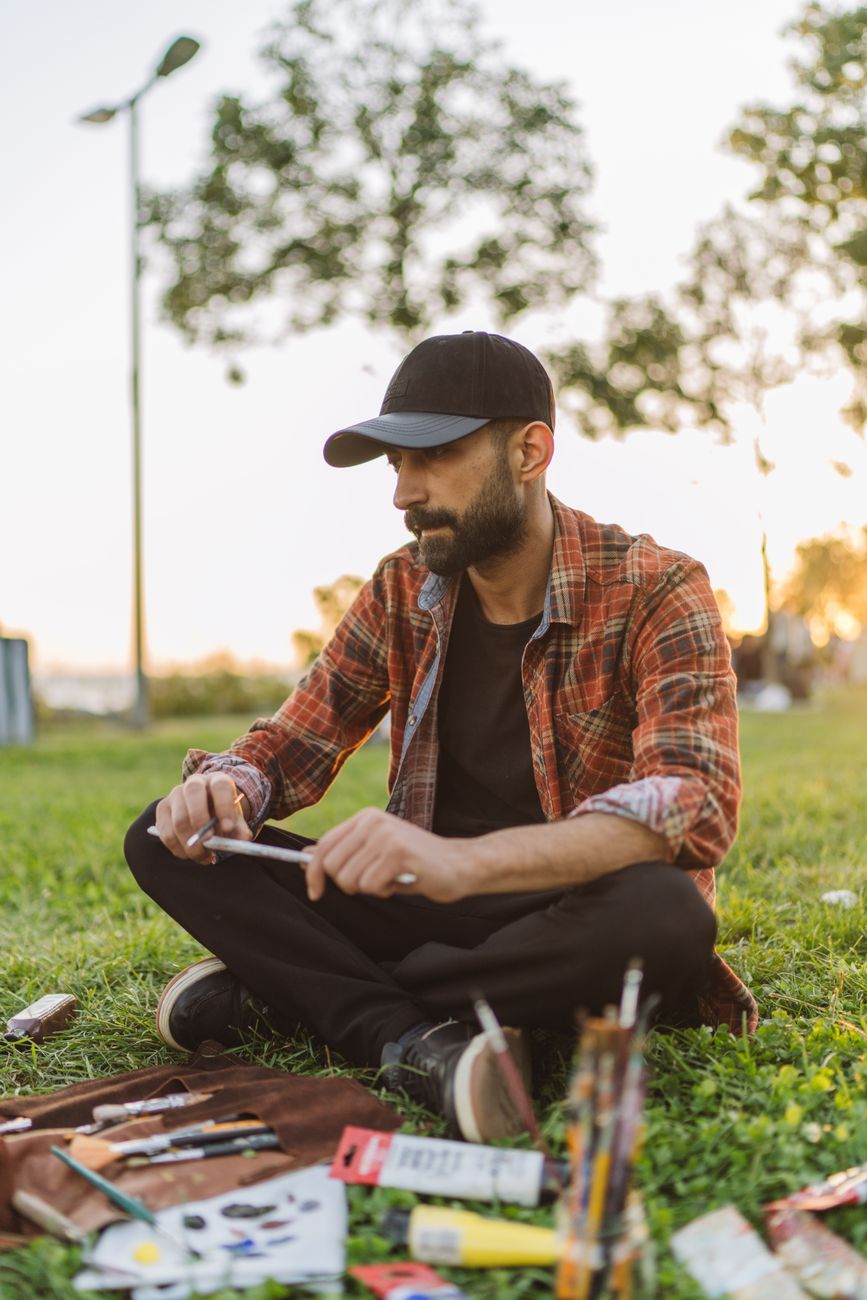
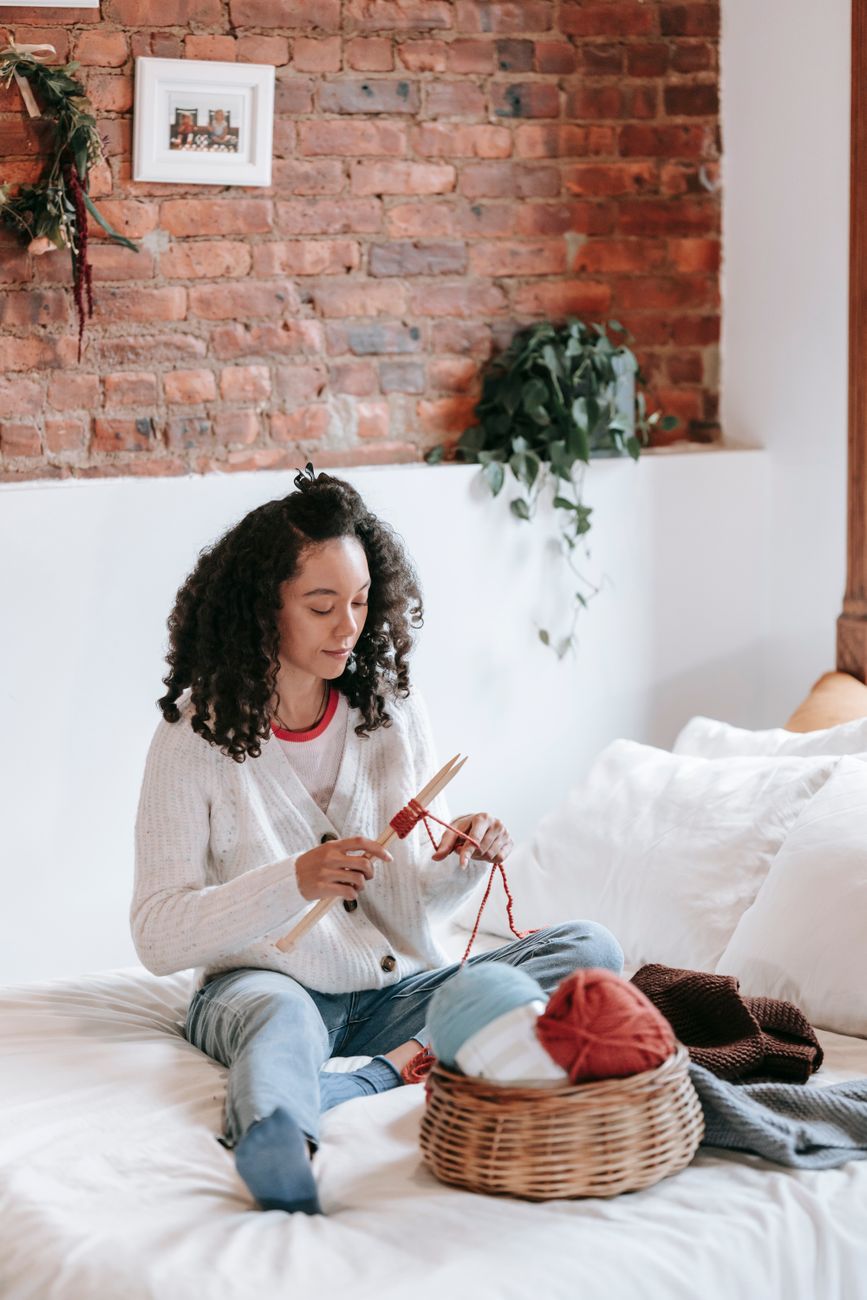
One of the easiest ways to ruin a hobby is to decide that it also needs to accomplish every other health goal. Hiking is wonderful physical activity, gardening gets you outside, and yoga can support mobility and stress management, but your hobby does not have to burn calories to be worthwhile. Reading fiction, painting, crocheting, playing an instrument, doing puzzles, collecting something, woodworking, photography, baking, fishing, or learning about a subject simply because it fascinates you can all qualify. The point is that you look forward to doing it.
Some hobbies naturally provide additional health benefits, and that is a wonderful bonus. Gardening, hiking, birdwatching, and outdoor photography can increase time spent in nature, while recreational sports can provide physical activity and social connection. Book clubs, choirs, crafting groups, and community activities may create opportunities to build relationships. However, you do not need to calculate the health return on investment of everything you enjoy.
Creativity Is Not Just for “Creative People”
Many adults stop participating in creative activities because they believe they are not artistic or talented enough. We compare our beginner photographs with professional photographers, our paintings with trained artists, or our homemade projects with carefully curated images online. When comparison enters the picture, an activity that was supposed to be enjoyable can quickly become another place where we feel inadequate. Creativity does not require talent, an audience, or a finished product worthy of displaying.
Creative activities have also been studied in relation to health and well-being. A World Health Organization scoping review examining more than 3,000 studies concluded that the arts may play a role in health promotion, disease prevention, and the management and treatment of illness across the lifespan (Fancourt & Finn, 2019). The report included activities ranging from music and visual arts to dance, literature, cultural activities, and creative engagement. This does not mean that painting or playing music replaces medical or mental health treatment, but it reinforces the idea that creative expression can be a meaningful component of a healthy life.
Hobbies Can Create Something We All Need: Connection
Loneliness and social isolation have increasingly become important public-health concerns. The U.S. Surgeon General’s advisory on social connection noted that social isolation and loneliness are associated with increased risks for several adverse health outcomes, including cardiovascular disease, dementia, depression, and premature death (Office of the Surgeon General, 2023). Social connection is not simply about being surrounded by people; it involves having meaningful relationships and a sense of belonging. Hobbies can provide a natural way to develop those connections without forcing social interaction for its own sake.
Joining a hiking group, taking a photography class, participating in a Bible study, playing pickleball, volunteering, attending a book club, joining a community garden, or learning a new skill can bring together people who already share an interest. That common interest gives people something to talk about and do together, which can make forming relationships feel more natural. Even hobbies primarily done alone can create connection when we share what we are learning with friends or family. Sometimes friendship develops more easily when connection is built around doing something together rather than simply trying to “be more social.”
Hobbies Give Our Brains Somewhere Else to Go
One of the reasons hobbies can feel restorative is that they redirect our attention. When you are trying to photograph a sunset, follow a hiking trail, learn a song, work on a puzzle, or grow something in your garden, your mind has something to focus on besides your workday, your inbox, or the problems waiting for you tomorrow. That does not mean hobbies eliminate stress or solve serious mental health concerns. They simply provide periods when stress does not have to occupy the center of our attention.
This idea also connects with the concept of psychological recovery from work. Research on recovery experiences has identified psychological detachment from work, relaxation, mastery, and control over leisure time as important dimensions of recovery outside of work (Sonnentag & Fritz, 2007). A hobby can potentially provide several of these experiences at once by helping us mentally disengage from work, choose how we spend our time, and develop a skill simply because we want to. For people whose careers involve constant responsibility, decision-making, caregiving, or emotional demands, that separation can be particularly valuable.
Be Willing to Be Bad at Something
Adults are often uncomfortable doing things they are not immediately good at. We are used to functioning in roles where we are expected to know what we are doing, so becoming a beginner again can feel surprisingly vulnerable. You may take blurry photographs, kill a few plants, hit the pickleball into the net, burn a loaf of bread, or discover that your first painting looks nothing like the picture in your head. None of those things mean you chose the wrong hobby.
In fact, learning is part of what makes a hobby interesting. You get to notice small improvements without those improvements determining your salary, job performance, or worth. There is freedom in doing something where the consequences of failure are incredibly small. Sometimes being terrible at something and laughing about it is exactly the kind of experience an overly productive adult needs.
Put Fun Back on the Calendar
One of the most common reasons adults give for not having hobbies is that they simply do not have enough time. That may be genuinely true during certain seasons of life, especially when caring for young children, working multiple jobs, or managing significant responsibilities. However, we also tend to protect time for whatever we decide is important, and hobbies often get pushed to the bottom of the list because they seem optional. The result can be weeks filled entirely with things we have to do and very few things we actually look forward to doing.
Your hobby does not need to consume an entire Saturday. You might spend 20 minutes reading before bed, take your camera on an evening walk, work in the garden for half an hour, try a new recipe on Sunday, or meet a friend for pickleball once a week. Scheduling enjoyable activities may sound strangely formal, but sometimes putting something on the calendar is the only way it survives everything else competing for our attention. Fun deserves a place on the schedule too.
You Are Allowed to Enjoy Your Life
Health is not simply the absence of disease, and a healthy lifestyle should not feel like an endless collection of rules designed to prevent something bad from happening. We exercise because movement supports our bodies, eat nutritious foods because they provide what our bodies need, and prioritize sleep because recovery matters. We should also make room for things that bring curiosity, creativity, laughter, connection, and enjoyment into our lives. Those experiences are part of wellness too.
If you cannot remember the last time you had a hobby, think back to what you enjoyed before adulthood became so busy. Maybe you loved reading, drawing, hiking, playing sports, taking pictures, fishing, gardening, playing music, or making things with your hands. You do not have to turn that interest into a business, become an expert, document it for social media, or even be particularly good at it. Sometimes the healthiest thing you can do is something you enjoy simply because you enjoy it.

Written By: Roxanne Oliver, DNP, APRN, FNP-BC
*The information contained in this post is for information only. It does not replace routine follow-up and/or care with a certified and licensed medical provider.
References
Fancourt, D., & Finn, S. (2019). What is the evidence on the role of the arts in improving health and well-being? A scoping review. World Health Organization Regional Office for Europe.
Mak, H. W., Noguchi, T., Bone, J. K., Wels, J., Gao, Q., Kondo, K., & Fancourt, D. (2023). Hobby engagement and mental wellbeing among people aged 65 years and older in 16 countries. Nature Medicine, 29, 2233–2240. https://doi.org/10.1038/s41591-023-02506-1
Office of the Surgeon General. (2023). Our epidemic of loneliness and isolation: The U.S. Surgeon General’s advisory on the healing effects of social connection and community. U.S. Department of Health and Human Services.
Pressman, S. D., Matthews, K. A., Cohen, S., Martire, L. M., Scheier, M., Baum, A., & Schulz, R. (2009). Association of enjoyable leisure activities with psychological and physical well-being. Psychosomatic Medicine, 71(7), 725–732. https://doi.org/10.1097/PSY.0b013e3181ad7978
Sonnentag, S., & Fritz, C. (2007). The Recovery Experience Questionnaire: Development and validation of a measure for assessing recuperation and unwinding from work. Journal of Occupational Health Psychology, 12(3), 204–221. https://doi.org/10.1037/1076-8998.12.3.204

